
The prostate gland is extremely important in the well-being of a man, particularly in the area of sexual functions. The biggest worry that comes up with prostate cancer is whether it could result in erectile dysfunction, commonly known as ED or impotence.
Erectile dysfunction is characterized by the lack of adequate erection for sexual intercourse. This problem can be caused by many issues, but prostate cancer and related issues are some of the leading causes of ED.
In this blog, we will look at the link between prostate cancer and erectile dysfunction, the reason why it occurs, and what the various treatment options are.
Understanding the Prostate and Its Role in Men’s Health
What is the Prostate Gland?
The prostate gland is small and walnut-shaped, situated below the bladder and in front of the rectum. It produces a nutritious fluid that helps in nourishment and the transport of sperm in the body.
This is an important organ for males' reproductive health. Since the prostate surrounds a portion of the urethra, its changes might affect the functions of the urinary and reproductive systems.
Common Prostate Conditions
There are various medical disorders associated with the prostate gland; however, prostatitis, benign prostatic hyperplasia, and prostate cancer are some of the major ones affecting men's health adversely. Therefore, it is important to understand each disease separately.
- Prostatitis refers to inflammation of the prostate gland, which can cause pelvic pain, difficulty urinating, and flu-like symptoms in some cases. The causes of this condition might be bacterial or non-infectious.
- Benign Prostatic Hyperplasia refers to the abnormal enlargement of the prostate, which takes place due to the accumulation of extra tissue. It affects mostly older patients and is not associated with cancer.
- The abnormal growth of prostate cells, causing prostate cancer, might not show early symptoms. Thus, screening becomes necessary. Prostate cancer is the deadliest of all the above-mentioned disorders and leads to problems such as erectile dysfunction.
What Is Erectile Dysfunction (ED)?
The term erectile dysfunction or ED, known commonly as impotence, refers to the inability to attain and sustain an erection strong enough to enable sexual intercourse. Erection depends on the proper interaction of the brain, hormones, nervous system, muscles, and the cardiovascular system. If one or more components do not function properly, ED ensues.
Sometimes ED may be an isolated event due to fatigue or other factors, but it may also occur consistently over time. While sporadic erection problems are considered normal, recurrent ED may be a sign of another health concern.
Important Aspects of ED You Should Know
- Not an age-related problem: Despite being more prevalent among older males, ED affects men regardless of age.
- A symptom rather than a disease: ED is associated with many other disorders, including cardiac problems, diabetes, hormonal deficiencies, and psychological problems such as anxiety and depression.
- Quality of life: In addition to physical symptoms, ED may result in lower self-esteem and poor quality of life.
Can Prostate Cancer Cause ED or Impotence?
Direct Impact of Prostate Cancer
It is worth noting that prostate cancer does not necessarily lead to ED at an early stage. A number of patients in the initial or localized stages of prostate cancer can still maintain their sexual health.
However, in the case when prostate cancer advances, it may start interfering with nearby structures needed for successful erections. In fact, the prostate gland is quite close to crucial nerves and blood vessels responsible for the mechanism of erection. If there is pressure or invasion from cancerous cells, they might disrupt nerve signaling and blood flow.
At the same time, inflammation caused by cancer may also adversely affect erectile capabilities due to pain or overall weakness. Lastly, the emotional stress associated with a diagnosis of prostate cancer might also contribute to erectile problems.
Role of Tumor Location and Progression
The prostate is located close to nerves responsible for erections (called cavernous nerves). If cancer develops near these nerves or spreads beyond the prostate, it may disrupt erectile function.
Additionally, the emotional stress of a cancer diagnosis can also affect sexual performance and desire.
How Prostate Cancer Treatments Affect Erectile Function
Surgery (Prostatectomy)
Prostatectomy or surgical excision of the prostate is an option for prostate cancer. Nevertheless, this procedure can affect the nerves responsible for causing erections.
While using nerve-sparing methods, there is still the chance of developing some form of ED after the operation, which may take several months or years to recover from.
Radiation Therapy
Radiation treatment can affect the blood vessels and nerves over time. While surgery causes ED right away, radiation-induced ED usually happens slowly.
For instance, some patients have developed more problems with erectile function after several months or years of undergoing the procedure.
Hormone Therapy (ADT)
In hormone therapy or androgen deprivation therapy (ADT), testosterone production is blocked to inhibit the tumor's growth and development.
Nevertheless, testosterone is vital in increasing libido and treating erectile dysfunction. As a result, low testosterone levels can cause:
- Decreased sex drive
- Erectile problems
- Feelings of exhaustion
Other Treatments
Other treatments, such as chemotherapy or newer targeted therapies, may also affect sexual health, although their impact varies.
Why ED Is Common After Prostate Cancer Treatment
Erectile dysfunction (ED) is a common side effect after prostate cancer treatment. While the cancer itself may not always directly cause ED, the treatments used to manage it often affect the nerves, blood vessels, and hormones that are essential for normal erectile function.
Understanding why this happens can help patients prepare for changes and explore appropriate treatment options.
Nerve Damage (Cavernous Nerves)
One of the leading causes of ED following prostate cancer treatments includes damage to the cavernous nerves, responsible for regulating erections.
The cavernous nerves are located very close to the prostate gland. They can suffer from stretching or bruising during procedures such as radical prostatectomy, resulting in permanent damage to the nerves.
Even though there are modern nerve-sparing techniques, temporary ED can still occur due to the healing process of the nerves, which may take months or years, with full recovery not guaranteed.
Reduced Blood Flow to the Penis
Healthy erectile function requires adequate blood flow to the penis. The treatments for prostate cancer can affect the tiny blood vessels responsible for transporting blood to the penis.
This can result in the following:
- Decreased blood flow
- Inability to achieve an erection
- Gradual decrease in erectile function
As opposed to the immediate occurrence of ED following surgery, patients undergoing radiation therapy may develop ED gradually, months or years following the treatment procedure.
Hormonal Changes (Testosterone Suppression)
Androgen suppression therapy, or ADT, is widely used for treating prostate cancer. It involves reducing testosterone levels to slow down cancer progression.
Testosterone deficiency has a profound effect on sexual health. Specifically, low testosterone levels can cause:
- Loss of interest in sex (reduced libido)
- Erectile dysfunction
- Fatigue and mood swings
Hormonal disorders are considered one of the leading causes of erectile dysfunction in patients undergoing hormone therapy.
Tissue Changes and Penile Health
Following the treatment of prostate cancer, including surgical and radiation therapies, alterations in the composition and structure of the penile tissue might occur. These modifications are associated with decreased oxygenation and insufficient blood circulation.
These factors can contribute to:
- Lack of flexibility of the penile tissues
- Shortening of the penis shaft
- Impotence
Proper early intervention, referred to as penile rehabilitation, can be effective in the management of these adverse effects.
Psychological and Emotional Factors
The emotional impact of prostate cancer should not be overlooked. Many men experience:
- Anxiety about sexual performance
- Stress related to cancer diagnosis and treatment
- Reduced confidence or self-esteem
These psychological factors can further worsen ED, even when physical recovery is possible.
ED after prostate cancer treatment is usually caused by a combination of physical and psychological factors, including nerve damage, reduced blood flow, hormonal changes, and emotional stress.
The good news is that many treatment options are available, and with proper medical support, many men can improve their sexual function over time.
Can Erectile Function Be Restored After Prostate Cancer?
Recovery Timeline
Improvement in erectile dysfunction can differ among individuals. Some patients might recover within several months, whereas others might require 2 years or more.
Factors That Affect Recovery
Several factors influence recovery, including:
- Age
- Overall health
- Type of treatment
- Whether nerve-sparing surgery was performed
Younger men and those in good health generally have better chances of recovery.
Treatment Options for ED After Prostate Cancer
Oral Medications
Oral medications are usually the first treatment option recommended for ED. These include:
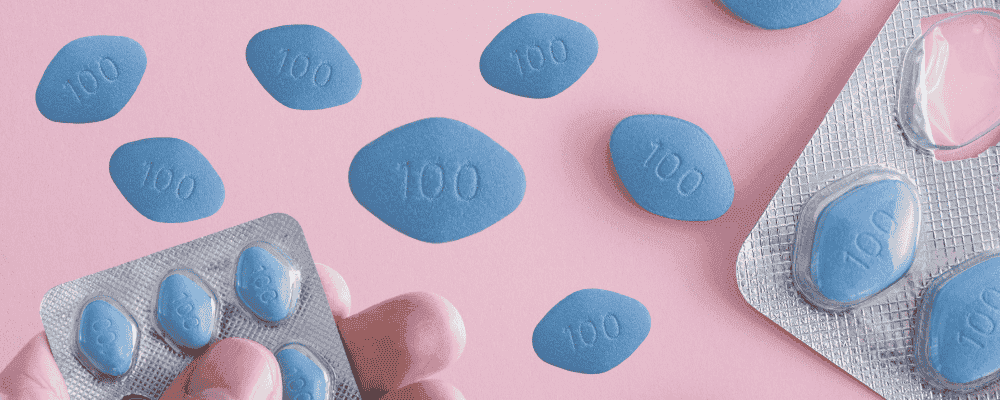
- Sildenafil (Viagra)
- Tadalafil (Cialis)
- Vardenafil (Levitra)
These medicines belong to a class called PDE5 inhibitors, which work by improving blood flow to the penis during sexual stimulation.
However, their effectiveness depends on whether the erectile nerves are still functional. In men who have undergone nerve-sparing surgery, these medications may work well. In others, especially where nerve damage is significant, the response may be limited.
Important safety considerations:
- Should only be used under medical supervision
- Must not be combined with nitrate medications (risk of severe drop in blood pressure)
- May cause side effects such as headache, flushing, or dizziness
Vacuum Erection Devices (VEDs)
Vacuum erection devices provide a non-surgical treatment method that does not require any drugs. VEDs utilize the pumping mechanism to create a vacuum pressure on the penis, allowing increased blood flow into the penis and facilitating erections.
VEDs are especially helpful in cases of:
- Patients unable to take oral medications
- Postoperative penile recovery treatment
VEDs can further help preserve penile tissue health by improving oxygenation and preventing permanent alterations in tissue structure.
Penile Injections (Intracavernosal Therapy)
For those who have developed resistance to oral medications, intracavernosal therapy could be considered.
Penile injections refer to administering drugs (such as alprostadil) directly to the penis, which helps promote blood circulation and causes erections.
Key advantages:
- Very efficient, regardless of existing nerve damage
- Training is required before administration
- Side effects include pain and priapism
Intraurethral Therapy
Another option is intraurethral medication, where a small pellet of medicine is inserted into the urethra.
This method is less commonly used but may be suitable for some patients who prefer not to use injections.
Penile Implants (Surgical Option)
Penile implants are considered when other treatments are not effective. This is a surgical solution that involves placing a device inside the penis to allow controlled erections.
Types include:
- Inflatable implants
- Semi-rigid rods
Penile implants have high satisfaction rates but require careful evaluation and discussion of risks, including infection or device malfunction.
Key Takeaway
Treatment of ED after prostate cancer requires a multidisciplinary and individualized approach. No single treatment works for everyone, and outcomes depend on factors such as:
- Type of cancer treatment
- Degree of nerve preservation
- Age and overall health
- Psychological well-being
With proper medical care, many men can regain sexual function or find effective alternatives, improving both confidence and quality of life.
Tips to Improve Prostate Health and Sexual Function
Lifestyle Changes
Healthy habits can support both prostate and sexual health:
- Maintain a balanced diet
- Exercise regularly
- Quit smoking
- Limit alcohol intake
Regular Screening
Early detection of prostate issues can improve outcomes. Regular PSA tests and check-ups are important, especially for men over 50 or those at higher risk.
Conclusion
Can prostate cancer lead to ED/impotence then? The answer to this question is yes—but indirectly. It is true that prostate cancer itself might not be the direct reason for impotence; however, the methods used for treatment, like surgery, radiotherapy, and hormonal treatment, can be the primary causes of ED.
Fortunately, there is hope when it comes to dealing with ED. There are plenty of ways to treat it successfully, and many men recover from this issue.
FAQs
1. Can prostate cancer directly cause erectile dysfunction?
It can occur in advanced stages, but ED is more commonly caused by treatment rather than the cancer itself.
2. Is ED permanent after prostate surgery?
Not always. Some men recover over time, especially with nerve-sparing surgery.
3. How long does it take to recover erections after treatment?
Recovery can take months to years, depending on individual factors.
4. What treatments help ED after prostate cancer?
Options include medications, devices, injections, and implants.
5. Can ED be an early sign of prostate cancer?
No, ED is not typically an early symptom of prostate cancer.
References
Lorem ipsum dolor sit amet, consectetur adipiscing elit. Ut elit tellus, luctus nec ullamcorper mattis, pulvinar dapibus leo.
- National Center for Biotechnology Information (NCBI): https://pmc.ncbi.nlm.nih.gov/articles/PMC3623527/
- Washington University in St. Louis: https://surgery.wustl.edu/the-connection-between-prostate-cancer-and-erectile-dysfunction/
- Prostate Cancer Foundation (PCF): https://www.pcf.org/patient-support/side-effects/sexual-health/erectile-dysfunction/
- Mayo Clinic Press: https://mcpress.mayoclinic.org/advanced-prostate-cancer/what-to-know-about-erectile-dysfunction-and-prostate-cancer/
- Cancer Research UK: https://www.cancerresearchuk.org/about-cancer/prostate-cancer/practical-emotional-support/sex-relationships/difficulty-getting-erection
- WebMD: https://www.webmd.com/prostate-cancer/impotence-prostate-cancer