



Anesthesia
- Chronic Conditions
- Chronic Kidney Disease
- Contraception
- Hair Fall Control
- Hepatitis C DAAs
- OBESITY
- Uncategorized
- Chronic Care
- Men's Health & Wellness
- Personal Care
- Speciality Medicines
- Wellness & Nutrition
- Women’s Health & Wellness
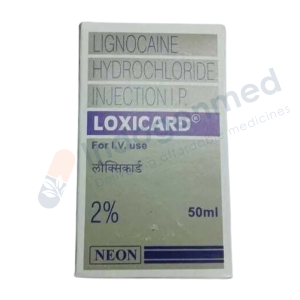
Loxicard 2 % Infusion 50 Ml

Nummit Spray 100gm
Prilox Cream 50gm
Recently Viewed Products
Table of Contents
Anesthesia is a medical method used to prevent pain and reduce discomfort during surgeries, dental work, scans, wound care, and other procedures. Depending on the procedure, anesthesia can numb a small area, a larger part of the body, or help a patient sleep through the procedure safely.
Anesthesia medicines work by blocking pain signals from nerves to the brain and, in some cases, by helping the brain relax or sleep. These medicines are selected based on factors such as procedure type, age, weight, medical history, and overall health.
Types of anesthesia
Local anesthesia
Numb a small area of the body. Commonly used for stitches, minor skin procedures, and dental work.
Regional anesthesia
Numb a larger area (like an arm, leg, or lower body). Examples include spinal or epidural anesthesia, often used in surgeries and childbirth.
General anesthesia
Makes a person fully unconscious during major surgery. Breathing, blood pressure, and other vital signs are closely monitored by medical professionals.
Sedation
Helps a person feel calm, sleepy, and relaxed during certain procedures. It can be mild to deep depending on the need.
What you may find in the Anesthesia category
Products in an anesthesia-related category can include:
Local numbing medicines
Used to numb skin or tissues during minor procedures. They may come as creams, gels, sprays, or injections.
Procedure sedation medicines
Used in hospitals/clinics to reduce anxiety and discomfort during procedures.
Medicines used during surgery
These can include agents used to maintain anesthesia, relax muscles, or support safe procedure care.
Supportive peri-procedure medicines
Such as medicines used to help with nausea, pain control after procedures, or recovery support (as part of surgical care).
Why safety is important
Anesthesia medicines can strongly affect the brain, breathing, heart rate, and blood pressure. For this reason, most anesthetic drugs are intended for use by trained medical professionals in a controlled setting with monitoring. Using the wrong medicine or dose can be dangerous.
When to seek medical help quickly
Get urgent medical attention if someone has signs like:
- Trouble breathing, severe drowsiness, or fainting
- Severe allergic reaction (swelling of face/lips, rash with breathing difficulty)
- Chest pain, very fast or very slow heartbeat
- Confusion that is sudden or getting worse
Explore Anesthesia products
This category is meant for medicines and supportive items related to numbing, sedation, and procedure comfort, selected based on professional medical planning and patient safety.