



Antiemetic
- Chronic Conditions
- Chronic Kidney Disease
- Contraception
- Hair Fall Control
- Hepatitis C DAAs
- OBESITY
- Uncategorized
- Chronic Care
- Men's Health & Wellness
- Personal Care
- Speciality Medicines
- Wellness & Nutrition
- Women’s Health & Wellness
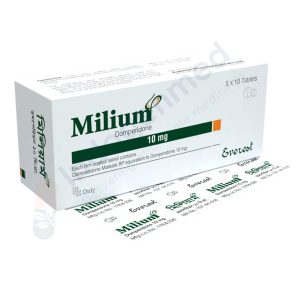
Milium 10 Mg Tablet
Recently Viewed Products
Table of Contents
Antiemetics are medicines used to prevent or stop nausea and vomiting. They work by calming the stomach, blocking nausea signals in the brain, or reducing dizziness and motion-related triggers. Nausea and vomiting can happen for many reasons, such as food poisoning, stomach infection, acidity, migraine, motion sickness, pregnancy (morning sickness), or side effects of medicines.
In this category, you will find different antiemetic options for short-term relief and for specific causes of vomiting, as advised by your doctor.
Key facts
- Used for: Nausea, vomiting, motion sickness, and nausea from some medicines
- Forms available: Tablets, mouth-dissolving tablets, syrups, injections, and suppositories (depends on product)
- Best results: When chosen based on the cause (stomach infection vs motion sickness vs migraine, etc.)
How antiemetics work
Different antiemetics help in different ways, such as:
- blocking nausea signals in the brain
- improving stomach emptying and reducing stomach irritation
- calming the balance system (inner ear) in motion sickness
Common situations where antiemetics are used
- Stomach upset/infection: vomiting with gastritis or gastroenteritis
- Motion sickness: nausea during travel
- Migraine-related nausea: nausea with headaches
- Pregnancy-related nausea: only with doctor advice
- Post-surgery or medicine side effects: nausea after procedures or certain drugs
Types of antiemetics you may see
Some common groups include:
- Serotonin blockers: ondansetron
- Dopamine blockers/prokinetics: domperidone, metoclopramide
- Antihistamines: meclizine, dimenhydrinate (often for motion sickness)
- Antacids/acid reducers (supportive): sometimes used if nausea is due to acidity
Product availability depends on your store list.
Safe use tips
- Drink small sips of water or ORS to avoid dehydration.
- Eat light foods (banana, rice, toast) and avoid oily/spicy items during vomiting.
- Do not take multiple nausea medicines together unless advised.
- If you have heart problems, liver disease, or are pregnant, ask a doctor before use.
Possible side effects
- sleepiness or dizziness (especially travel sickness medicines)
- dry mouth
- constipation or diarrhea
- mild headache
If side effects feel severe, stop and get medical advice.
When to seek urgent medical help
Get help quickly if you have:
- signs of dehydration (very little urine, dizziness, extreme weakness)
- vomiting with blood or black vomit
- severe stomach pain or swelling
- high fever with confusion
- vomiting lasting more than 24 hours in adults (earlier in children/elderly)
- chest pain, severe headache, or stiff neck
Explore Antiemetic Medicines
Browse this category for medicines used to manage nausea and vomiting, and choose based on the likely cause and professional guidance.