

Antifungal
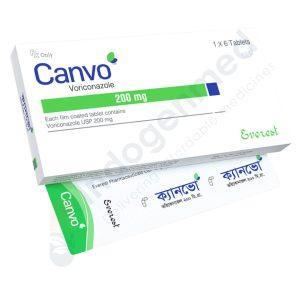
Canvo 200 mg Tablets
Recently Viewed Products
Table of Contents
Antifungal medicines are used to treat fungal infections of the skin, scalp, nails, and sometimes inside the body. Fungal infections are common, especially in hot or humid weather, and they can spread through sweating, tight clothing, shared towels, gyms, and close skin contact.
These infections may cause itching, redness, scaling, cracks, or ring-shaped rashes. Nail and scalp fungal problems can take longer to treat.
In this category, you will find antifungal products in various forms, such as creams, powders, shampoos, lotions, and tablets, depending on the infection type and severity.
Key Facts
- Used for: Skin, scalp, nail, and some internal fungal infections
- Forms available: Creams/ointments, powders, sprays, shampoos, tablets/capsules
- Best results: Early treatment + good hygiene + full course completion
How Antifungals Work
Antifungals work by stopping fungus growth or killing the fungus. Some act on the fungal cell membrane, weakening the fungus and clearing the infection.
Common Conditions Treated
Ringworm (tinea)
Round or ring-shaped itchy rash on the body, face, or groin.
Athlete’s foot
Itching, cracks, and peeling between toes.
Jock itch
Red, itchy rash in the groin area.
Yeast infections
It can affect skin folds or intimate areas (treatment depends on location and cause).
Scalp fungal infection
Itchy scalp, flaking, hair breakage, or patches (often needs doctor advice).
Nail fungus
Thick, discolored, brittle nails (usually need longer treatment).
Types of Antifungals You May See
Topical antifungals (for skin/scalp)
Examples: clotrimazole, terbinafine, ketoconazole, miconazole
Antifungal shampoos
Examples: ketoconazole shampoo, selenium sulfide (for dandruff/fungal scalp issues)
Oral antifungals (for severe or nail/scalp infections)
Examples: fluconazole, itraconazole, terbinafine (used under medical guidance)
Safe Use Tips
- Keep the area clean and dry, especially skin folds.
- Apply cream as directed and continue for a few days after symptoms improve.
- Do not share towels, socks, or clothing.
- Wear loose cotton clothes and change sweaty clothes quickly.
- For nail fungus, treatment may take weeks to months—be consistent.
- Oral antifungals may need liver monitoring in some people—use only with medical advice.
Possible Side Effects
Topical products
- Mild burning, irritation, or redness
Oral medicines
- Stomach upset, headache
- Rarely, liver-related side effects (needs medical supervision)
When to See a Doctor
- Infection is spreading fast, or is very painful
- No improvement after 1–2 weeks of proper use
- Repeated infections or infection in multiple areas
- Nail/scalp fungal infection (often needs stronger treatment)
- You have diabetes or low immunity
- Fever, pus, or severe swelling is present
Explore Antifungal Medicines
Browse this category to find options for skin, scalp, and nail fungal infections, and choose based on your symptoms and professional guidance.