



Bladder Cancer
- Chronic Conditions
- Chronic Kidney Disease
- Contraception
- Hair Fall Control
- Hepatitis C DAAs
- OBESITY
- Uncategorized
- Chronic Care
- Men's Health & Wellness
- Personal Care
- Speciality Medicines
- Wellness & Nutrition
- Women’s Health & Wellness


Erdafixen 4mg Tablets

Gemsar Rtu 1.4gm Injection
Gemsar Rtu 1gm Injection
Gemsar Rtu 200mg Injection
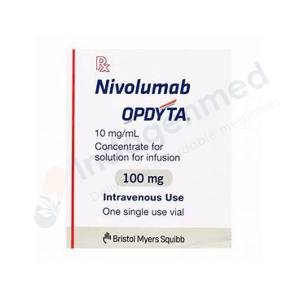
Opdyta 100 Mg Injection
Recently Viewed Products
Table of Contents
Bladder cancer is a type of cancer that begins in the bladder, the organ that stores urine. Most bladder cancers start in the inner lining of the bladder. Early detection is important because many cases are treatable when found early.
Why it matters
Bladder cancer can cause bleeding in urine and urinary symptoms that look like an infection. If it is not diagnosed on time, it can grow deeper into the bladder wall or spread to other parts of the body.
Common Symptoms
Early symptoms
- Blood in urine (pink, red, or cola-colored urine)
- Burning or pain while urinating
- Frequent urination or strong urgency
- Feeling that the bladder is not fully empty
Symptoms that need quick attention
- Visible blood in urine that keeps happening
- Clots in urine
- Severe pain in the lower abdomen or side (flank pain)
- Unexplained weight loss, weakness, or bone pain (in advanced cases)
Risk Factors
Bladder cancer risk can increase with:
- Smoking or tobacco use
- Long-term chemical exposure (some industries like dye, rubber, and leather)
- Increasing age
- Repeated bladder irritation or chronic infections (in some cases)
- Previous cancer treatment affecting the bladder (in selected cases)
- Family history (less common, but possible)
How Doctors Diagnose It
Diagnosis usually includes tests to confirm the cause of symptoms and check the bladder directly.
Common tests
- Urine test (to check blood, infection, and abnormal cells)
- Ultrasound or CT scan (to look at the bladder and kidneys)
- Cystoscopy (camera test to view inside the bladder)
- Biopsy or TURBT procedure (to remove and test the tumor tissue)
Treatment Options
Treatment depends on the stage, grade, and whether the cancer has invaded the bladder muscle.
Early-stage bladder cancer
- Tumor removal through the bladder (TURBT)
- Intravesical therapy (medicine placed directly into the bladder) in some cases
- Regular follow-ups, because recurrence can happen
Muscle-invasive bladder cancer
- Major surgery (may include bladder removal in some cases)
- Chemotherapy before or after surgery, depending on the case
- Radiation therapy in selected situations
- Immunotherapy or targeted therapy may be used in some patients based on specialist testing
Follow-up and Monitoring
Bladder cancer often needs regular follow-up because it can come back. Follow-up may include repeat cystoscopy, scans, and urine tests as advised by the doctor.
When to Seek Urgent Medical Help
Get medical help quickly if you have:
- Heavy bleeding or clots in urine
- Inability to pass urine
- Fever with burning urination and back/side pain
- Severe weakness, dizziness, or fainting
Specialists to Consult
- Urologist
- Medical oncologist
- Radiation oncologist (if needed)
If you want, tell me whether this is for a disease info page or a medicines category page, and I can adjust the last section accordingly.