

Chemotherapy Medicines
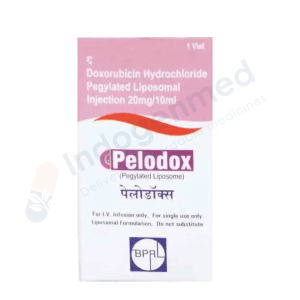
Pelodox 20 mg Injection
Recently Viewed Products
Table of Contents
Chemotherapy medicines are drugs used to treat cancer by killing cancer cells or stopping them from dividing. Cancer cells grow faster than normal cells, and chemotherapy targets this fast growth. These medicines may be used to shrink tumors, control cancer spread, reduce the chance of cancer coming back, or relieve symptoms.
Chemotherapy can be used alone or together with other cancer treatments like surgery, radiation, targeted therapy, immunotherapy, or hormone therapy, depending on the cancer type and stage.
Why is chemotherapy used
Chemotherapy may be given for different goals, such as:
- Before surgery (neoadjuvant): to shrink a tumor and make surgery easier
- After surgery (adjuvant): to kill remaining cancer cells and reduce recurrence risk
- For advanced cancer: to slow cancer growth and improve symptoms
- With radiation: to increase the treatment effect in some cancers
How chemotherapy works
Chemotherapy medicines mainly work by affecting cell division, for example:
- Damaging cancer cell DNA so the cell cannot survive
- Blocking DNA copying so cells cannot multiply
- Stopping key steps needed for cell growth
Because some normal cells also divide rapidly (like hair roots, the mouth lining, and bone marrow), chemotherapy can cause side effects.
Forms of chemotherapy
Oral chemotherapy
Tablets or capsules taken by mouth (needs a strict schedule and correct handling).
Injectable chemotherapy
Given through injection or IV infusion in a clinic/hospital setting.
Special methods (in selected cases)
Some chemotherapy is delivered directly to a body area, based on the medical plan.
Common cancers where chemotherapy is used
Chemotherapy is used in many cancers, including:
- Breast cancer
- Lung cancer
- Colorectal cancer
- Ovarian and cervical cancer
- Lymphoma and leukemia
- Head and neck cancers
- Sarcomas and others
Common side effects
Side effects depend on the drug, dose, and person. Not everyone gets all side effects.
Common side effects
- Nausea or vomiting
- Loss of appetite or taste changes
- Fatigue and weakness
- Mouth ulcers or sore mouth
- Hair fall (temporary in many cases)
- Diarrhea or constipation
- Skin or nail changes
Blood-related effects
Chemotherapy can reduce blood cell counts, which may cause:
- Low white cells: higher infection risk
- Low red cells: anemia and tiredness
- Low platelets: easy bruising or bleeding
Monitoring during chemotherapy
Doctors often do regular tests to keep treatment safe, such as:
- Complete blood count (CBC)
- Liver and kidney function tests
- Electrolytes and other tests based on the regimen
- Heart tests in selected medicines
Important safety notes
- Chemotherapy needs specialist planning and monitoring. Do not change the dose or schedule yourself.
- Some medicines require careful storage and handling.
- Tell your doctor about all medicines, supplements, and herbal products to avoid interactions.
- Avoid infections: wash hands, avoid contact with sick people when counts are low, and report fever promptly.
When to seek urgent medical help
Get medical help immediately if you have:
- Fever (especially 38°C or higher) or chills
- Shortness of breath, chest pain, or severe weakness
- Bleeding that does not stop, blood in urine/stool, or black stools
- Severe vomiting or being unable to drink fluids
- Severe diarrhea, dehydration, or confusion
- Sudden swelling of face/lips or breathing difficulty (possible allergy)
Explore Chemotherapy Medicines
Browse this category to find medicines used in chemotherapy treatment and supportive cancer care. These medicines should be chosen only as part of a doctor-guided cancer treatment plan.