

Gastroenterology
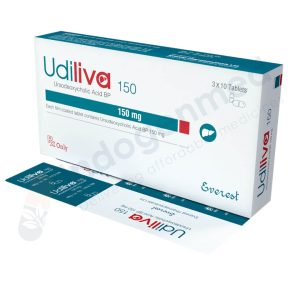
Udiliva 150 mg Tablets
Recently Viewed Products
Table of Contents
Gastroenteritis is an infection or irritation of the stomach and intestines. It usually causes loose stools (diarrhea), vomiting, stomach cramps, and nausea. It can happen due to viruses (most common), bacteria, or parasites, often from contaminated food or water, or close contact with an infected person.
Most cases resolve in a few days, but the biggest risk is dehydration, especially in children, older adults, and people with weakened immune systems.
Key Facts
Usually seen in
All ages (higher risk of dehydration in children and the elderly)
Body parts involved
Stomach and intestines
Main concern
Fluid loss and dehydration
Common Symptoms
Common symptoms include
- Loose stools (diarrhea)
- Nausea and vomiting
- Stomach cramps or belly pain
- Fever or chills (in some cases)
- Weakness and loss of appetite
Signs of dehydration
- Very thirsty, dry mouth
- Less urine or dark urine
- Dizziness, weakness
- Sunken eyes (especially in children)
Causes and Spread
Common causes
- Viral infection (often spreads quickly)
- Food poisoning due to bacteria
- Contaminated water
- Poor hand hygiene
How it spreads
- Eating or drinking contaminated food/water
- Touching contaminated surfaces and then touching the mouth
- Close contact with an infected person
Diagnosis
Doctors usually diagnose gastroenteritis based on symptoms. Tests may be advised if:
- Diarrhea is severe or lasts longer than expected
- There is blood in the stool
- High fever or strong stomach pain is present
- The person is very young, elderly, or has other health problems
Possible tests include stool test, blood tests, or electrolyte tests (to check dehydration).
Treatment and Care
Rehydration is the main treatment
- ORS (oral rehydration solution) helps replace fluids and salts
- Small sips are often better than large amounts at once
- In severe dehydration, IV fluids may be needed
Food tips
- Eat light foods: rice, curd/yogurt, banana, toast, soup
- Avoid oily, spicy foods and alcohol
- Avoid very sugary drinks (can worsen diarrhea)
Medicines (based on symptoms)
- Antiemetic medicines may be used for vomiting
- Probiotics may help in some cases
- Antibiotics are used only in selected bacterial infections (not for most viral cases)
When to Seek Medical Help Urgently
Get medical help quickly if there is:
- Blood in stool or black stools
- Severe belly pain or a hard, swollen abdomen
- High fever that is not settling
- Vomiting that prevents drinking fluids
- Signs of dehydration (very little urine, dizziness, extreme weakness)
- Diarrhea lasting more than 2–3 days in adults, or earlier in children/elderly
Prevention Tips
- Wash your hands well, especially after toilet and before eating
- Drink safe, clean water
- Eat freshly cooked food, and avoid unhygienic street food when possible
- Wash fruits and vegetables properly
- Keep food covered and refrigerated when needed
Explore Gastroenteritis Care Products
Browse this category for products commonly used in gastroenteritis support, such as ORS, nausea control, gut-friendly support, and digestive care, based on symptoms and medical guidance.