

Heart Medicines
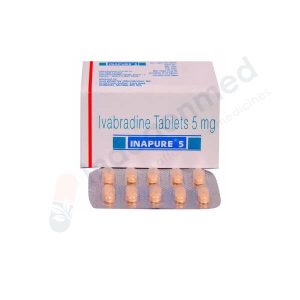
Inapure 5 mg Tablets
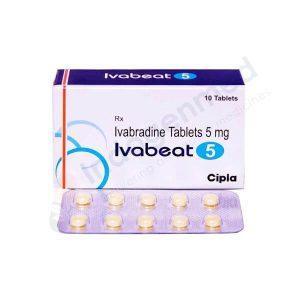
Ivabeat 5 mg Tablets
Recently Viewed Products
Table of Contents
Heart medicines are used to manage conditions related to the heart and blood vessels. Your heart pumps blood throughout the body, and healthy blood flow is important for oxygen delivery, energy, and organ function. When the heart or blood vessels are not working properly, it can lead to problems like high blood pressure, chest pain, heart failure, irregular heartbeat, high cholesterol, or risk of clots.
This category includes medicines that help the heart work better, improve blood flow, control blood pressure, and reduce the risk of serious events such as heart attack and stroke.
Why heart medicines are important
Many heart conditions do not show early symptoms. Medicines help to:
- Keep blood pressure in a safer range
- Reduce strain on the heart
- Improve blood flow to the heart muscle
- Control heartbeat rhythm and rate
- Lower cholesterol and protect blood vessels
- Reduce the risk of blood clots
Common conditions treated with heart medicines
High blood pressure (hypertension)
Helps reduce pressure on arteries and lowers long-term risk to the heart, brain, and kidneys.
High cholesterol
Helps lower bad cholesterol and reduce plaque buildup in blood vessels.
Chest pain (angina)
Helps improve blood flow to the heart and reduce chest discomfort.
Heart failure
Helps the heart pump better, reduces fluid buildup, and improves breathing and swelling.
Irregular heartbeat (arrhythmia)
Helps control fast, slow, or uneven heartbeats.
Blood clot risk (stroke/heart attack prevention)
Some medicines help prevent harmful clots, especially after stents, heart disease, or in conditions like atrial fibrillation.
Types of heart medicines you may find
Blood pressure medicines
Used to relax blood vessels, remove extra fluid, or reduce heart strain.
Cholesterol-lowering medicines
Used to reduce cholesterol and protect arteries.
Blood thinners and antiplatelets
Used to reduce clot formation and protect against stroke/heart attack in selected patients.
Heart rate and rhythm control medicines
Used to control the heartbeat speed and rhythm.
Angina medicines
Used to improve the heart's blood supply and reduce chest pain.
Heart failure support medicines
Used to reduce symptoms like breathlessness, swelling, and fatigue.
Common symptoms that need a heart check
- Chest pain, pressure, or heaviness
- Shortness of breath (especially on walking or lying down)
- Fast heartbeat, palpitations, or irregular pulse
- Swelling in feet/ankles
- Unusual tiredness or weakness
- Dizziness or fainting
- High blood pressure readings repeatedly
Tests doctors may suggest
- Blood pressure monitoring
- ECG (heart electrical test)
- Echocardiography (heart ultrasound)
- Lipid profile (cholesterol)
- Blood sugar (HbA1c/fasting)
- Kidney function and electrolytes
- Stress test or angiography in selected cases
Safety notes
Heart medicines work best when taken regularly and consistently. Do not stop suddenly or change the dose on your own, because it can worsen symptoms or increase risk. Tell your doctor about any other medicines or supplements you take to avoid interactions.
When to seek urgent medical help
Get emergency help if you have:
- Chest pain lasting more than a few minutes, or spreading to the arm/jaw
- Severe shortness of breath
- Sudden weakness on one side, trouble speaking, face drooping
- Fainting, severe dizziness, or confusion
- Very fast heartbeat with chest pain or breathlessness
Explore Heart Medicines
Browse this category to find medicines used for blood pressure, cholesterol, heart rhythm, chest pain, heart failure, and clot prevention, based on your health needs and medical advice.