

Hepatitis

Elopag 25 mg Tablets
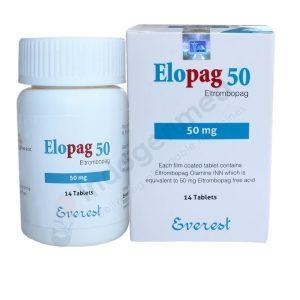
Elopag 50 mg Tablets
Recently Viewed Products
Table of Contents
Hepatitis means inflammation of the liver. The liver helps with digestion, removes toxins, stores energy, and makes important proteins. When the liver is inflamed, you may feel tired, lose your appetite, or develop jaundice (yellow eyes/skin). Hepatitis can be caused by viruses (most common), alcohol, some medicines, or autoimmune disease, but hepatitis A and B are viral types.
This category includes medicines and supportive care used for hepatitis symptoms, liver protection (as advised), and virus-specific treatment when needed.
Hepatitis A
Usually, a short-term infection
Hepatitis A is caused by the hepatitis A virus (HAV). It commonly spreads through contaminated food or water or close contact with an infected person. Most people recover completely, and it usually does not become long-term (chronic).
Common spread
- Unclean food or water
- Poor hand hygiene
- Close household contact
Hepatitis B
Can be short-term or long-term
Hepatitis B is caused by the hepatitis B virus (HBV). It spreads through blood and body fluids. Some people clear the infection, but others develop chronic hepatitis B, which can slowly damage the liver over time.
Common spread
- Unprotected sex
- Shared needles or unsafe injections
- From mother to baby during birth
- Blood exposure (unsafe tattoo/piercing tools, needle-stick injuries)
Common Symptoms of Hepatitis
Some people have mild symptoms, especially early. Symptoms may include:
- Tiredness and weakness
- Fever (sometimes)
- Nausea or vomiting
- Loss of appetite
- Pain or discomfort on the right side of the belly
- Dark urine
- Pale stools
- Yellow eyes/skin (jaundice)
- Itching (sometimes, more with liver bile problems)
Tests Doctors May Suggest
To confirm hepatitis and check liver health, doctors may advise:
- Liver function tests (ALT, AST, bilirubin, ALP)
- Viral tests (HAV IgM for hepatitis A; HBsAg, anti-HBc, HBV DNA for hepatitis B)
- INR (blood clotting check)
- Ultrasound abdomen (to check liver condition)
- In chronic hepatitis B, additional monitoring tests over time
Treatment and Care
Treatment depends on the type and severity.
For Hepatitis A
- Mostly supportive care: rest, fluids, light diet
- Medicines to control nausea or fever (as advised)
- Avoid alcohol and unnecessary medicines that can stress the liver
For Hepatitis B
- Some acute cases need only monitoring
- Chronic hepatitis B may need antiviral medicines to control the virus and protect the liver (doctor decides based on tests)
- Regular follow-up is important to reduce the risk of liver damage
Prevention Tips
Hepatitis A prevention
- Safe drinking water
- Good hand washing
- Well-cooked food
- Vaccination (recommended for many people)
Hepatitis B prevention
- Vaccination (very effective)
- Safe sex practices
- Do not share needles/razors/toothbrushes
- Use sterile equipment for tattoos/piercings
- Screening in pregnancy helps protect the baby
When to Seek Urgent Medical Help
Get medical help quickly if you have:
- Severe vomiting and unable to keep fluids down
- Confusion, extreme sleepiness, or fainting
- Bleeding from gums/nose or easy bruising
- Severe belly swelling or strong belly pain
- Very yellow eyes/skin with worsening weakness
- Black stools or vomiting blood
Explore Hepatitis Care Products
Browse this category for medicines and support options used for hepatitis-related symptoms and liver care, and for virus-specific treatment when prescribed.