



Abacavir
- Chronic Conditions
- Chronic Kidney Disease
- Contraception
- Hair Fall Control
- Hepatitis C DAAs
- OBESITY
- Pulmonary Hypertension (Rx)
- Uncategorized
- Chronic Care
- Men's Health & Wellness
- Personal Care
- Speciality Medicines
- Wellness & Nutrition
- Women’s Health & Wellness
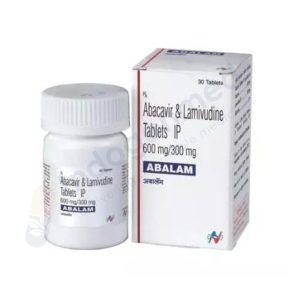
Abalam Tablet
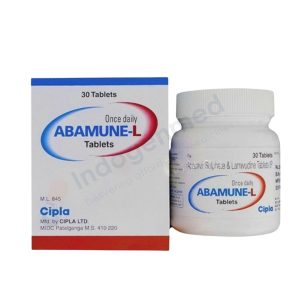
Abamune-l Tablets
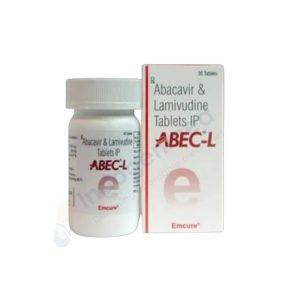
Abec-l Tablets
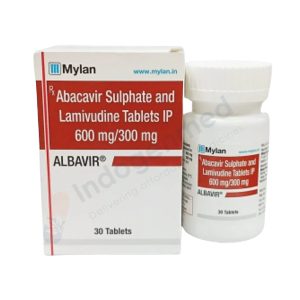
Albavir Tablet
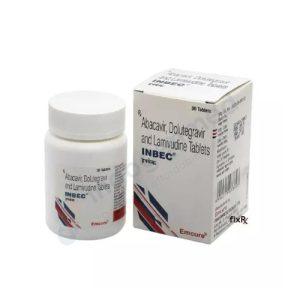
Inbec Tablets
Recently Viewed Products
Table of Contents
Abacavir (also available as abacavir sulfate) is a nucleoside reverse transcriptase inhibitor (NRTI) used as part of combination antiretroviral therapy for HIV-1 infection. It is a synthetic carbocyclic nucleoside analogue related to guanosine-like compounds.
Information about the molecule
Abacavir was developed as an antiretroviral medicine to block HIV replication and help protect the immune system. In the United States, abacavir (as Ziagen tablets and oral solution) received regulatory approval in 1998 for treating HIV infection in combination with other HIV medicines.
Chemical structure and formula (simple overview)
Abacavir is a small-molecule antiviral.
- Abacavir molecular formula: C14H18N6O
- Abacavir sulfate molecular formula: (C14H18N6O)2 · H2SO4
Chemical Structure of Abacavir
Insert image with attribution: PubChem or FDA label image library
Mode of action, at a glance
Abacavir is converted inside cells into an active form that interferes with HIV’s ability to make new viral DNA, slowing or stopping viral multiplication.
Pharmacology
Pharmacokinetics
- Absorption: Abacavir is well absorbed after oral dosing. Peak levels typically occur around 1 to 2 hours after a dose.
- Bioavailability: Oral bioavailability is about 83%.
- Distribution: It is widely distributed in body fluids and tissues and has moderate plasma protein binding.
- Metabolism: Abacavir is primarily metabolized in the liver through alcohol dehydrogenase and glucuronyl transferase pathways. It is not significantly metabolized by CYP450, which reduces many classic CYP-based drug interaction concerns.
- Elimination: Most of the dose is eliminated in urine as inactive metabolites; only a small amount is excreted unchanged.
- Half-life: The plasma half-life is around 1.5 hours, but the active intracellular metabolite persists longer, supporting twice-daily (or sometimes once-daily, regimen-dependent) dosing in combination therapy.
Interaction note (practical): Alcohol can increase abacavir blood exposure, so patients should discuss regular alcohol use with a clinician.
Pharmacodynamics
Abacavir’s active metabolite competes with natural nucleotides and gets incorporated into viral DNA. This causes chain termination and reduces HIV replication. The result is a lower viral load and improved immune markers (such as CD4 count) when used consistently with an effective combination regimen.
Uses Of Abacavir
Primary use
- Treatment of HIV-1 infection in adults and children is only effective in combination with other antiretroviral medicines.
Common combination roles
Abacavir is frequently used as part of a backbone regimen with another NRTI, and paired with an integrase inhibitor or another recommended third agent, depending on patient factors and guideline-based choices.
How it works
HIV uses an enzyme called reverse transcriptase to convert its RNA into DNA, which then integrates into human cells and produces more virus. Abacavir blocks this step by acting as a building block that prevents the DNA chain from elongating. This helps reduce the amount of virus in the body and supports immune recovery.
Factors that influence effectiveness include medication adherence, baseline resistance, and whether the full regimen remains appropriate over time.
Common side effects of Abacavir
Mild to moderate
- Nausea
- Headache
- Fatigue
- Diarrhea
- Trouble sleeping
- Skin rash (can occur and must be assessed carefully)
Serious risks and when to seek medical help
Abacavir hypersensitivity reaction can be severe and potentially life-threatening. Because of this:
- HLA-B*57:01 genetic screening is recommended before starting or restarting abacavir.
- Symptoms can include fever, rash, stomach symptoms (nausea, vomiting, abdominal pain), respiratory symptoms (shortness of breath, cough, sore throat), and marked fatigue or body aches.
- If hypersensitivity is suspected, stop abacavir immediately and do not restart, unless a clinician clearly determines it is safe.
Other rare but serious concerns seen with some NRTIs include lactic acidosis and severe liver problems. Seek urgent care for severe weakness, rapid breathing, persistent vomiting, yellowing of skin or eyes, or severe abdominal pain.
Available medicines for this molecule
| Medicine name | Type | Dosage forms (examples) |
|---|---|---|
| Ziagen | Abacavir single-ingredient | Tablets, oral solution |
| Abacavir (generic) | Abacavir single-ingredient | Tablets, oral solution (varies by market) |
| Epzicom or equivalent | Abacavir + lamivudine | Tablets |
| Triumeq or equivalent | Abacavir + dolutegravir + lamivudine | Tablets |
| Trizivir or equivalent | Abacavir + lamivudine + zidovudine | Tablets |
Availability and strengths can vary by country and manufacturer.
Clinical trials and approvals (overview)
Clinical studies established that abacavir-based combination therapy can significantly reduce HIV viral load and improve immune markers compared with less effective regimens, especially when paired with other active antiretrovirals. Over time, additional trials and real-world data helped define its role in combination therapy, highlighted the importance of HLA-B*57:01 screening to reduce hypersensitivity risk, and refined patient selection based on overall clinical profile.
Disclaimer
This content is for informational and educational purposes only and should not replace professional medical advice. Always consult a healthcare provider before starting, stopping, or changing any medication.
References:
- FDA Drug Approval Package for Ziagen, approval date, and product details. (FDA Access Data)
- Abacavir bioavailability and pharmacokinetic review documents and labeling summaries. (FDA Access Data)
- PubChem compound records for abacavir and abacavir sulfate formulas. (pubchem.ncbi.nlm.nih.gov)