



Tucatinib
- Antibiotics
- Cholesterol Management
- Chronic Conditions
- Chronic Kidney Disease
- Contraception
- Hair Fall Control
- Hepatitis C DAAs
- Hypertension & Heart
- OBESITY
- Pulmonary Hypertension (Rx)
- Uncategorized
- Chronic Care
- Men's Health & Wellness
- Personal Care
- Speciality Medicines
- Wellness & Nutrition
- Women’s Health & Wellness
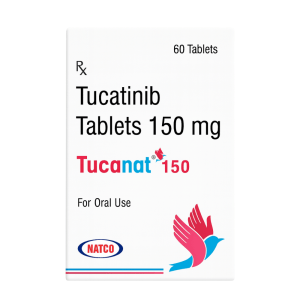
Tucanat 150 Mg Tablet

Tucaxen 150 Mg Tablets
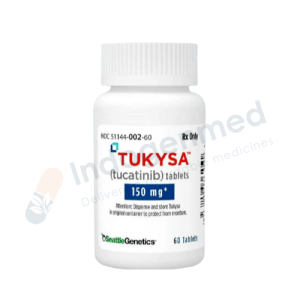
Tukysa 150 Mg Tablets
Recently Viewed Products
Table of Contents
Tucatinib is a targeted oral medication used to treat HER2-positive breast cancer, a subtype in which cancer cells overproduce the HER2 protein, leading to faster and more aggressive tumor growth. By specifically blocking this protein, tucatinib helps slow down or stop cancer progression. Unlike traditional chemotherapy, which affects both healthy and cancerous cells, tucatinib primarily targets cancer cells, making treatment more precise and better tolerated.
HER2-positive breast cancer accounts for approximately 20–30% of all breast cancer cases and is often associated with a higher risk of recurrence and spread. Tucatinib has become an essential option for patients with advanced or metastatic disease, mainly when used in combination with other anti-HER2 therapies such as trastuzumab and capecitabine.
FDA Approval of Tucatinib
In April 2020, the U.S. Food and Drug Administration approved tucatinib in combination with trastuzumab and capecitabine for adults with advanced or metastatic HER2-positive breast cancer who had received prior anti-HER2 treatments. This approval was particularly significant for patients with brain metastases, a common and complex complication in advanced HER2-positive breast cancer, for which tucatinib demonstrated clear benefit.
Mechanism of Action
- HER2 (human epidermal growth factor receptor 2) is a protein located on the surface of certain cancer cells. In HER2-positive breast cancer, excess HER2 signaling drives uncontrolled cell growth.
- Tucatinib works by selectively inhibiting the HER2 tyrosine kinase enzyme. This enzyme is responsible for activating signaling pathways that promote cancer cell growth and division. By blocking these signals, tucatinib prevents cancer cells from multiplying.
- A key advantage of tucatinib is its high selectivity. Unlike some other HER2 inhibitors, it largely avoids inhibiting EGFR (epidermal growth factor receptor), which helps reduce side effects such as severe skin rash and gastrointestinal toxicity.
Pharmacokinetics and Pharmacodynamics
Absorption
Tucatinib is taken orally and is rapidly absorbed. Peak blood concentrations are typically reached within 1 to 4 hours after dosing. Food does not significantly affect absorption, allowing flexible administration.
Distribution
The drug is extensively distributed throughout body tissues and is highly bound to plasma proteins (about 97%). Importantly, tucatinib can cross the blood-brain barrier, making it effective against brain metastases.
Metabolism
Tucatinib is primarily metabolized in the liver by the CYP2C8 enzyme, with minor involvement of CYP3A4. Only the parent drug is pharmacologically active.
Drug Interactions
Because tucatinib is metabolized by CYP2C8, strong inhibitors of this enzyme (such as gemfibrozil) can increase tucatinib levels and side effects. Strong inducers (such as rifampin) can reduce its effectiveness. Caution is also required with drugs affecting liver function or drug transport proteins.
Therapeutic Uses
Primary Indication
Tucatinib is indicated for advanced or metastatic HER2-positive breast cancer, particularly in patients who have already received other HER2-directed therapies.
Combination Therapy
Tucatinib is commonly used together with:
- Trastuzumab, which targets the HER2 receptor externally
- Capecitabine is an oral chemotherapy that damages cancer cell DNA
This combination attacks cancer cells through complementary mechanisms and has shown strong clinical benefits, including improved survival and better control of brain metastases.
Off-Label Use
Currently, tucatinib is not widely used off-label. Research is ongoing to explore its potential role in other HER2-expressing cancers, such as gastric cancer.
Clinical Trials and Efficacy
HER2CLIMB Trial
The HER2CLIMB study was a pivotal clinical trial evaluating tucatinib in patients with heavily pretreated HER2-positive metastatic breast cancer, including those with brain metastases.
Key Results:
- Progression-Free Survival (PFS): Risk of disease progression or death was reduced by 46% compared to placebo.
- Overall Survival (OS): Risk of death was reduced by 34%.
- Brain Metastases: Patients with brain involvement showed significant improvement in both disease control and survival.
After one year, 33.1% of patients receiving tucatinib had no disease progression, compared with 12.3% in the control group.
Dosage and Administration
Recommended Dose
The standard dose of tucatinib is 300 mg taken orally twice daily, in combination with trastuzumab and capecitabine.
Administration
- Swallow tablets whole with or without food
- Do not crush, chew, or split tablets
Dose Adjustments
- Hepatic Impairment: Dose reduction is required for moderate liver impairment; tucatinib is not recommended in severe liver impairment.
- Renal Impairment: No adjustment is usually needed for mild to moderate kidney dysfunction, but close monitoring is advised.
Missed Dose
If a dose is missed, take the next dose at the regular time. Do not take extra doses to compensate.
Overdose
In case of overdose, seek immediate medical attention. Management is supportive, with close monitoring for severe side effects.
Side Effects of Tucatinib
Common Side Effects
- Diarrhea
- Fatigue
- Nausea and vomiting
- Decreased appetite
- Headache
- Hand-foot syndrome
Serious Side Effects
- Liver toxicity
- Severe diarrhea
- Interstitial lung disease
- Palmar-plantar erythrodysesthesia
Monitoring During Treatment
To ensure safety, regular monitoring is essential:
- Liver function tests to detect early hepatotoxicity
- Blood counts to monitor for anemia or neutropenia
- Kidney function tests in patients with pre-existing renal disease
- Respiratory assessment if lung symptoms develop
Drug, Food, and Lifestyle Interactions
- CYP enzyme inhibitors or inducers can significantly alter tucatinib levels
- Grapefruit and grapefruit juice should be avoided
- Alcohol should be limited due to liver toxicity risk
- Smoking may reduce treatment effectiveness
Future Research and Outlook
Tucatinib represents a major advancement in HER2-positive breast cancer treatment, particularly for patients with brain metastases. Ongoing research aims to explore its use in earlier stages of disease, new combination regimens, and other HER2-driven cancers. As studies continue, tucatinib may play an even broader role in personalized cancer therapy.
Overall, tucatinib offers a powerful, targeted option that improves survival while maintaining a manageable safety profile, making it a valuable addition to modern oncology care.