
Multiple Myeloma
Alkacel 5 mg Tablets
Alkacel Melphalan 2 mg Tablets
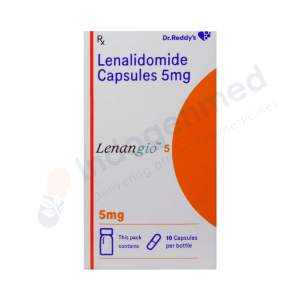
Lenangio 25 mg Capsules
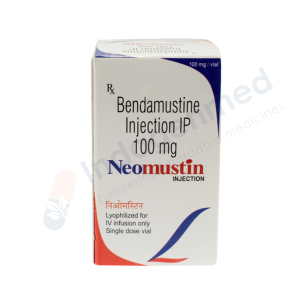
Neomustin 100 mg Injection
Thalix 50 mg Capsules
Xgeva 120 mg Injection
Recently Viewed Products
Table of Contents
Multiple myeloma is a type of blood cancer that begins in plasma cells. Plasma cells are a kind of white blood cell made in the bone marrow (the soft tissue inside bones). In multiple myeloma, abnormal plasma cells proliferate and interfere with normal blood cell production. They can also weaken bones and affect kidney function.
Myeloma can cause problems such as bone damage, anemia, recurrent infections, and kidney damage. Early diagnosis and the right treatment plan can help control the disease, reduce complications, and improve quality of life.
Common symptoms
Symptoms can develop slowly and vary from person to person.
Bone and muscle symptoms
- Bone pain (often back, ribs, hips)
- Weak bones, fractures with minor injury
- Weakness and difficulty walking due to bone or nerve pressure
Blood-related symptoms
- Tiredness and weakness (anemia)
- Frequent infections or slow recovery from illness
- Easy bruising or bleeding in some cases
Kidney and general symptoms
- Increased thirst, dehydration
- Reduced urine output or swelling (in some cases)
- Unexplained weight loss
- Nausea or constipation (sometimes linked to high calcium levels)
Who is at higher risk
Multiple myeloma is more common in:
- Older adults (risk increases with age)
- People with a family history (in some cases)
- People who had a related condition, like MGUS (monoclonal gammopathy), in the past
How doctors diagnose multiple myeloma
Diagnosis is done using a mix of blood tests, urine tests, and bone marrow evaluation.
Common tests
- Complete Blood Count (CBC)
- Kidney function tests and calcium levels
- Serum protein tests (to detect abnormal proteins)
- Urine tests for abnormal proteins
- Bone marrow test (biopsy/aspiration)
- Imaging: X-ray, MRI, CT, or PET scan to check bone damage
Treatment approach
Treatment depends on stage, symptoms, overall health, and kidney function. Many patients need a combination of therapies.
Main treatment options
- Targeted medicines that act on myeloma cells
- Chemotherapy medicines (in some treatment plans)
- Steroids (often used with other medicines)
- Immunotherapy medicines (in selected cases)
- Stem cell transplant (in suitable patients, after specialist evaluation)
- Radiation therapy (sometimes used for painful bone areas or pressure on nerves)
Supportive care during treatment
Supportive care helps reduce complications and improve comfort:
- Pain control and bone-strength support
- Infection prevention guidance
- Treatment for anemia or low blood counts (when needed)
- Kidney-protection and hydration guidance
- Management of high calcium (if present)
When to seek urgent medical help
Get medical help quickly if there is:
- High fever or chills (possible infection)
- Severe bone pain or sudden fracture
- New weakness, numbness, or trouble walking (possible spine/nerve pressure)
- Very low urine output, severe swelling, or confusion (possible kidney issue)
- Unusual bleeding or severe breathlessness
Specialists to consult
- Hematologist / Hemato-oncologist
- Medical oncologist
- Orthopedic specialist (if bone complications occur)
- Nephrologist (if kidney function is affected)
Explore Multiple Myeloma medicines
This category includes medicines used for the treatment of multiple myeloma and for supportive care, chosen as part of a specialist-led treatment plan.