

Ovarian Cancer

Alkacel 5 mg Tablets
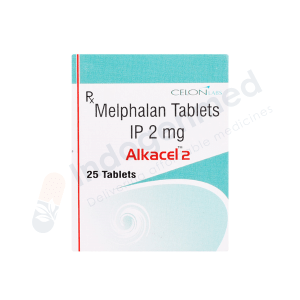
Alkacel Melphalan 2 mg Tablets
Recently Viewed Products
Table of Contents
Ovarian cancer is a cancer that begins in the ovaries (organs that produce eggs and hormones) or sometimes in the fallopian tubes or the lining inside the abdomen (peritoneum). It can be hard to detect early because symptoms may be mild and look like common stomach or hormonal problems. Early diagnosis and correct treatment can improve outcomes.
Ovarian cancer is often diagnosed at a later stage because early symptoms can be unclear. Paying attention to persistent, new, or worsening symptoms is important, especially if they last more than 2–3 weeks.
Common Symptoms
Early signs can be subtle. Symptoms may include:
- Bloating or increased belly size
- Pelvic or lower belly pain
- Feeling full quickly or loss of appetite
- Frequent urination or urgency
- Indigestion, nausea, constipation, or diarrhea
- Unexplained tiredness
- Unexplained weight loss or weight gain
- Back pain
- Irregular bleeding (less common, but possible)
Seek medical help quickly if
- Belly swelling increases fast
- Severe pain with vomiting
- Heavy vaginal bleeding
- Breathing difficulty or extreme weakness
Risk Factors
Ovarian cancer can happen without a clear cause, but risk may increase with:
- Age (more common after 50)
- Family history of ovarian, breast, or related cancers
- Certain inherited gene changes (seen in some families)
- Never being pregnant or having first pregnancy later in life
- Endometriosis (in some cases)
- Long-term hormone therapy after menopause (in some cases)
Types of Ovarian Cancer
Epithelial ovarian cancer
The most common type starts from the surface or nearby tissues.
Germ cell tumors
Less common, often affects younger people.
Stromal tumors
Rare, it can affect hormone levels.
Diagnosis
Doctors may use a combination of tests to confirm the cause of symptoms and check the stage:
Common tests
- Pelvic examination
- Ultrasound (usually the first imaging test)
- CT scan or MRI (to check spread and staging)
- Blood tests like CA-125 (supportive, not a single confirm test)
- Biopsy or surgery sample testing (most important to confirm cancer type)
Treatment
Treatment depends on the cancer type, stage, and overall health.
Surgery
Often, the main treatment is to remove as much of the tumor as possible.
Chemotherapy
Commonly used after surgery, or before surgery in some cases.
Targeted therapy
Used in selected patients based on tumor testing and a specialist plan.
Hormone therapy
Used in selected types of ovarian tumors.
Supportive care
Helps manage symptoms and treatment side effects such as nausea, pain, weakness, and low blood counts.
Follow-up and Monitoring
Regular follow-ups help to:
- Track response to treatment
- Detect recurrence early
- Manage long-term side effects
Doctors may use exams, scans, and blood tests based on your case.
When to seek urgent medical care
Get urgent help if you have:
- Severe belly pain, swelling, or vomiting
- Fever during treatment
- Bleeding that does not stop
- Sudden breathlessness or chest pain
- Confusion, fainting, or extreme weakness
Specialists to Consult
- Gynecologist
- Gynecologic oncologist
- Medical oncologist
- Radiation oncologist (in selected cases)
If you want, I can also write a shorter version for the top of the category page and a longer version for below the product list.