

Psychiatric Care
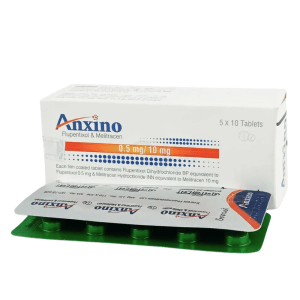
Anxino 0.5/10 mg Tablets
Recently Viewed Products
Table of Contents
Psychiatric care focuses on conditions that affect mood, thoughts, emotions, behavior, and daily functioning. Mental health problems are common and can happen due to stress, life events, genetics, brain chemistry changes, long-term medical illness, or substance use. With the right support, many people improve and live a healthy, stable life.
This category includes medicines commonly used to help manage mental health conditions such as depression, anxiety, panic disorder, bipolar disorder, schizophrenia, OCD, PTSD, and sleep-related problems, as advised by a qualified healthcare professional. Treatments may be short-term for some people and long-term for others, depending on the condition and response.
What this category covers
Depression and low mood
Medicines that help improve mood, energy, interest, and daily functioning in clinical depression.
Anxiety and panic
Options used to reduce constant worry, physical anxiety symptoms (like fast heartbeat), and panic attacks.
Bipolar disorder (mood swings)
Medicines that help stabilize mood and prevent extreme highs (mania) and lows (depression).
Psychosis and schizophrenia
Medicines that help reduce symptoms like hallucinations, delusions, severe confusion, and disturbed thinking.
OCD and intrusive thoughts
Treatments used to reduce unwanted thoughts and repetitive behaviors that interfere with daily life.
PTSD and trauma-related symptoms
Support therapies used to reduce fear, flashbacks, sleep issues, and emotional distress after trauma.
Sleep and behavioral support
Some medicines are used for sleep problems, agitation, or severe restlessness, based on diagnosis.
Common symptoms people look for help with
- Ongoing sadness, hopelessness, or loss of interest
- Excess worry, fear, or panic attacks
- Mood swings, irritability, or sudden behavior changes
- Sleep problems (insomnia or too much sleep)
- Low focus, poor memory, or mental fatigue
- Hearing/seeing things others don’t (hallucinations)
- Strong suspicious thoughts or confusion
- Repeating actions/thoughts that feel uncontrollable
- Social withdrawal, low motivation, or poor daily functioning
Important safety notes
Psychiatric medicines work best when taken regularly and exactly as prescribed. Many of these medicines take time to show full benefit, and stopping suddenly can cause withdrawal symptoms or relapse. Always talk to a doctor before changing the dose.
Some medicines can cause side effects like sleepiness, dizziness, weight changes, or stomach upset. Avoid alcohol unless your doctor confirms it is safe, and be careful with driving if you feel drowsy.
When to seek urgent help
Get immediate help if you or someone else has:
- Thoughts of self-harm or suicide
- Severe confusion, aggression, or inability to stay safe
- Hallucinations with risky behavior
- Sudden severe mood changes with no sleep for days
- Overdose or dangerous medication reaction
Explore Psychiatric Care products
Browse this category to find treatment options for mood, anxiety, sleep, and serious mental health conditions. Choose products based on professional guidance for safe and effective care.