



Rare Diseases
- Chronic Conditions
- Chronic Kidney Disease
- Contraception
- Hair Fall Control
- Hepatitis C DAAs
- OBESITY
- Pulmonary Hypertension (Rx)
- Uncategorized
- Chronic Care
- Men's Health & Wellness
- Personal Care
- Speciality Medicines
- Wellness & Nutrition
- Women’s Health & Wellness
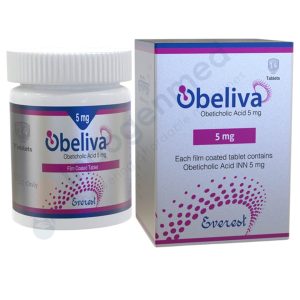
Obeliva 5 Mg Tablets
Recently Viewed Products
Table of Contents
Rare diseases are health conditions that affect a small number of people compared to common illnesses. Many rare diseases are genetic (inherited), while others may develop due to immune system problems, infections, or unknown causes.
Because these conditions are uncommon, diagnosis can take time, and patients may need care from specialist doctors and long-term follow-up.
This category includes medicines and supportive products used to manage rare diseases, based on specialist advice. Treatments may be highly specific and may require careful dosing, monitoring, and special storage.
Why rare disease care is important
Rare diseases can affect many parts of the body and may be long-lasting. Early diagnosis and the right treatment plan can help:
- Slow disease progression
- Manage symptoms and prevent complications
- Improve daily functioning and quality of life
- Support better long-term outcomes
What you may find in this category
Genetic and metabolic disorders
Conditions in which the body cannot properly process certain substances, leading to long-term health problems.
Blood and bone marrow disorders
Rare conditions that affect blood cells, clotting, or bone marrow function.
Rare autoimmune and inflammatory diseases
Conditions in which the immune system attacks healthy tissues, leading to ongoing inflammation.
Rare neurological disorders
Uncommon diseases affecting the brain, nerves, muscles, or movement.
Rare endocrine disorders
Conditions affecting hormone glands (such as the adrenal or pituitary glands) can affect energy, growth, and metabolism.
Common challenges with rare diseases
- Symptoms may look like common illnesses at first
- A correct diagnosis may need specialized tests
- Treatment is often long-term and needs regular monitoring
- Medicines can be high-precision and must be used correctly
Important safety notes
- Do not change the dose or stop medicines without specialist advice
- Regular lab tests may be required to monitor safety and response
- Some medicines may affect immunity and increase infection risk
- Storage instructions are important for many rare disease medicines
When to seek urgent medical help
Get help quickly if there is:
- Sudden worsening of symptoms
- Breathing trouble, severe weakness, or fainting
- High fever or signs of infection
- Severe allergic reaction after taking a medicine
- Unusual bleeding or bruising
Explore Rare Disease products
Browse this category to find medicines and support options for rare and complex conditions, chosen based on specialist guidance and careful monitoring.