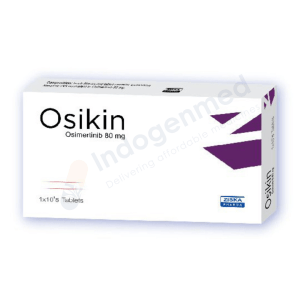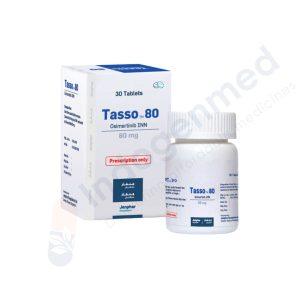

Osimertinib, a revolutionary drug in treating EGFR-mutant non-small cell lung cancer (NSCLC), is making waves in oncology. Osimertinib, also known as Tagrisso. Developed initially as a second-line treatment for patients with resistant forms of lung cancer, Osimertinib has gained importance as a first-line therapy in recent years. With its ability to target specific mutations and prolong survival, Osimertinib transforms the management of EGFR-mutated lung cancer. In 2024, the trend of using Osimertinib as a first-line treatment continues to rise, supported by significant clinical trials and updated FDA approvals.
What is Osimertinib?
Osimertinib (Tagrisso) is a third-generation tyrosine kinase inhibitor (TKI) specifically designed to target mutations in the epidermal growth factor receptor (EGFR), mutations which occur in about 10-15% of lung cancer cases in the United States and up to 30-50% in Asia. These mutations cause cancer cells to grow and spread aggressively, making treatment challenging. Unlike earlier generations of EGFR inhibitors, Osimertinib is effective against both EGFR sensitizing mutations and T790M resistance mutations, making it a critical option for patients with advanced lung cancer.
The Shift: From Second-Line to First-Line Treatment
Initially, Osimertinib was used as a second-line treatment for patients whose cancer had developed resistance to earlier treatments, particularly those with the T790M mutation. However, in 2018, the FDA approved Osimertinib as a first-line treatment for patients with EGFR-mutated non-small cell lung cancer based on results from the pivotal FLAURA trial.
FLAURA Trial: Paving the Way for First-Line Use
- Median progression-free survival (PFS) was significantly longer with Osimertinib (18.9 months) than with standard treatments (10.2 months).
- Overall survival (OS) also showed a substantial improvement, with Osimertinib reducing the risk of death by 52%.
- These results led to the FDA’s approval of Osimertinib for first-line treatment in patients with EGFR-mutant NSCLC, marking a new era in personalized cancer therapy.
Osimertinib vs. Other EGFR Inhibitors
| Feature | Osimertinib (Tagrisso) | Gefitinib (Iressa) | Erlotinib (Tarceva) | Afatinib (Gilotrif) |
| Target | EGFR (T790M Mutation) | EGFR | EGFR | EGFR + HER2 |
| FDA Approval | Yes (2015) | Yes (2003) | Yes (2004) | Yes (2013) |
| First-line Use | Yes (for NSCLC) | Yes | Yes | Yes |
| Overall Survival (Median) | 38.6 months (FLAURA trial) | 18.8 months (IPASS trial) | 19.3 months (OPTIMAL trial) | 28.2 months (LUX-Lung 7) |
| PFS (Progression-Free Survival) | 18.9 months (FLAURA) | 9.5 months (IPASS) | 13.1 months (OPTIMAL) | 11.0 months (LUX-Lung 7) |
| Side Effects | Diarrhea, rash, dry skin | Diarrhea, rash | Diarrhea, rash | Diarrhea, rash |
| Common Dosage | 80 mg once daily | 250 mg once daily | 150 mg once daily | 40 mg once daily |
| Main Use | Advanced or metastatic NSCLC with EGFR T790M mutation | First-line for EGFR mutations | First-line for EGFR mutations | First-line for EGFR mutations and HER2 |
Benefits of Using Osimertinib as a First-Line Therapy
- Targeted Action: It selectively targets the mutated EGFR, reducing damage to healthy cells.
- Reduced Side Effects: Osimertinib is generally better tolerated than earlier EGFR-TKIs, with fewer severe side effects.
- Prolonged Survival: As shown in clinical trials, Osimertinib extends both progression-free and overall survival compared with older treatments.
- Central Nervous System (CNS) Efficacy: Osimertinib has been shown to effectively penetrate the blood-brain barrier, making it a superior choice for patients with brain metastases.
FDA Approvals and Updates
FDA Approval Update for 2024
Challenges and Considerations
- Cost: Osimertinib is expensive, and affordability can be a concern for patients without comprehensive insurance.
- Resistance Development: While Osimertinib is highly effective, some patients eventually develop resistance to the drug. Ongoing research is focused on overcoming this issue by combining Osimertinib with other therapies.
- Monitoring and Side Effects: Although well-tolerated, patients still need regular monitoring for side effects, including cardiomyopathy and QT interval prolongation.
Future Outlook: What’s Next for Osimertinib?
Final Thoughts
Sources:
ASCOPost: FDA Approvals for Osimertinib