



Respiratory Care
- Chronic Conditions
- Chronic Kidney Disease
- Contraception
- Hair Fall Control
- Hepatitis C DAAs
- OBESITY
- Uncategorized
- Chronic Care
- Men's Health & Wellness
- Personal Care
- Speciality Medicines
- Wellness & Nutrition
- Women’s Health & Wellness

Sinlair 10 Mg Tablets
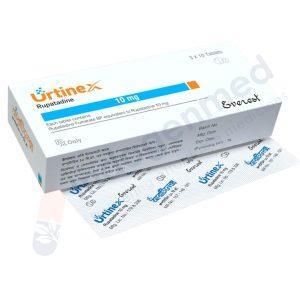
Urtinex 10 Mg Tablets
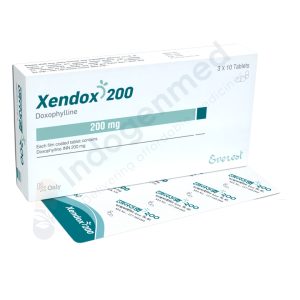
Xendox 200 Mg Tablets
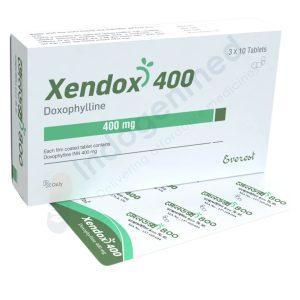
Xendox 400 Mg Tablets
Recently Viewed Products
Table of Contents
Respiratory care focuses on the health of your lungs and airways, which help your body take in oxygen and remove carbon dioxide. Breathing problems can happen due to infections, allergies, pollution, smoking, weather changes, or long-term conditions like asthma and COPD. Some issues are short-term (like a cold), while others require ongoing treatment to keep symptoms under control.
This category includes medicines commonly used to manage cough, cold, sore throat, allergies, asthma, bronchitis, and breathing discomfort, as recommended by medical professionals. Products may include inhalers, tablets, syrups, sprays, and nebulizer solutions, depending on the condition.
What this category covers
Cough and cold
Medicines that help relieve cough, congestion, runny nose, sneezing, and throat irritation.
Allergy and sinus support
Treatments used for allergic rhinitis, sinus pressure, watery eyes, and nasal blockage.
Asthma and wheezing
Medicines that help open the airways and reduce inflammation to control wheezing, chest tightness, and shortness of breath.
COPD and chronic breathing issues
Support medicines used to improve airflow and reduce flare-ups in chronic lung conditions (usually long-term care).
Chest congestion and mucus
Options that help loosen mucus and make it easier to clear the chest.
Common symptoms people look for help with
- Cough (dry or with mucus)
- Blocked nose, sneezing, runny nose
- Sore throat or irritation
- Wheezing or whistling sound while breathing
- Shortness of breath or chest tightness
- Frequent chest infections
- Sinus pressure or headaches due to congestion
Tests doctors may suggest (if symptoms are recurring or severe)
- Chest X-ray
- Spirometry/lung function test (for asthma/COPD)
- Allergy tests (in selected cases)
- Oxygen levels check (pulse oximeter)
- Blood tests if infection is suspected
Important safety notes
Breathing symptoms can have different causes. A cough can be caused by an infection, allergy, asthma, acid reflux, or smoking, and treatment may differ. Avoid overusing inhalers or taking antibiotics without medical advice.
If you have asthma/COPD, use inhalers exactly as prescribed and learn the correct inhaler technique for better results.
When to seek urgent medical care
Get urgent help if you have:
- Severe breathing difficulty or blue lips
- Chest pain with shortness of breath
- High fever with fast breathing or worsening cough
- Wheezing not improving with prescribed rescue medicine
- Very low oxygen levels
- Coughing blood
Explore Respiratory products
Browse this category to find options for cough, allergy relief, inhaler-based breathing support, and chest congestion care, and choose based on your symptoms and professional medical guidance.