

Speciality Medicines
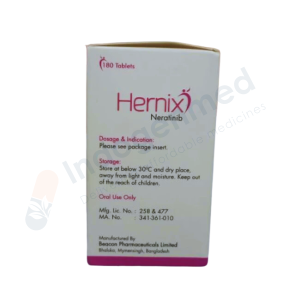
Hernix 40 mg Tablets
Recently Viewed Products
Table of Contents
Specialized treatments for complex, rare, and chronic medical conditions
Speciality medicines are treatments used for serious, complex, or chronic medical conditions that often need specialist supervision. These medicines are usually different from regular daily medicines because they may require strict monitoring, specific storage (sometimes refrigeration), careful dosing schedules, and regular follow-up tests to check safety and effectiveness.
Many specialty medicines are used when a condition needs targeted therapy, immune control, or long-term disease management. They may be available as tablets, injections, infusions, or specialty devices, depending on the treatment.
Why speciality medicines are important
Speciality medicines can help:
- Control disease progression
- Reduce severe symptoms and complications
- Improve quality of life in long-term conditions
- Support better outcomes in serious illnesses
Because they can strongly affect the body (especially the immune system), they are typically prescribed and monitored by specialists.
Oncology and targeted cancer therapy
Medicines used for different cancers, including targeted therapies and supportive oncology medicines.
Immunology and autoimmune diseases
Treatments for conditions where the immune system attacks the body, such as rheumatoid arthritis, psoriasis, lupus, inflammatory bowel disease, and others.
Transplant medicines
Medicines are used to prevent organ rejection after transplant and manage immune suppression.
HIV and chronic infections
Long-term therapies are used to control viral infections like HIV and certain hepatitis treatments.
Neurology specialty treatments
Medicines are used for complex neurological diseases such as multiple sclerosis and other long-term nerve conditions.
Hormonal and rare disorder treatments
Special treatments for hormonal conditions or rare diseases that need specialist care.
Important safety notes
- Many speciality medicines need regular monitoring tests (blood counts, liver/kidney tests, etc.).
- Do not stop or change dose without medical advice.
- Some medicines can reduce immunity, increasing infection risk.
- Storage matters: some medicines must be kept cold and protected from light.
- Always inform your doctor about other medicines you take to avoid interactions.
When to contact a doctor urgently
Seek medical help quickly if you have:
- High fever, chills, or signs of infection
- Severe allergic reaction (swelling, breathing trouble, rash)
- Unusual bleeding or bruising
- Severe weakness, chest pain, or breathlessness
- Any sudden, serious side effects after starting treatment
Explore Specialty Medicines
Browse this category to find advanced treatment options for complex health conditions, and choose products based on specialist guidance and proper monitoring.