Thyroid Cancer
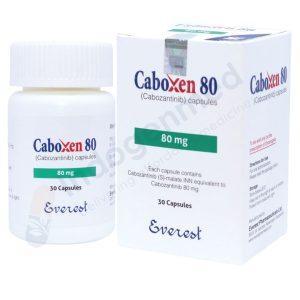
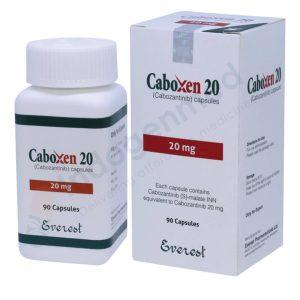
Caboxen 20 mg Capsules
Hepanib 200 mg Tablets
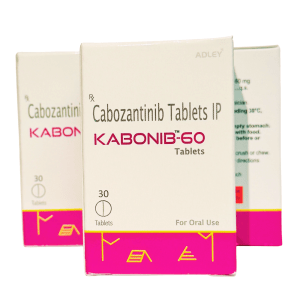
Kabonib 60 mg Tablets
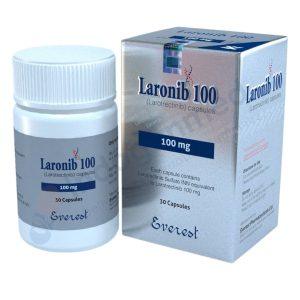
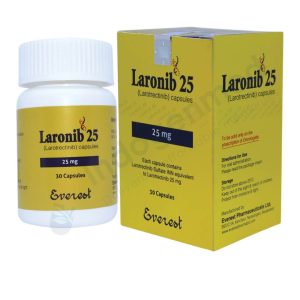
Laronib 100 mg Capsules
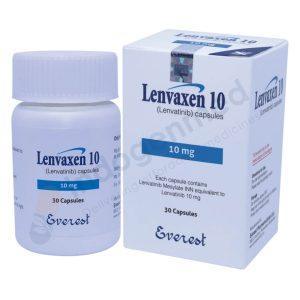
Lenvaxen 10 mg Capsules
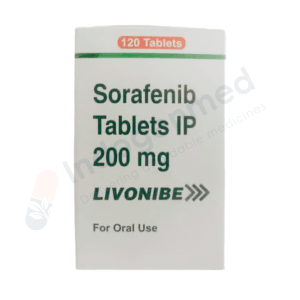
Livonibe 200 mg Tablets
Sorafenat 200 mg Tablets
Verzenio 150 mg Tablets
Recently Viewed Products
Table of Contents
Thyroid cancer is a cancer that begins in the thyroid, a butterfly-shaped gland in the front of the neck. The thyroid makes hormones that control metabolism, energy, heart rate, and body temperature. Many thyroid cancers grow slowly and are treatable, especially when detected early.
Thyroid nodules (lumps) are common, and most are not cancerous. But a nodule that grows, changes, or causes symptoms should be checked. Early diagnosis helps doctors choose the best treatment and lowers the risk of spread.
Types of thyroid cancer
Papillary thyroid cancer
The most common type. Usually grows slowly and often responds well to treatment.
Follicular thyroid cancer
Also common and usually treatable. In some cases, it may spread through the bloodstream.
Medullary thyroid cancer
Less common. It can be linked to genetic conditions in some families.
Anaplastic thyroid cancer
Rare and fast-growing. Needs urgent specialist care.
Common symptoms
Early thyroid cancer may not cause symptoms. When symptoms occur, they may include:
- A lump or swelling in the front of the neck
- Neck discomfort or pain (sometimes)
- Hoarseness or voice changes that do not improve
- Difficulty swallowing
- Breathing difficulty or a feeling of pressure in the neck
- Enlarged lymph nodes in the neck
Risk factors
Thyroid cancer risk may be higher with:
- Previous radiation exposure to the head/neck area
- Family history of thyroid cancer (especially medullary type)
- Certain inherited genetic syndromes (in some cases)
- Being female (thyroid nodules are more common; cancer can occur in both)
- Increasing age (risk pattern depends on type)
How thyroid cancer is diagnosed
Doctors usually use a combination of:
Neck examination and ultrasound
Ultrasound helps assess thyroid nodules and lymph nodes.
Fine needle aspiration (FNA) biopsy
A small needle is used to collect cells from the nodule to check for cancer.
Blood tests
Thyroid function tests may be checked. Special markers may be used in selected cases (for example, medullary cancer).
Imaging for staging (if needed)
CT/MRI or other scans may be advised if spread is suspected.
Treatment
Treatment depends on the type, size, and spread of cancer.
Surgery
Often, the main treatment. Doctors may remove part or all of the thyroid and sometimes nearby lymph nodes.
Radioactive iodine therapy
Used in selected thyroid cancers after surgery to destroy remaining thyroid tissue or cancer cells.
Thyroid hormone therapy
Used after surgery to replace hormones and, in some cases, help reduce cancer stimulation.
Targeted therapy or other advanced treatments
Used in selected cases, especially when cancer is advanced or not responding to standard therapy.
Radiation or chemotherapy
Used in some specific situations and cancer types, based on the specialist's decision.
Follow-up and monitoring
Thyroid cancer often needs long-term follow-up to check for recurrence and to keep thyroid hormone levels in the right range. Monitoring may include blood tests, ultrasound, and scans as advised.
When to seek urgent medical help
Get medical help quickly if you have:
- Rapidly growing neck swelling
- Breathing difficulty or noisy breathing
- Trouble swallowing is worsening
- New severe hoarseness
- Swelling of neck lymph nodes with fever or severe pain
Specialists to consult
- Endocrinologist
- ENT specialist (head and neck surgeon)
- Surgical oncologist
- Medical oncologist (advanced cases)
Explore Thyroid Cancer care
Browse this category for medicines and supportive care used during thyroid cancer treatment and recovery, chosen as part of a specialist-led plan.