

Transplant & Immunology
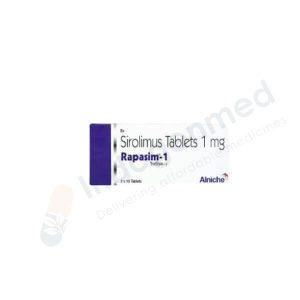
Rapasim 1 mg tablet
Recently Viewed Products
Table of Contents
Medicines for organ transplant care and immune system regulation and protection
Transplant & Immunology focuses on medicines used to manage the immune system—especially for people who have had an organ transplant or who live with autoimmune and inflammatory diseases.
The immune system normally protects the body from infections, but in some conditions it becomes overactive, attacking healthy tissues, or it may reject a transplanted organ. This is why immune-control medicines are important.
This category includes medicines used to prevent organ rejection, reduce harmful inflammation, and help maintain long-term health under specialist supervision.
Why are these medicines important
After a transplant, the body may see the new organ as foreign and try to reject it. Immunology medicines help the body accept the transplanted organ and keep it working properly. In autoimmune diseases, these medicines help calm the immune response, reduce flare-ups, and protect organs from long-term damage.
Because these medicines affect immunity, they usually need regular monitoring, correct dosing, and careful follow-up.
What you may find in this category
These medicines reduce the immune response so the body does not attack the transplanted organ (kidney, liver, heart, etc.). They are often taken long-term.
Immunosuppressants and immune modulators
Used to control autoimmune and inflammatory conditions like rheumatoid arthritis, lupus, psoriasis, inflammatory bowel disease, and others (specialist-guided).
Steroid medicines (in selected cases)
Used to reduce inflammation quickly during flare-ups or in transplant-related care, usually in carefully controlled doses.
Supportive medicines
Some patients may also need medicines to prevent infections or protect organs while on immunosuppressant therapy, as advised by the doctor.
Important safety notes
- Take these medicines exactly on time. Missing doses can increase rejection risk (for transplant patients) or cause flare-ups (in autoimmune disease).
- Do not stop suddenly without doctor advice.
- Regular tests are often required (blood counts, liver/kidney function, drug levels in some medicines).
- These medicines can increase infection risk. Report fever, sore throat, cough, or unusual symptoms early.
- Tell your doctor about all medicines and supplements to avoid interactions.
When to seek urgent medical help
Get medical help quickly if you have:
- Fever, chills, or signs of infection
- Severe weakness, breathlessness, or chest pain
- Unusual bruising or bleeding
- Yellowing of skin/eyes, severe stomach pain
- Swelling of face/lips or breathing trouble (possible allergy)
- Sudden decrease in urine, swelling, or weight gain (possible organ issue)
Explore Transplant & Immunology products
Browse this category to find medicines used for anti-rejection care and immune control, chosen based on specialist guidance and proper monitoring.