Blood Cancer

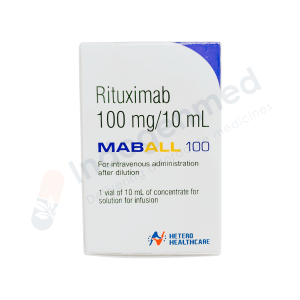
Maball 100 mg Injection

Manufacturer: Hetero Drugs
Molecule: Rituximab
Ask for PriceAsk for Price

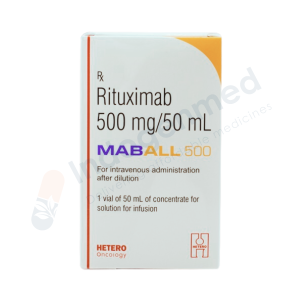
Maball 500 mg Injection

Manufacturer: Hetero Drugs
Molecule: Rituximab
Original price was: $330.55.Current price is: $297.75.

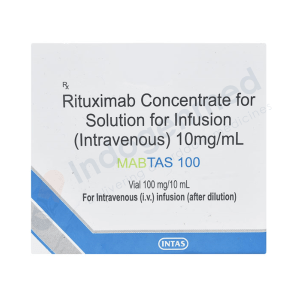
Mabtas 100 mg Injection

Manufacturer: Intas Pharmaceuticals
Molecule: Rituximab
Ask for PriceAsk for Price
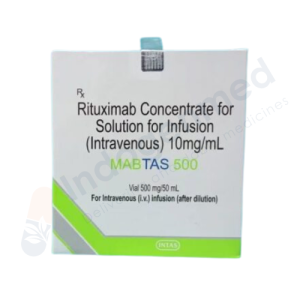
Mabtas 500 mg Injection

Manufacturer: Intas Pharmaceuticals
Molecule: Rituximab
Ask for PriceAsk for Price

Recently Viewed Products

Table of Contents

Blood cancers are a group of cancers that start in the blood-forming tissues (bone marrow) or the immune system (lymph nodes and the lymphatic system). In blood cancers, abnormal cells grow out of control and prevent the body from making normal blood cells.

This can lead to low immunity, anemia, bleeding problems, and swelling of lymph nodes.

Types of Blood Cancer

Leukemia

Starts in the bone marrow and affects white blood cells. It can be acute (fast-growing) or chronic (slow-growing).

Lymphoma

Starts in the lymphatic system (lymph nodes and the spleen). Common types include Hodgkin lymphoma and non-Hodgkin lymphoma.

Multiple Myeloma

Starts in plasma cells (a type of white blood cell) in the bone marrow and can affect bones and kidney function.

Common Symptoms

Symptoms can be different for each type, but common signs include:

  • Feeling very tired or weak
  • Frequent infections or fever
  • Easy bruising or bleeding (nosebleeds, gum bleeding)
  • Pale skin (anemia)
  • Unexplained weight loss
  • Night sweats
  • Swollen lymph nodes (neck, armpit, groin)
  • Bone pain or back pain (more common in myeloma)
  • Shortness of breath or dizziness

Risk Factors

Blood cancer can happen without any clear cause, but risk may be higher with:

  • Increasing age (depends on type)
  • Family history of blood cancers
  • Past exposure to radiation or certain chemicals
  • Weak immune system or some long-term infections
  • Previous chemotherapy or radiation therapy (in some cases)

How Blood Cancer is Diagnosed

Doctors usually confirm blood cancer using a mix of tests:

Common tests

  • Complete Blood Count (CBC)
  • Peripheral blood smear
  • Bone marrow test (biopsy/aspiration)
  • Flow cytometry and genetic tests (to identify the type)
  • Imaging tests (CT, PET, MRI) for lymphoma or spread
  • Kidney function tests, calcium, and protein tests (often in myeloma)

Treatment Options

Treatment depends on the type, stage, and overall health.

Chemotherapy

Medicines that kill cancer cells or stop them from multiplying.

Targeted therapy

Medicines that attack specific markers on cancer cells.

Immunotherapy

Treatments that help the immune system fight cancer.

Radiation therapy

Used in selected cases, especially some lymphomas.

Stem cell or bone marrow transplant

Used in certain cases to replace damaged bone marrow with healthy cells.

Supportive care

Medicines and care to manage complications like infections, anemia, low platelets, nausea, and pain.

Possible Complications

Blood cancer and its treatment can lead to:

  • Severe infections
  • Low hemoglobin (anemia)
  • Low platelets cause bleeding
  • Bone weakness or fractures (especially in myeloma)
  • Kidney problems (in some cases)

When to Seek Urgent Medical Help

Get medical help quickly if you have:

  • High fever, chills, or signs of infection
  • Bleeding that does not stop
  • Blood in vomit, urine, or stool
  • Severe weakness, fainting, or breathlessness
  • Sudden severe bone pain, confusion, or severe headache

Explore Blood Cancer Care

This category includes medicines used for blood cancer treatment and supportive care during therapy, selected based on a specialist treatment plan.