



Lymphoma
- Chronic Conditions
- Chronic Kidney Disease
- Contraception
- Hair Fall Control
- Hepatitis C DAAs
- OBESITY
- Uncategorized
- Chronic Care
- Men's Health & Wellness
- Personal Care
- Speciality Medicines
- Wellness & Nutrition
- Women’s Health & Wellness
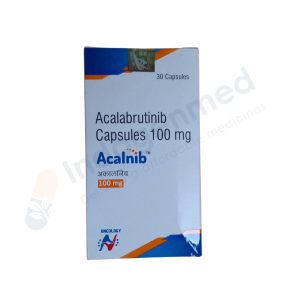
Acalnib 100 Mg Capsule
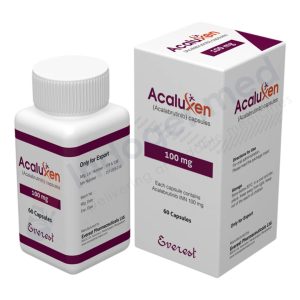
Acaluxen 100 Mg Capsules
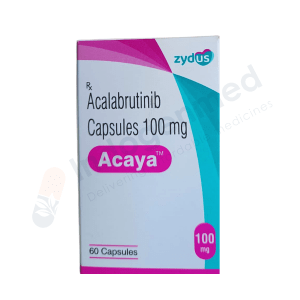
Acaya 100 Mg Capsule
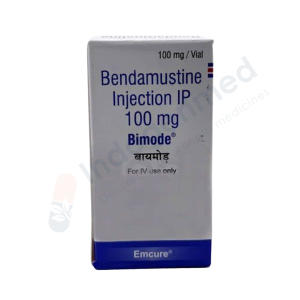
Bimode 100 Mg Injection

Bortecad 2.5mg Injection
Bortecad 2mg Injection
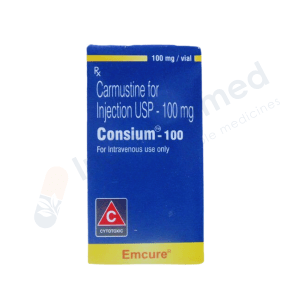
Doxoget 10mg Injection
Doxoget 50mg Injection
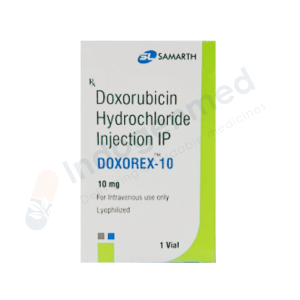
Doxorex 10 Mg Injection
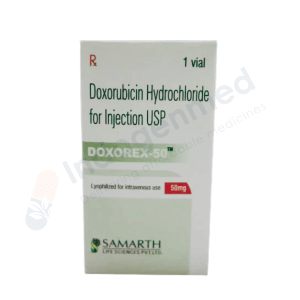
Doxorex 50 Mg Injection
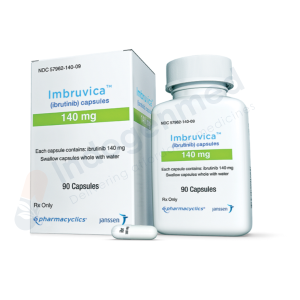
Imbruvica 140 Mg Capsules
Recently Viewed Products
Table of Contents
Lymphoma is a type of cancer that starts in the lymphatic system, which is part of the body’s immune system. The lymphatic system includes lymph nodes (glands), spleen, bone marrow, and lymph vessels. In lymphoma, abnormal white blood cells (lymphocytes) grow out of control and may collect in lymph nodes or other organs.
Lymphoma is different from leukemia, but both are blood-related cancers. Many lymphomas are treatable, especially when diagnosed early and managed under specialist care.
Types of Lymphoma
Hodgkin Lymphoma (HL)
A type of lymphoma that often starts in the lymph nodes of the neck or chest and spreads in a more predictable pattern.
Non-Hodgkin Lymphoma (NHL)
A larger group of lymphomas with many subtypes. Some grow slowly (indolent), and some grow fast (aggressive). Treatment depends on the exact subtype.
Common Symptoms
Symptoms can vary, but common signs include:
- Swollen lymph nodes (neck, armpit, groin) that are usually painless
- Fever without a clear reason
- Night sweats
- Unexplained weight loss
- Feeling very tired or weak
- Itching (sometimes)
- Frequent infections (in some cases)
- Chest discomfort or cough (if lymph nodes in the chest are enlarged)
- Belly fullness or swelling (if spleen is enlarged)
When to get checked quickly
- A swelling in the neck/armpit/groin that lasts more than 2–3 weeks
- Fever and night sweats with weight loss
- Shortness of breath, chest pain, or fast worsening weakness
Risk Factors
Lymphoma can occur without a clear cause, but risk may be higher with:
- Increasing age (depends on subtype)
- Weak immune system (for example, HIV or long-term immune-suppressing medicines)
- Certain infections are linked with some lymphoma types
- Family history (less common)
- Past exposure to radiation or certain chemicals (in some cases)
Diagnosis
Doctors confirm lymphoma by testing the lymph node or tissue.
Common tests
- Physical examination (checking lymph nodes, spleen)
- Blood tests (CBC and others)
- Imaging: CT scan, PET-CT, MRI (to check spread)
- Biopsy (the most important test to confirm type)
- Bone marrow test (in selected cases)
- Special lab tests on biopsy sample (to identify subtype)
Treatment
Treatment depends on the type and stage of the lymphoma, as well as how quickly it is growing.
Chemotherapy
Commonly used in many lymphoma types.
Immunotherapy / targeted therapy
Some medicines target lymphoma cells more specifically, often used along with chemotherapy or in specific subtypes.
Radiation therapy
Used in selected cases, especially early-stage or localized disease.
Stem cell transplant
Used in some cases when lymphoma returns or is high-risk.
Supportive care
Medicines for nausea, infection prevention, blood count support, and pain control during treatment.
Follow-up and Monitoring
After treatment, regular follow-ups are important to:
- Check for remission status
- Detect recurrence early
- Manage long-term side effects of therapy
When to Seek Urgent Medical Help
Get medical help quickly if you have:
- High fever or chills (especially during treatment)
- Bleeding that does not stop or unusual bruising
- Severe breathlessness or chest pain
- Confusion, fainting, or extreme weakness
- Rapidly increasing swelling or severe pain
Specialists to Consult
- Hematologist / Hemato-oncologist
- Medical oncologist
- Radiation oncologist (if needed)
Explore Lymphoma Care
This category includes medicines used in the treatment of lymphoma and in supportive care, selected as part of a specialist treatment plan.