
Description
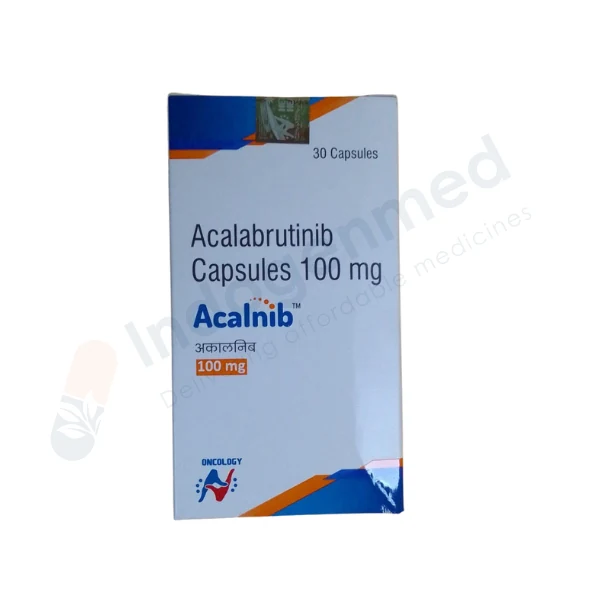
Comprehensive Guide to Acalnib 100mg Capsule (Acalabrutinib)
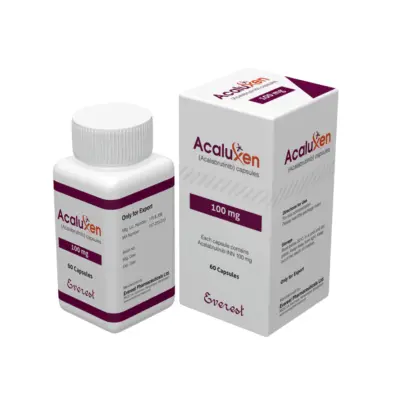
Acalnib 100mg Capsule is an advanced, targeted anti-cancer medication classified as a Bruton’s tyrosine kinase (BTK) inhibitor. Manufactured by Hetero Healthcare Ltd., it contains the active pharmaceutical ingredient acalabrutinib.
Acalnib is designed to treat specific B-cell malignancies—cancers that originate in a type of white blood cell called B-lymphocytes. Unlike traditional cytotoxic chemotherapy, which impacts rapidly dividing healthy cells along with cancer cells, Acalnib offers a precision approach by directly targeting the specific molecular signal that B-cell cancers need to survive and multiply.
What is Acalnib 100mg and How Does It Work?
B-lymphocytes are vital components of the immune system responsible for generating antibodies. In certain blood cancers, these cells develop genetic mutations that cause them to multiply uncontrollably, accumulating in the lymph nodes, bone marrow, and spleen.
Mechanism of Action
Acalnib (acalabrutinib) works by selectively blocking Bruton’s tyrosine kinase (BTK), an essential enzyme in the B-cell receptor signaling pathway:
-
Selective BTK Binding: Acalabrutinib forms a covalent bond with a specific residue (Cys481) in the active site of the BTK enzyme.
-
Signal Disruption: Blocking BTK shuts off downstream signaling pathways (such as NF-κB and ERK) that malignant B-cells depend on for growth, adhesion, and survival.
-
Tumor Reduction: Without continuous BTK signals, cancerous B-cells stop proliferating, detach from protective lymph node microenvironments, and undergo programmed cell death (apoptosis).
Because Acalnib is a second-generation BTK inhibitor, it has higher selectivity for BTK compared to older targeted therapies. This minimized off-target inhibition helps reduce certain severe side effects, such as persistent diarrhea and severe bleeding.
Approved Indications
Acalnib 100mg Capsule is prescribed under specialist oncology supervision for adult patients with the following B-cell blood cancers:
-
Chronic Lymphocytic Leukemia (CLL) & Small Lymphocytic Lymphoma (SLL): Used as a single agent or in combination with other anti-cancer drugs for both newly diagnosed patients and those whose cancer has returned (relapsed) or failed to respond to prior therapies.
-
Mantle Cell Lymphoma (MCL): Prescribed for adult patients with mantle cell lymphoma who have received at least one prior therapy.
Standard Dosage and Administration Guidelines
Acalnib 100mg should be taken strictly according to your oncologist’s instructions. Do not alter doses or stop treatment without medical guidance.
Dosage & Frequency
-
Standard Adult Dose: The typical recommended dose is 100 mg taken orally twice daily (approximately 12 hours apart).
-
Administration: Swallow the capsule whole with a full glass of water. Do not chew, crush, break, or open the capsule, as this can affect how the drug is absorbed in your body.
-
Food Considerations: Acalnib can be taken with or without food.
[Morning Dose: 100mg Capsule] ---> Space ~12 Hours ---> [Evening Dose: 100mg Capsule]
Managing Interactions with Stomach Acid Reducers
Acalabrutinib requires an acidic stomach environment to dissolve and absorb properly. Taking acid-reducing medications can significantly decrease its effectiveness:
-
Antacids (e.g., Calcium Carbonate, Magnesium Hydroxide): Take Acalnib at least 2 hours before or 2 hours after taking antacids.
-
H2-Receptor Blockers (e.g., Famotidine): Take Acalnib 2 hours before or 10 hours after taking an H2-blocker.
-
Proton Pump Inhibitors / PPIs (e.g., Omeprazole, Pantoprazole): Avoid co-administration with PPIs whenever possible, as their long-lasting acid-suppression can prevent Acalnib from absorbing properly.
Missed Dose Instructions
If you miss a dose by less than 3 hours, take it immediately and continue with your normal schedule. If you are more than 3 hours late, skip the missed dose entirely and take the next dose at your regularly scheduled time. Never double up on doses.
Potential Side Effects and Management Strategies
While Acalnib is generally better tolerated than conventional chemotherapy, it can still produce side effects that require monitoring.
Common Side Effects
-
Headaches: Frequently reported during the first few weeks of treatment; usually mild and resolve over time.
-
Gastrointestinal Changes: Mild diarrhea, nausea, abdominal discomfort, or constipation.
-
Musculoskeletal Pain: Aching joints, muscle spasms, or back pain.
-
Fatigue: General tiredness or low physical energy.
-
Cytopenias: Decreased red blood cells (anemia), white blood cells (neutropenia), or blood platelets (thrombocytopenia).
Serious Adverse Reactions (Seek Immediate Medical Attention)
-
Severe Hemorrhage / Bleeding: Major bleeding events (including gastrointestinal or intracranial bleeding) can occur. Report unusual bruising, frequent nosebleeds, blood in urine/stools, or coughing up blood immediately.
-
Serious Infections: Increased susceptibility to bacterial, viral, or fungal infections (such as pneumonia or sepsis). Contact your care team if you experience a fever above 100.4°F (38°C), chills, or a persistent sore throat.
-
Cardiac Arrhythmias: Atrial fibrillation and atrial flutter have been reported. Seek emergency care for a racing or irregular heartbeat, dizziness, faintness, or chest discomfort.
-
Second Primary Malignancies: Skin cancers (such as basal cell or squamous cell carcinomas) can develop during treatment.
Clinical Safety Monitoring Protocols
To ensure safety throughout your treatment course, your oncologist will order regular lab tests and physical evaluations.
Essential Routine Monitoring
| Test Category | Recommended Frequency | Purpose |
| Complete Blood Count (CBC) | Monthly (or as clinically indicated) | Monitors for neutropenia, anemia, and thrombocytopenia to prevent severe infection or bleeding risks. |
| Cardiac & BP Check | Regular clinic visits | Tracks blood pressure and checks for signs of atrial fibrillation or heart rhythm changes. |
| Dermatological Exams | Periodic skin checks | Checks for signs of secondary skin cancers. Patients are advised to wear SPF 30+ sunscreen and protective clothing. |
| Liver & Kidney Function | Periodic blood panels | Ensures proper drug excretion and guards against organ stress. |
Important Precautions & Drug Interactions
Surgical Procedures
Because Acalnib inhibits platelet function and increases bleeding risks, it must be paused prior to elective surgical, medical, or dental procedures.
-
Your oncologist will typically instruct you to withhold Acalnib for at least 3 to 7 days before and after surgery, depending on the type of procedure and bleeding risk.
Drug Interactions
-
Strong CYP3A Inhibitors (e.g., Ketoconazole, Clarithromycin): Increase Acalnib levels in the blood, escalating toxicity risks. Dose reductions are required if co-administration is necessary.
-
Strong CYP3A Inducers (e.g., Rifampin, Phenytoin, St. John’s Wort): Accelerate the breakdown of Acalnib, making the cancer treatment less effective. Avoid combining these medications.
-
Blood Thinners & Antiplatelet Agents: Combining Acalnib with drugs like warfarin, aspirin, or clopidogrel significantly increases the risk of major bleeding. Close medical monitoring is necessary.
-
Grapefruit & Bitter Oranges: Avoid consuming grapefruit, grapefruit juice, or Seville oranges during treatment, as they can alter drug metabolism.
Special Population Guidelines
-
Pregnancy (Unsafe): Acalnib can cause fetal harm when administered to a pregnant woman. Females of childbearing potential should use effective non-hormonal contraception during therapy and for at least 1 week after the last dose.
-
Breastfeeding (Unsafe): It is unknown whether acalabrutinib passes into human breast milk. Breastfeeding is not recommended during treatment and for at least 2 weeks after the final dose.
-
Pediatric Use: Safety and effectiveness in children and adolescents under 18 years of age have not been established.
Storage and Quality Compliance
-
Storage Conditions: Store Acalnib 100mg Capsules at room temperature between 20°C and 25°C (68°F to 77°F). Keep the bottle tightly closed in a dry place to protect the capsules from moisture and direct light.
-
Manufacturing Standards: Manufactured by Hetero Healthcare Ltd., Acalnib is produced in facilities adhering to stringent WHO-GMP and ISO regulations to ensure consistent dosage, stability, and product purity.
Frequently Asked Questions (FAQs)
Q1: Can I take over-the-counter pain relievers for headaches caused by Acalnib?
Headaches are common when starting Acalnib, particularly during the first few weeks. However, avoid taking NSAIDs like ibuprofen, naproxen, or aspirin without consulting your oncologist, as these can increase your risk of bleeding. Your doctor may recommend acetaminophen (paracetamol) instead.
Q2: What should I do if I experience diarrhea while taking Acalnib?
Stay well-hydrated by drinking plenty of fluids like water, clear broths, and electrolyte solutions. Avoid spicy, fried, or high-dairy foods. Contact your care team if the diarrhea persists for more than 24 hours or if you notice signs of dehydration (like dry mouth or dizziness).
Q3: Can I receive vaccinations while on Acalnib?
You should avoid live attenuated vaccines (such as yellow fever, MMR, or live flu vaccines) while taking Acalnib, as your suppressed immune system may allow the vaccine virus to cause an infection. Non-live vaccines (like inactivated flu shots or COVID-19 vaccines) are generally safe, though they may be slightly less effective. Always discuss vaccinations with your oncologist first.
Medical Disclaimer
This guide is intended strictly for educational and informational purposes and should not be used as a substitute for professional medical advice, diagnosis, or treatment. Always consult a qualified oncologist or healthcare professional before starting, stopping, or modifying any cancer treatment schedule.
References
-
National Center for Biotechnology Information (NCBI):
-
StatPearls Review: Acalabrutinib Pharmacology and Clinical Application. https://www.ncbi.nlm.nih.gov/books/NBK557550/
-
PMC Clinical Trial Data: Second-generation BTK Inhibitors in Hematologic Malignancies. https://pmc.ncbi.nlm.nih.gov/articles/PMC7323678/
-
-
U.S. Food and Drug Administration (FDA):
-
Calquence (acalabrutinib) Prescribing Information & Safety Updates. https://www.accessdata.fda.gov/scripts/cder/daf/index.cfm?event=overview.process&ApplNo=210259
-
-
MedlinePlus Drug Information (US National Library of Medicine):
-
Acalabrutinib Monograph. https://medlineplus.gov/druginfo/meds/a618008.html
-
-
Electronic Medicines Compendium (EMC):
-
Acalabrutinib 100mg Hard Capsules Summary of Product Characteristics. https://www.medicines.org.uk/emc/product/10986/smpc
-
Sofia M. –
It’s a fast-acting, reliable, and affordable medication. Highly recommended