Gastroenterology Medicines: GI Drugs, Digestive Care & Sourcing Guide
Gastroenterology is the medical specialty dedicated to the study, diagnosis, and treatment of disorders affecting the human gastrointestinal (GI) tract and hepatobiliary system. Spanning the entire alimentary canal—from the esophagus, stomach, and small intestine to the colon, rectum, liver, gallbladder, and pancreas—the digestive system processes nutrients, absorbs fluids and electrolytes, supports metabolic clearance, and houses a substantial component of the human immune system.
Digestive disorders are among the most frequent reasons individuals seek medical care, ranging from common functional conditions like gastroesophageal reflux disease (GERD) and irritable bowel syndrome (IBS) to severe, life-altering chronic diseases such as inflammatory bowel disease (ulcerative colitis and Crohn’s disease), peptic ulcer bleeding, chronic viral hepatitis, and cirrhosis.
Pharmacotherapy in modern gastroenterology has evolved considerably. Beyond non-specific symptom relief, treatment utilizes targeted biological agents, small-molecule Janus kinase (JAK) inhibitors, locally acting gut-specific anti-inflammatory drugs, precision acid suppressants, and neuro-enteric modulators.
This clinical guide provides a comprehensive overview of digestive anatomy, major disease categories, characteristic clinical symptoms, diagnostic evaluations, core pharmacological drug classes, safe administration practices, and international sourcing standards for the gastroenterology medicines cataloged below.
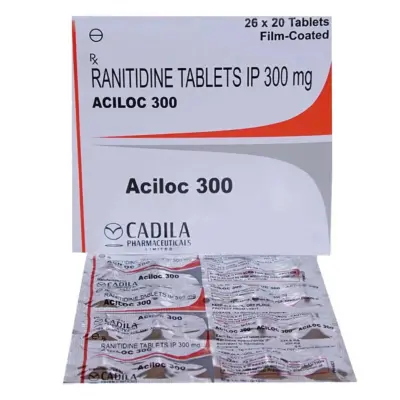
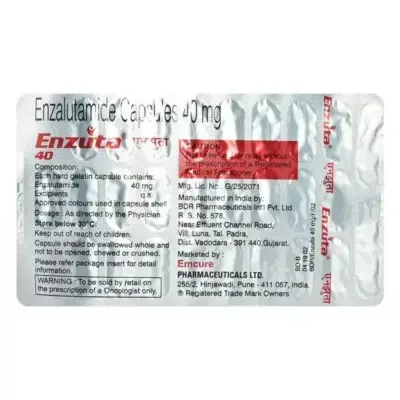
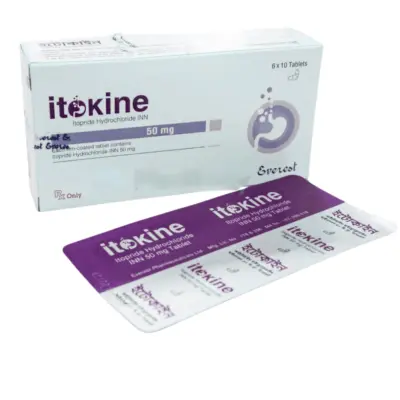
Gastroenterology Medicine Clinical Matrix
-
Proton Pump Inhibitors (PPIs):
-
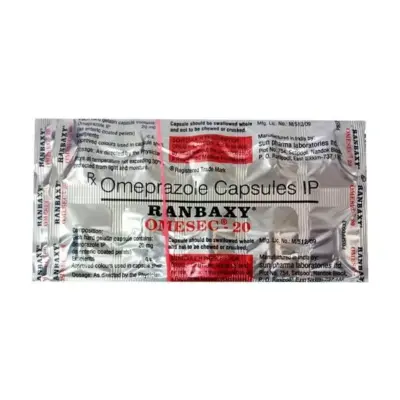
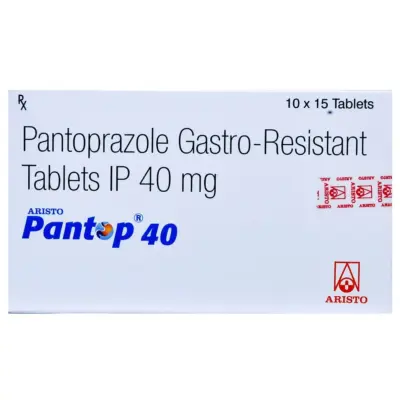
Molecules: Omeprazole, Esomeprazole, Pantoprazole, Rabeprazole, Lansoprazole.
-
Mechanism: Irreversible inhibition of the gastric parietal cell H+/K+ ATPase pump.
-
Indications: GERD, erosive esophagitis, peptic ulcer disease, Zollinger-Ellison syndrome, H. pylori eradication.
-
Monitoring: Long-term use: serum magnesium, calcium, Vitamin B12, bone density, and risk of enteric infections (C. difficile).
-
Potassium-Competitive Acid Blockers (P-CABs):
-
Molecules: Vonoprazan, Tegoprazan.
-
Mechanism: Reversible, potassium-competitive inhibition of the H+/K+ ATPase enzyme.
-
Indications: Severe erosive esophagitis, refractory GERD, acid-related peptic disease, frontline H. pylori regimens.
-
Monitoring: Gastrin level elevations, hepatic transaminases, rapid symptom response tracking.
-
Aminosalicylates (5-ASAs):
-
Molecules: Mesalamine (Mesalazine), Sulfasalazine, Balsalazide.
-
Mechanism: Local mucosal anti-inflammatory effect; blocks cyclooxygenase and lipoxygenase in colonic epithelial cells.
-
Indications: Mild-to-moderate Ulcerative Colitis (induction and maintenance of remission).
-
Monitoring: Baseline and periodic renal function tests (serum creatinine, eGFR), complete blood count (CBC).
-
Targeted IBD Biologics & Small Molecules:
-
Molecules: Infliximab, Adalimumab, Vedolizumab, Ustekinumab, Tofacitinib, Upadacitinib.
-
Mechanism: TNF-alpha antagonism, gut-selective alpha-4-beta-7 integrin blockade, IL-12/23 inhibition, and JAK inhibition.
-
Indications: Moderate-to-severe Crohn’s disease and Ulcerative Colitis refractory to conventional therapy.
-
Monitoring: Pre-treatment screening for latent tuberculosis and Hepatitis B, CBC, liver function tests, infection surveillance.
-
Prokinetics and Antiemetics:
-
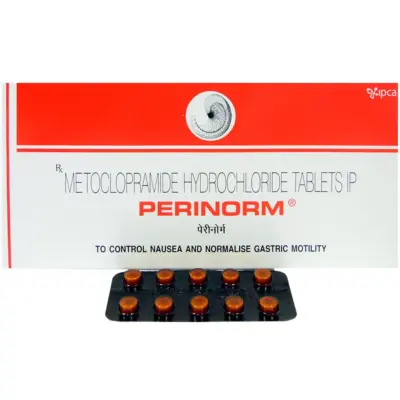
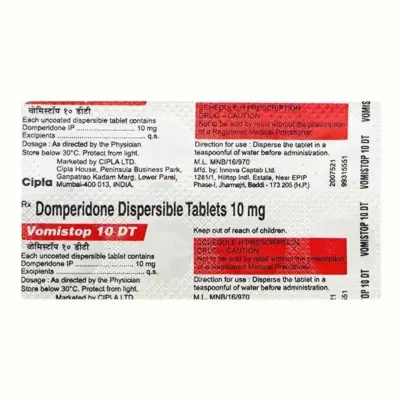
Molecules: Domperidone, Itopride, Metoclopramide, Ondansetron.
-
Mechanism: Peripheral dopamine D2 receptor blockade, 5-HT4 receptor stimulation, and 5-HT3 antagonism.
-
Indications: Diabetic gastroparesis, functional dyspepsia, chemotherapy-induced and postoperative nausea.
-
Monitoring: Cardiac evaluation (ECG for QTc prolongation with domperidone/metoclopramide), extrapyramidal movement disorders.
-
Antispasmodics and Neuromodulators:
-
Molecules: Mebeverine, Otilonium Bromide, Hyoscine Butylbromide, Low-Dose Tricyclics (Amitriptyline).
-
Mechanism: Direct smooth muscle relaxation, anticholinergic muscarinic receptor blockade, visceral hypersensitivity blunting.
-
Indications: Irritable Bowel Syndrome (IBS), abdominal cramping, spastic functional bowel disorders.
-
Monitoring: Anticholinergic side effects (dry mouth, urinary retention, blurred vision, constipation).
-
Hepatobiliary and Gallstone Agents:
-
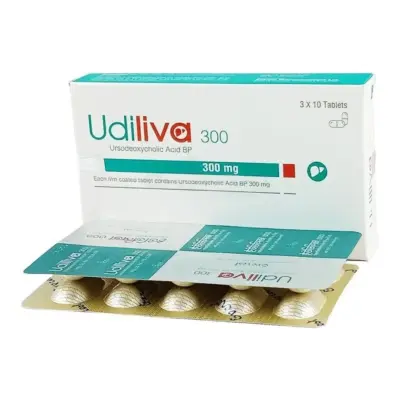
Molecules: Ursodeoxycholic Acid (UDCA), Obeticholic Acid, L-Ornithine L-Aspartate (LOLA).
-
Mechanism: Hydrophilic bile acid substitution, FXR receptor agonism, ammonia clearance stimulation.
-
Indications: Primary Biliary Cholangitis (PBC), cholesterol gallstone dissolution, intrahepatic cholestasis of pregnancy, hepatic encephalopathy.
-
Monitoring: Liver enzymes (ALT, AST, alkaline phosphatase, total bilirubin), lipid profile, pruritus severity.
Anatomy and Physiology of the Gastrointestinal Tract
The human digestive tract is a continuous, muscular tube extending from the oral cavity to the anus, functionally organized into specialized anatomical segments:
-
The Esophagus: A 25 cm muscular conduit responsible for transporting food boluses from the pharynx to the stomach via coordinated primary and secondary peristalsis. The Lower Esophageal Sphincter (LES)—a specialized physiological high-pressure zone—serves as a barrier preventing acidic gastric contents from refluxing upward into the non-keratinized stratified squamous lining of the esophagus.
-
The Stomach: A J-shaped muscular reservoir divided into the cardia, fundus, body, antrum, and pylorus. The gastric mucosa contains specialized deep glands:
-
Parietal Cells: Synthesize and secrete concentrated hydrochloric acid (HCl) via the H+/K+ ATPase pump, creating a sterile, acidic environment (pH 1.5 to 2.5) necessary for protein denaturation and pepsin activation, while also secreting intrinsic factor for Vitamin B12 absorption.
-
Chief Cells: Release pepsinogen, the zymogen precursor to the proteolytic enzyme pepsin.
-
G-Cells: Located in the antrum; release the peptide hormone gastrin in response to luminal peptides, stimulating parietal cell acid secretion.
-
Mucus Neck Cells: Secrete an alkaline, bicarbonate-rich mucus gel layer that coats the gastric wall, protecting the stomach from auto-digestion.
-
The Small Intestine: Spanning roughly 6 meters, divided into the duodenum, jejunum, and ileum. The mucosal surface is folded into plicae circulares, villi, and microvilli, creating an extensive surface area designed for enzymatic digestion and nutrient absorption. The terminal ileum contains specialized receptor systems dedicated to absorbing conjugated bile acids and intrinsic factor-bound Vitamin B12.
-
The Large Intestine (Colon and Rectum): Spanning 1.5 meters, structured into the cecum, ascending, transverse, descending, and sigmoid colon, terminating at the rectum. Responsible for water and electrolyte absorption, turning liquid chyme into formed stool, and supporting the gut microbiome—trillions of commensal bacteria that ferment undigested dietary fiber into beneficial short-chain fatty acids (such as butyrate) and synthesize essential Vitamin K.
-
The Enteric Nervous System (ENS): Frequently referred to as the “second brain,” the ENS consists of more than 500 million neurons organized into the myenteric (Auerbach’s) plexus, which governs muscular peristalsis, and the submucosal (Meissner’s) plexus, which regulates local blood flow, epithelial secretion, and fluid absorption.
Common Gastrointestinal Disorders and Conditions
Digestive pathology is broadly divided into structural organic diseases and functional gastrointestinal disorders:
1. Acid-Peptic Disorders
-
Gastroesophageal Reflux Disease (GERD): Caused by transient lower esophageal sphincter relaxations (TLESRs), low LES resting tone, or hiatal hernia, allowing acidic and bile-laden stomach contents to wash back into the esophagus, producing mucosal injury and mucosal inflammation.
-
Barrett’s Esophagus: A pre-malignant complication of long-standing GERD where chronic acid exposure causes normal squamous esophageal cells to undergo metaplasia into intestinal-type columnar epithelium with goblet cells, elevating the lifetime risk of esophageal adenocarcinoma.
-
Peptic Ulcer Disease (PUD): Focal mucosal defects penetrating through the muscularis mucosae of the stomach or duodenum. The two primary drivers are:
-
Helicobacter pylori Infection: Gram-negative, spiral bacteria that colonize the gastric antral mucosa, producing urease, recruiting inflammatory cytokines, and disrupting the mucosal barrier.
-
Chronic NSAID Use: Non-Steroidal Anti-Inflammatory Drugs block the cyclooxygenase-1 (COX-1) enzyme, depleting gastroprotective prostaglandins (PGE2 and PGI2), leaving mucosal walls vulnerable to acid injury.
2. Inflammatory Bowel Disease (IBD)
Chronic, relapsing, immune-mediated inflammatory disorders of the digestive tract driven by aberrant immune reactions against commensal gut bacteria in genetically susceptible individuals:
-
Ulcerative Colitis (UC): Characterized by continuous, confluent mucosal inflammation starting at the rectum (proctitis) and extending proximally into the colon. Inflammation is limited to the mucosa and submucosa, presenting with bloody diarrhea, tenesmus, and urgency.
-
Crohn’s Disease (CD): Characterized by transmural (full-thickness) inflammation that can occur in any segment of the GI tract from the mouth to the anus (“skip lesions”), most commonly affecting the terminal ileum and cecum. Transmural injury leads to complications such as deep fissuring ulcers, strictures, bowel obstructions, and fistulas connecting to adjacent organs or perianal skin.
3. Functional Gastrointestinal Disorders (Disorders of Gut-Brain Interaction – DGBI)
-
Irritable Bowel Syndrome (IBS): A prevalent condition defined by the Rome IV diagnostic criteria as recurrent abdominal pain occurring at least one day per week over three months, associated with defecation, and accompanied by a change in stool frequency or stool form. Subdivided into:
-
IBS-D: Diarrhea-predominant.
-
IBS-C: Constipation-predominant.
-
IBS-M: Mixed bowel habits.
-
Functional Dyspepsia: Persistent or recurrent symptoms of epigastric pain, early satiety, and postprandial fullness in the absence of organic, structural disease on upper endoscopy.
4. Malabsorption and Motility Disorders
-
Celiac Disease: An autoimmune enteropathy triggered by ingesting gluten (storage proteins found in wheat, barley, and rye) in HLA-DQ2 or HLA-DQ8 positive individuals. Gluten exposure causes T-cell mediated destruction of duodenal villi, leading to villous atrophy, crypt hyperplasia, and malabsorption of iron, folate, and calcium.
-
Gastroparesis: Delayed gastric emptying in the absence of mechanical obstruction, common in long-standing diabetes mellitus secondary to autonomic vagus nerve neuropathy.
Symptoms and Warning Signs in Gastroenterology
Digestive symptoms vary widely depending on the underlying disease mechanism and the anatomical site involved:
1. Common Upper and Lower Digestive Symptoms
-
Pyrosis (Heartburn): A substernal, retrosternal burning sensation rising upward toward the neck, typically occurring postprandially or when lying supine.
-
Acid Regurgitation: The effortless return of sour, bitter, acidic fluid or undigested food into the pharynx or mouth.
-
Epigastric Pain: Localized burning or aching in the upper abdomen; duodenal ulcer pain classically improves with food intake and returns 2 to 3 hours later, whereas gastric ulcer pain is often worsened by eating.
-
Chronic Diarrhea vs. Constipation: Alterations in bowel frequency; chronic diarrhea is defined as loose, watery stools persisting for more than 4 weeks.
-
Abdominal Distension and Bloating: Sensation of increased abdominal gas, abdominal fullness, and visible distension.
The presence of any of the following clinical signs rules out simple functional conditions and requires prompt structural evaluation via endoscopy, cross-sectional imaging, or immediate hospital admission:
-
Dysphagia (Difficulty Swallowing): Sensation of food sticking or pausing in the chest or esophagus. Progressive dysphagia (starting with solid foods and advancing to liquids) is a classic warning sign of mechanical obstruction or esophageal malignancy.
-
Odynophagia: Painful swallowing, pointing toward infectious esophagitis (candida, herpes, CMV) or deep ulcerations.
-
Overt Gastrointestinal Bleeding:
-
Hematemesis: Vomiting bright red blood or “coffee-ground” material (partially digested blood altered by gastric acid).
-
Melena: Passage of black, sticky, tarry, foul-smelling stools, indicating significant bleeding originating from the upper GI tract (above the ligament of Treitz).
-
Hematochezia: Passage of fresh, bright red or maroon blood per rectum, pointing to lower GI bleeding or rapid, massive upper GI hemorrhage.
-
Unexplained Iron Deficiency Anemia: Low hemoglobin and low serum ferritin with no obvious source, requiring upper endoscopy and colonoscopy to rule out occult gastrointestinal malignancies.
-
Unintentional, Rapid Weight Loss: Progressive loss of body weight without dietary changes.
-
Persistent, Intractable Vomiting: Inability to retain fluids or oral medications, leading to dehydration and electrolyte derangements.
-
New-Onset Digestive Symptoms in Patients Over Age 50: Any significant change in bowel habits or new dyspepsia appearing for the first time in an individual aged 50 or older requires objective structural investigation.
Diagnostic Evaluation in Gastroenterology
Accurate diagnosis combines clinical history with objective structural, histological, and biochemical assessments:
-
Upper Gastrointestinal Endoscopy (Esophagogastroduodenoscopy – EGD):
-
A flexible video endoscope is passed through the mouth to inspect the mucosal lining of the esophagus, stomach, and the first and second parts of the duodenum.
-
Allows direct visualization of esophagitis, ulcers, vascular malformations, and strictures, while enabling therapeutic interventions (such as band ligation of varices, heater-probe cautery, and balloon dilation) and targeted mucosal biopsies.
-
Colonoscopy and Ileoscopy:
-
Examines the entire mucosa of the rectum, colon, and terminal ileum. Essential for evaluating chronic diarrhea, rectal bleeding, identifying and removing pre-cancerous polyps, and differentiating ulcerative colitis from Crohn’s disease via step-wise mucosal biopsies.
-
Cross-Sectional Enterography (CT and MR Enterography):
-
Specialized imaging protocols utilizing large volumes of ingested neutral oral contrast to distend small bowel loops. Magnetic Resonance Enterography (MRE) is the preferred modality for evaluating small bowel Crohn’s disease, accurately assessing transmural inflammation, strictures, and internal fistulas without ionizing radiation.
-
Diagnostic Biomarkers and Stool Testing:
-
Fecal Calprotectin: A stable calcium-binding protein shed by neutrophils into the intestinal lumen during active inflammation. A useful non-invasive test: low levels (under 50 mcg/g) strongly support non-inflammatory functional conditions like IBS, whereas high levels (greater than 200 to 250 mcg/g) indicate active mucosal inflammation, warranting endoscopic evaluation for IBD.
-
Helicobacter pylori Diagnostics: Includes the non-invasive Urea Breath Test (UBT) and Stool Antigen Test, or rapid urease biopsy testing (CLO test) performed during endoscopy. Patients must stop PPIs for 2 weeks and antibiotics/bismuth for 4 weeks before testing to prevent false-negative results.
-
Serological Celiac Panel: Measuring serum Tissue Transglutaminase IgA (tTG-IgA) along with total serum IgA is the initial screening test of choice for celiac disease, followed by confirmatory duodenal biopsies showing villous blunting.
Major Classes of Gastroenterology Medicines
Digestive pharmacotherapy focuses on modifying gastric acidity, reducing mucosal inflammation, adjusting enteric neuromuscular motility, and altering the gut biochemical environment:
1. Acid-Suppressive Medications
Acid suppression is central to managing reflux, healing ulcers, and treating Helicobacter pylori:
-
Proton Pump Inhibitors (PPIs):
-
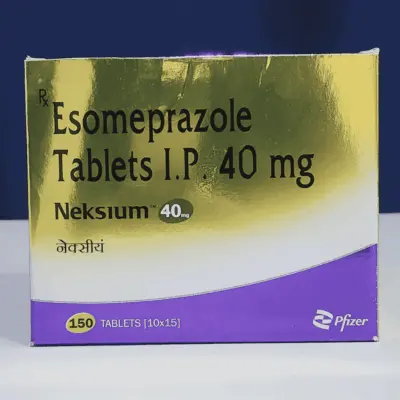
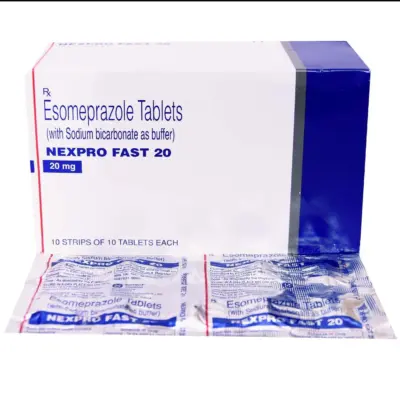
Molecules: Omeprazole, Esomeprazole, Pantoprazole, Rabeprazole, Lansoprazole.
-
Pharmacodynamics: Inactive prodrugs that absorb into the bloodstream and concentrate in the acidic secretory canaliculi of gastric parietal cells. There, they undergo protonation, transforming into active sulfenamide compounds that form permanent covalent disulfide bonds with the H+/K+ ATPase pump (the final common pathway of acid secretion).
-
Clinical Use: Superior healing rates for erosive esophagitis and peptic ulcers compared to older H2-blockers. Must be taken 30 to 60 minutes before the first meal of the day so the drug is circulating when the maximum number of pumps are active.
-
Potassium-Competitive Acid Blockers (P-CABs):
-
Molecules: Vonoprazan, Tegoprazan.
-
Pharmacodynamics: Reversibly and competitively bind directly to the potassium-binding site of the H+/K+ ATPase enzyme without requiring acid activation.
-
Clinical Advantages: Provide faster onset of acid suppression, maintain stable acid inhibition throughout the night, do not require timing with meals, and are unaffected by CYP2C19 genetic variations. They achieve high eradication rates in clarithromycin-resistant H. pylori regimens and heal severe erosive esophagitis rapidly.
-
Histamine-2 Receptor Antagonists (H2RAs):
-
Molecules: Famotidine, Nizatidine.
-
Pharmacodynamics: Competitively block histamine H2 receptors on parietal cell basolateral membranes. Effective for mild, intermittent reflux, but their efficacy can decrease over continuous daily use due to receptor desensitization (tachyphylaxis).
2. Anti-Inflammatory Agents for IBD
3. Targeted Biologics and Small Molecules for Moderate-to-Severe IBD
-
Anti-TNF Monoclonal Antibodies (Infliximab, Adalimumab): Neutralize soluble and transmembrane Tumor Necrosis Factor-alpha, closing mucosal ulcerations, inducing deep remission, and healing fistulas.
-
Anti-Integrin Biologics (Vedolizumab): Binds selectively to the alpha-4-beta-7 integrin on circulating lymphocytes, preventing them from adhering to mucosal vascular addressin (MAdCAM-1) in the gut. This provides gut-selective immunosuppression without broad systemic immune suppression.
-
Interleukin-12/23 Inhibitors (Ustekinumab, Risankizumab): Block the p40 or p19 subunits of interleukins involved in inflammatory T-helper pathways (Th1 and Th17).
-
Oral Janus Kinase (JAK) Inhibitors (Tofacitinib, Upadacitinib): Small-molecule oral tablets that enter cells to block JAK-STAT signaling pathways, shutting down multiple inflammatory cytokine signals simultaneously for rapid relief in active ulcerative colitis.
4. Gastrointestinal Motility Agents and Antiemetics
-
Prokinetics (Domperidone, Itopride, Metoclopramide): Increase the amplitude and frequency of gastric antral contractions and coordinate gastroduodenal motility, accelerating stomach emptying in gastroparesis and functional dyspepsia.
-
Serotonin 5-HT3 Antagonists (Ondansetron, Granisetron): Block 5-HT3 receptors on the vagus nerve in the gut and in the chemoreceptor trigger zone (CTZ) of the brainstem, controlling severe nausea and vomiting.
-
Laxatives and Secretagogues:
-
Osmotic Laxatives (Polyethylene Glycol – PEG, Lactulose): Retain water in the intestinal lumen through osmotic pressure, softening stool and stimulating natural peristalsis.
-
Secretagogues (Linaclotide, Lubiprostone): Stimulate intestinal chloride secretion via guanylate cyclase-C activation or chloride channels, increasing fluid secretion to relieve constipation-predominant IBS.
-
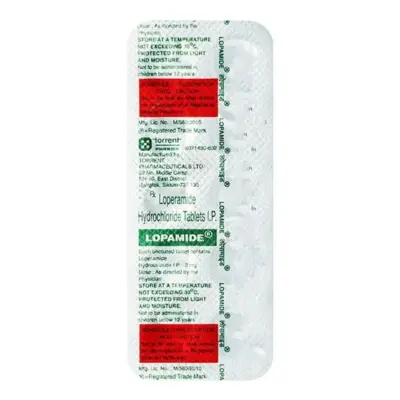
Opioid Receptor Agonists (Loperamide): Acts on mu-opioid receptors in the myenteric plexus of the bowel wall, slowing smooth muscle transit time and increasing fluid reabsorption to manage acute and chronic diarrhea.
5. Hepatobiliary and Gallbladder Pharmacotherapy
-
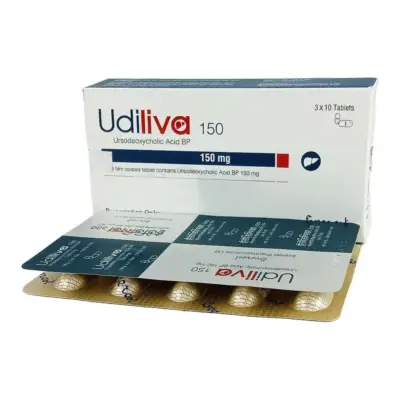
Ursodeoxycholic Acid (UDCA / Ursodiol): A naturally occurring hydrophilic bile acid. Displaces toxic, hydrophobic endogenous bile acids from the liver’s bile pool, stabilizes hepatocyte membranes, and stimulates biliary secretion. It serves as the primary medical therapy for Primary Biliary Cholangitis (PBC), treats intrahepatic cholestasis of pregnancy, and helps dissolve small, radiolucent cholesterol gallstones in patients who cannot undergo surgery.
Safe Administration, Dosage Considerations, and Practical Use
-
Timing PPIs for Maximum Effectiveness: Oral PPIs should be taken 30 to 60 minutes before the first meal of the day. Acid pumps must be actively synthesizing acid in response to a meal for the sulfenamide active drug to bind. Taking a PPI late at night or right before sleep without food significantly reduces its clinical effectiveness.
-
Do Not Crush Delayed-Release Tablets: Enteric-coated PPI tablets, multi-matrix mesalamine formulations, and pancreatic enzyme capsules (Pancreatin) must be swallowed whole with water. Crushing or chewing them destroys the protective acid-resistant coating, exposing the active drug to gastric acid and inactivating it before it reaches the small intestine.
-
Tapering Corticosteroid Regimens: Systemic steroids (such as prednisone) for acute IBD flares must always be tapered gradually according to your gastroenterologist’s schedule. Never stop taking steroids abruptly, as prolonged use temporarily suppresses natural adrenal cortisol production, and sudden cessation can trigger an acute, life-threatening adrenal crisis.
-
Maintaining Hydration with Osmotic Agents: When taking osmotic laxatives (such as polyethylene glycol), ensure adequate daily fluid intake. Ingesting osmotic powders without sufficient water can pull fluid from circulating blood volume, worsening dehydration.
Important Drug Interactions and Safety Warnings
Digestive medications interact with several commonly prescribed therapies:
-
PPIs and Clopidogrel (Plavix): Both omeprazole and esomeprazole inhibit the hepatic enzyme CYP2C19. Clopidogrel is an antiplatelet prodrug that requires activation by CYP2C19. Taking high doses of omeprazole alongside clopidogrel can reduce the antiplatelet effect, increasing the risk of cardiovascular events or stent thrombosis. When acid suppression is needed alongside clopidogrel, clinicians prefer agents with minimal CYP2C19 inhibition, such as pantoprazole.
-
Nutrient and Mineral Absorption with Long-Term Acid Suppression: Years of continuous, high-dose PPI therapy lower stomach acidity, which can reduce the absorption of micronutrients that require acid for solubility:
-
Calcium and Magnesium: Can lead to hypomagnesemia and a modest increase in osteoporotic fracture risk in older adults.
-
Vitamin B12: Lower stomach acidity impairs the release of dietary B12 from animal proteins.
-
Infection Risk (Clostridioides difficile): Gastric acid serves as a primary natural defense against swallowed pathogens. Prolonged acid suppression modestly increases the risk of community-acquired and hospital-acquired enteric infections, including C. difficile-associated diarrhea.
-
Pre-Biologic Immunological Screening: Before starting targeted biologic agents or JAK inhibitors for IBD, every patient must undergo formal screening for latent tuberculosis (via QuantiFERON blood testing or Mantoux skin testing) and a complete Hepatitis B viral serology panel. Anti-TNF therapies can cause the reactivation of dormant tuberculosis or life-threatening Hepatitis B viral flares.
Prevention, Dietary Approaches, and Digestive Wellness
-
Reflux Management (Non-Pharmacological):
-
Avoid consuming heavy, high-fat meals within 3 hours before going to bed.
-
Elevate the head of the bed by 6 inches using bed risers or a specialized wedge pillow to let gravity prevent nocturnal acid reflux (simple extra pillows only bend the neck and increase abdominal pressure).
-
Identify and moderate personal dietary triggers, which commonly include chocolate, spearmint, caffeine, citrus fruits, tomatoes, alcohol, and carbonated beverages.
-
The Low-FODMAP Diet for IBS: A structured, temporary dietary approach under the guidance of a gastrointestinal dietitian. Reduces intake of Fermentable Oligosaccharides, Disaccharides, Monosaccharides, and Polyols (short-chain carbohydrates that are poorly absorbed in the small intestine, drawing water into the bowel and undergoing rapid fermentation by colonic bacteria to produce gas, bloating, and diarrhea).
-
Gradual Dietary Fiber Increases: Increasing soluble dietary fiber (e.g., psyllium husk) improves stool bulk and consistency in both constipation and mild diarrhea. Increase fiber intake gradually alongside adequate hydration to avoid temporary gas and abdominal bloating.
-
Prudent NSAID Use: Avoid the chronic, unmonitored use of over-the-counter NSAIDs (ibuprofen, naproxen). Patients who require long-term anti-inflammatory therapy for arthritis and have past ulcers should discuss co-prescribing a protective PPI with their doctor.
Which Medical Specialist Should You Consult?
A comprehensive medical evaluation helps coordinate accurate diagnosis and personalized treatment:
-
General Gastroenterologist: A specialist who performs upper endoscopies and colonoscopies, evaluates chronic abdominal pain and diarrhea, manages complicated GERD, and treats functional bowel disorders.
-
Hepatologist: A gastroenterologist with advanced subspecialty training dedicated to diseases of the liver, managing chronic viral hepatitis (B and C), MASH/fatty liver disease, autoimmune liver disorders, and cirrhosis complications.
-
Advanced Therapeutic Endoscopist: A specialized gastroenterologist who performs complex, minimally invasive procedures, including Endoscopic Retrograde Cholangiopancreatography (ERCP) for bile duct stones, Endoscopic Ultrasound (EUS) for tissue biopsies, and Endoscopic Submucosal Dissection (ESD).
-
Colorectal Surgeon: A surgical specialist who performs resections for medically refractory ulcerative colitis (e.g., restorative ileal pouch-anal anastomosis / J-pouch surgery), manages bowel strictures and fistulas in Crohn’s disease, and treats perianal conditions.
-
Registered Gastrointestinal Dietitian: Essential for coordinating medical nutrition therapy for celiac disease, inflammatory bowel disease, and short-bowel syndrome, and guiding patients through elimination and reintroduction diets.
Frequently Asked Questions
Can I take my antacid or PPI whenever I feel heartburn coming on?
It depends on the type of medication. Simple liquid antacids (containing aluminum, magnesium, or calcium salts) neutralize existing acid and provide rapid, temporary relief within minutes of onset. However, Proton Pump Inhibitors (PPIs) like omeprazole or pantoprazole are not designed for immediate, as-needed relief. PPIs take several hours to start working and require 2 to 4 days of consistent daily morning dosing to achieve their full acid-suppressing effect. For long-term healing of erosive esophagitis or ulcers, PPIs must be taken daily as prescribed, 30 to 60 minutes before breakfast.
What is the difference between Ulcerative Colitis and Crohn’s Disease?
Both are forms of Inflammatory Bowel Disease (IBD), but they differ in location and tissue depth. Ulcerative Colitis is limited exclusively to the colon and rectum, and the inflammation is superficial, affecting only the innermost mucosal lining. Crohn’s Disease can involve any part of the digestive tract from the mouth to the anus (often leaving healthy “skip” areas between inflamed patches), and the inflammation is transmural, meaning it extends through all layers of the bowel wall, which can lead to deep strictures, abscesses, and fistulas.
Is it safe to take a Proton Pump Inhibitor (PPI) every day for many years?
For patients with severe conditions like high-grade erosive esophagitis, Barrett’s esophagus, or a high risk of peptic ulcer bleeding, the benefits of long-term PPI therapy generally outweigh the potential risks. However, for uncomplicated reflux, guidelines recommend using the lowest effective dose for the shortest duration necessary. Long-term continuous use has been linked to minor increases in the risk of low magnesium levels, Vitamin B12 deficiency, bone fractures, and intestinal infections like C. difficile. Your gastroenterologist will periodically review your prescription to ensure long-term therapy remains medically appropriate.
Can Helicobacter pylori infection return after being cured?
Once H. pylori is successfully eradicated and cure is confirmed with a negative breath or stool test, the rate of reinfection in adults is very low (typically under 1% to 2% per year in developed sanitation settings). If symptoms return, it is usually due to a separate issue (such as functional dyspepsia or acid reflux) rather than a return of the bacteria, though confirmatory re-testing can verify clearance.
Why do some people feel bloated when they suddenly increase their dietary fiber?
When dietary fiber intake is increased too quickly, the billions of commensal bacteria in the colon ferment the extra undigested fiber rapidly, generating gases like hydrogen, carbon dioxide, and methane. This can lead to temporary abdominal bloating, cramping, and flatulence. To avoid this, increase dietary fiber slowly over several weeks while drinking plenty of water, allowing your gut microbiome and digestive transit time to adapt.
What is the difference between a food allergy and a food intolerance?
A food allergy (such as a peanut or shellfish allergy) involves an immediate immune system response, typically mediated by IgE antibodies, which can trigger hives, facial swelling, breathing difficulties, and life-threatening anaphylaxis within minutes of exposure. A food intolerance (such as lactose intolerance) involves a non-allergic digestive limitation, such as lacking the lactase enzyme needed to digest milk sugars. Food intolerances cause localized digestive symptoms like gas, bloating, and diarrhea, but they do not involve systemic allergic pathways and are not life-threatening.
Passing black, sticky, tarry stools with a distinct, foul odor (clinically termed melena) is an urgent medical sign indicating bleeding in the upper digestive tract, such as an actively bleeding stomach ulcer or esophageal vein. You should seek emergency medical evaluation immediately. Do not confuse melena with the harmless, dark greenish-black stools caused by oral iron supplements or bismuth subsalicylate (Pepto-Bismol), which do not have a sticky, tar-like consistency.
Medical Authority and Clinical Reference Links
-
American Gastroenterological Association (AGA):
AGA Clinical Practice Guidelines, White Papers, and Clinical Decision Support Tools.
Consensus clinical practice guidelines covering GERD management, IBD biologics, IBS therapies, and endoscopic protocols:
-
American College of Gastroenterology (ACG):
ACG Clinical Guidelines: Management of Peptic Ulcer Disease, Ulcerative Colitis, and Crohn’s Disease.
Authoritative guidance on acid-peptic therapies, Helicobacter pylori eradication, and endoscopic surveillance:
-
European Crohn’s and Colitis Organisation (ECCO):
ECCO Guidelines on the Prevention, Diagnosis, and Management of Inflammatory Bowel Disease.
International consensus recommendations covering diagnostic imaging, mucosal healing endpoints, and targeted biologic therapies:
-
World Health Organization (WHO) – Global Health and Digestive Diseases:
Technical Guidance on the Prevention and Control of Viral Hepatitis, Diarrheal Diseases, and Alimentary Health:
-
British Society of Gastroenterology (BSG):
BSG Clinical Guidelines on the Management of Irritable Bowel Syndrome, Barrett’s Esophagus, and Chronic Liver Disease: