Transplant & Immunology Medicines: Immunosuppression & Rejection Guide
Organ transplantation represents one of the major achievements of modern medicine, providing life-saving therapy for patients with irreversible end-stage organ failure. Solid organ transplantation—including kidney, liver, heart, lung, and pancreas grafts—transforms the trajectory of terminal illnesses, restoring physiological function and extending life expectancy.
However, the biological barrier to successful transplantation is the human immune system. Designed through millions of years of evolution to identify, attack, and eliminate foreign non-self biological matter, the recipient’s immune cells naturally perceive a transplanted allograft as a foreign entity. Left unmodulated, cellular and humoral immune pathways systematically destroy the grafted organ through allograft rejection.
Transplant pharmacotherapy is built on a careful balance. Clinicians must administer sufficient immunosuppression to prevent host-versus-graft rejection and ensure long-term allograft survival, while avoiding excessive immunosuppression that leaves the patient vulnerable to life-threatening opportunistic infections, drug-induced nephrotoxicity, metabolic syndrome, and secondary malignancies.
This clinical guide provides a comprehensive overview of transplant immunology, the biological mechanisms of allograft rejection, phases of immunosuppressive protocols, core drug classes, therapeutic drug monitoring, patient safety practices, and long-term survivorship.
Transplant & Immunology Medicine Clinical Matrix
-
Calcineurin Inhibitors (CNIs):
-
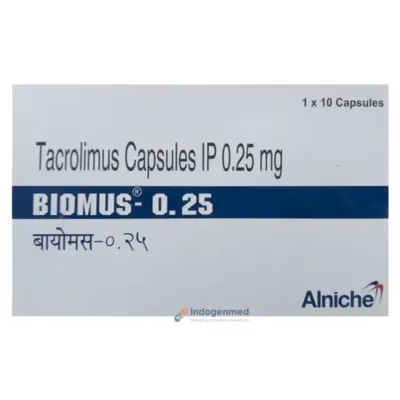
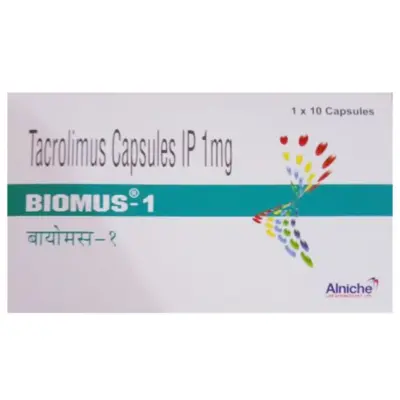
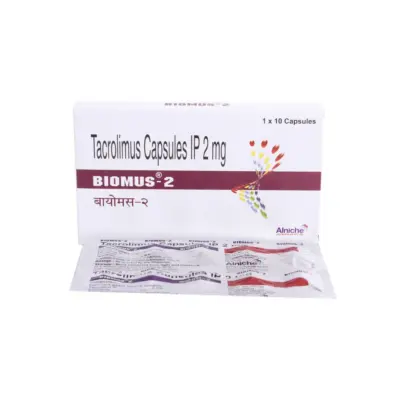
Key Molecules: Tacrolimus (FK506), Cyclosporine (Cyclosporin A).
-
Mechanism of Action: Binds to intracellular immunophilins (FKBP-12 for tacrolimus; cyclophilin for cyclosporine), forming a complex that inhibits the calcium-activated phosphatase enzyme calcineurin. This blocks the dephosphorylation of Nuclear Factor of Activated T-cells (NFAT), halting transcription of Interleukin-2 (IL-2) and shutting down T-lymphocyte activation and proliferation.
-
Clinical Role: The primary maintenance backbone for kidney, liver, heart, and lung transplant regimens worldwide.
-
Critical Monitoring & Toxicities: Narrow therapeutic index requiring routine whole-blood trough level monitoring; dose-dependent acute and chronic arteriolar nephrotoxicity, neurotoxicity (tremors, headaches, seizures), systemic hypertension, post-transplant diabetes mellitus (PTDM, especially with tacrolimus), cosmetic hirsutism and gingival hyperplasia (cyclosporine), and alopecia (tacrolimus).
-
Antiproliferative / Antimetabolite Agents:
-
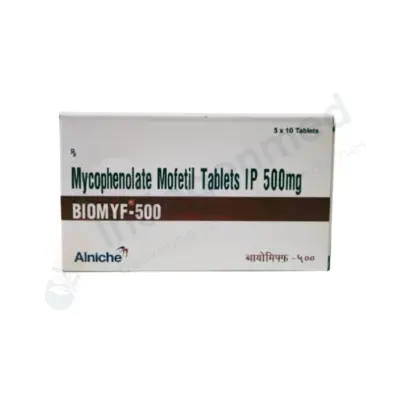
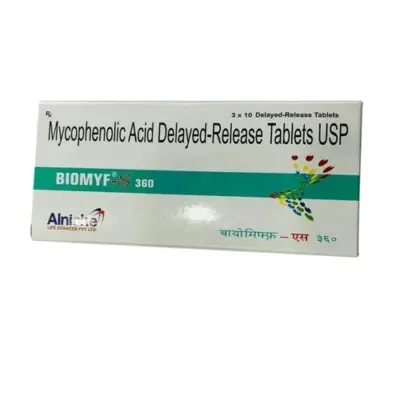
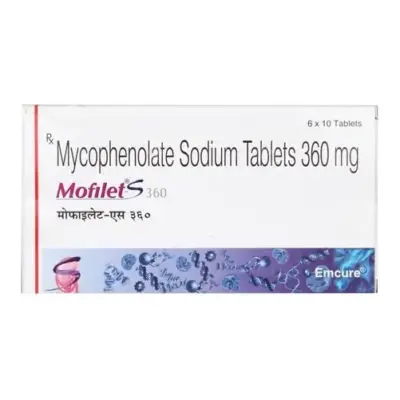
Key Molecules: Mycophenolate Mofetil (MMF), Mycophenolic Acid (enteric-coated MPA), Azathioprine.
-
Mechanism of Action: Selective, non-competitive, reversible inhibition of inosine monophosphate dehydrogenase (IMPDH), blocking the de novo synthesis of guanosine nucleotides. Because T- and B-lymphocytes depend almost entirely on the de novo pathway rather than the purine salvage pathway used by other cell types, this selectively arrests lymphocyte replication in the S-phase.
-
Clinical Role: Standard secondary baseline maintenance agent combined with a calcineurin inhibitor and corticosteroids.
-
Critical Monitoring & Toxicities: Gastrointestinal distress (nausea, abdominal cramping, severe watery diarrhea), bone marrow suppression (leukopenia, neutropenia, thrombocytopenia), and teratogenicity (strictly contraindicated in pregnancy).
-
Mammalian Target of Rapamycin (mTOR) Inhibitors:
-
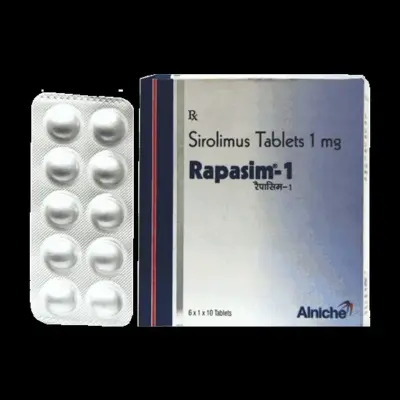
Key Molecules: Everolimus, Sirolimus (Rapamycin).
-
Mechanism of Action: Binds intracellular FKBP-12, forming a complex that inhibits the serine/threonine kinase mTOR (specifically the mTORC1 complex). This blocks downstream signaling from the IL-2 receptor, arresting cell-cycle progression from the G1 into the S-phase.
-
Clinical Role: Used as CNI-sparing or CNI-eliminating alternatives to protect long-term kidney function; antiproliferative properties provide anti-neoplastic benefits in patients developing post-transplant skin or internal malignancies.
-
Critical Monitoring & Toxicities: Therapeutic drug blood level monitoring; impaired surgical wound healing (do not initiate immediately post-surgery), severe hypertriglyceridemia, hypercholesterolemia, proteinuria, aphthous oral ulcers, peripheral lower extremity edema, and non-infectious interstitial pneumonitis.
-
T-Cell Depleting Induction Biologics:
-
Key Molecules: Antithymocyte Globulin (rATG / Thymoglobulin).
-
Mechanism of Action: Purified polyclonal rabbit gamma-immune globulins directed against an array of human T-cell surface markers (CD2, CD3, CD4, CD8, CD11a, CD18, TCR), triggering rapid, profound clearance of circulating T-lymphocytes through complement-dependent lysis and splenic phagocytosis.
-
Clinical Role: Intense perioperative induction therapy for high-immunological-risk recipients (high PRA, repeat transplants), and first-line treatment for acute corticosteroid-resistant cellular rejection.
-
Critical Monitoring & Toxicities: Severe cytokine release syndrome during infusion (requires pre-medication with steroids, antihistamines, and acetaminophen), profound prolonged leukopenia, thrombocytopenia, and high long-term risks of cytomegalovirus (CMV) and post-transplant lymphoproliferative disorder (PTLD).
-
Non-Depleting Interleukin-2 Receptor Antagonists:
-
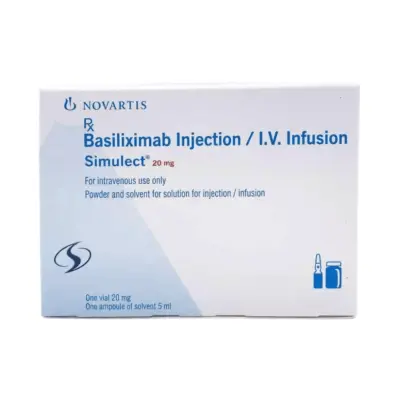
Key Molecules: Basiliximab.
-
Mechanism of Action: Chimeric monoclonal antibody that binds with high affinity to the alpha-subunit (CD25) of the IL-2 receptor complex on the surface of activated T-lymphocytes, competitively blocking IL-2 binding and blunting proliferation without destroying existing lymphocytes.
-
Clinical Role: Standard perioperative induction therapy for low-to-moderate immunological risk solid organ recipients; provides rejection prophylaxis without causing profound leukopenia or broad systemic cytokine release.
-
Critical Monitoring & Toxicities: Excellent safety and tolerability profile; rare hypersensitivity or mild allergic reactions.
-
Glucocorticoids (Corticosteroids):
-
Key Molecules: Methylprednisolone (IV), Prednisone (Oral).
-
Mechanism of Action: Binds intracellular glucocorticoid receptors, translocating to the nucleus where it inhibits the transcription factor NF-kB, downregulating pro-inflammatory cytokine synthesis (IL-1, IL-2, IL-6, TNF-alpha) and impairing antigen presentation by dendritic cells and macrophages.
-
Clinical Role: High-dose intravenous pulses for perioperative induction; first-line therapy for acute cellular rejection; tapered to low-dose oral maintenance therapy.
-
Critical Monitoring & Toxicities: Cushingoid facies, accelerated bone mineral density loss and osteoporosis, avascular necrosis of the femoral head, steroid-induced diabetes mellitus, fluid retention, hypertension, cataracts, and emotional/psychiatric lability.
-
Costimulation Blockers:
-
Key Molecules: Belatacept.
-
Mechanism of Action: A soluble fusion protein linking the extracellular domain of human CTLA-4 to the Fc fragment of human IgG1. It binds selectively to CD80 and CD86 ligands on antigen-presenting cells (APCs), blocking their interaction with CD28 on T-cells. This removes “Signal 2” (costimulation), inducing T-cell anergy and apoptosis.
-
Clinical Role: Monthly intravenous infusion used as a CNI-free alternative maintenance therapy in kidney transplant recipients to preserve renal allograft structure and avoid CNI-induced nephrotoxicity.
-
Critical Monitoring & Toxicities: Contraindicated in Epstein-Barr Virus (EBV) seronegative patients due to a high risk of Central Nervous System Post-Transplant Lymphoproliferative Disorder (CNS PTLD); infusion reactions, peripheral edema, and opportunistic infections.
The Immunology of Allograft Recognition
To understand how immunosuppressive medications function, one must examine how the recipient’s immune system identifies a transplanted organ:
1. Major Histocompatibility Complex (MHC) and Human Leukocyte Antigens (HLA)
The primary molecular targets that trigger graft rejection are the Human Leukocyte Antigens (HLA)—proteins encoded by the Major Histocompatibility Complex (MHC) on human chromosome 6:
-
MHC Class I Antigens (HLA-A, HLA-B, HLA-C): Expressed on the surface of virtually every nucleated cell in the human body. They present endogenous intracellular peptide fragments to circulating CD8+ cytotoxic T-lymphocytes.
-
MHC Class II Antigens (HLA-DR, HLA-DP, HLA-DQ): Expressed primarily on professional antigen-presenting cells (APCs)—such as dendritic cells, B-lymphocytes, and macrophages. They present exogenous processed peptide fragments to CD4+ helper T-lymphocytes.
Because each individual possesses an inherited combination of maternal and paternal HLA genes, a donor organ (unless sourced from an identical twin) presents foreign, polymorphic HLA protein configurations that the recipient’s T- and B-cell receptors immediately identify as non-self.
2. Pathways of Allorecognition
The recipient’s immune system detects the donor’s foreign HLA molecules through three distinct physiological pathways:
-
Direct Allorecognition: Recipient T-cells bind directly to intact, donor-derived “passenger” dendritic cells that migrated out of the transplanted organ into recipient lymphoid tissue. This pathway drives early, vigorous acute cellular rejection.
-
Indirect Allorecognition: Recipient antigen-presenting cells ingest shed donor HLA proteins, break them down into peptide fragments, and present them on their own MHC Class II molecules to recipient T-cells. This mimics the normal response to infectious viruses and bacteria, playing a central role in driving late, chronic allograft rejection and donor-specific antibody production.
-
Semi-Direct Allorecognition: Recipient dendritic cells physically acquire intact MHC molecules from donor passenger leukocytes or cell membrane fragments via trogocytosis, presenting intact donor MHC directly to recipient T-cells.
3. The Three-Signal Model of T-Cell Activation
Once allorecognition occurs, full T-lymphocyte activation and proliferation require three synchronized biochemical signals:
-
Signal 1 (Antigen Recognition): The recipient’s T-Cell Receptor (TCR) and CD4/CD8 co-receptors bind directly to the donor MHC-peptide complex on the antigen-presenting cell. This triggers intracellular calcium influx, activating the phosphatase calcineurin. Calcineurin dephosphorylates the cytoplasmic transcription factor NFAT, allowing it to enter the nucleus and initiate transcription of the Interleukin-2 (IL-2) gene.
-
Signal 2 (Costimulation): Antigen binding without a secondary costimulatory signal causes the T-cell to become functionally inactive (anergic). Full activation requires the binding of CD80 (B7-1) and CD86 (B7-2) on the antigen-presenting cell to CD28 on the T-cell membrane. This costimulatory signal amplifies intracellular kinase cascades, preventing apoptosis and stabilizing cytokine mRNA.
-
Signal 3 (Proliferation): Secreted IL-2 binds to high-affinity IL-2 receptors (CD25) on the T-cell surface in an autocrine and paracrine loop. This activates the mammalian target of rapamycin (mTOR) pathway, signaling the lymphocyte to progress through cell-cycle checkpoints from the G1 into the S-phase, initiating clonal expansion of cytotoxic T-cells.
Types and Mechanisms of Allograft Rejection
Allograft rejection is classified into four distinct clinicopathological categories based on underlying immunological mechanisms and time of onset:
1. Hyperacute Rejection
-
Onset: Occurs within minutes to hours following vascular reperfusion of the allograft in the operating room.
-
Pathogenesis: Driven by pre-existing, circulating recipient antibodies (typically natural anti-ABO blood group antibodies or anti-HLA antibodies formed from prior pregnancies, blood transfusions, or previous transplants). These antibodies bind immediately to vascular endothelial cells in the donor organ, activating the classical complement cascade (forming the C5b-9 membrane attack complex).
-
Pathological Manifestation: Widespread endothelial destruction, microvascular thrombosis, platelet aggregation, and complete graft ischemia. The transplanted organ turns cyanotic, soft, and necrotic on the operating table.
-
Prevention: Hyperacute rejection has been virtually eliminated in modern transplantation through routine, mandatory pre-transplant ABO blood-type verification and complement-dependent cytotoxicity (CDC) or flow cytometric crossmatching.
2. Acute Cellular Rejection (ACR)
-
Onset: Most common within the first 1 to 6 months post-transplant, though it can occur at any time if immunosuppression is reduced.
-
Pathogenesis: A T-cell-mediated immune response. Recipient CD4+ helper T-cells secrete cytokines that activate macrophages and recruit CD8+ cytotoxic T-lymphocytes. These cytotoxic cells invade the graft tissue, releasing perforin and granzymes that induce apoptosis in parenchymal and tubular epithelial cells.
-
Histological Hallmark: In a kidney allograft, ACR is characterized by interstitial mononuclear cell infiltration and tubulitis (lymphocytes infiltrating tubular basolateral membranes); in liver allografts, it presents as endotheliitis, portal triad inflammation, and bile duct damage.
-
Treatment: Highly responsive to prompt clinical intervention. Standard management involves high-dose intravenous corticosteroid pulses (Methylprednisolone 500 to 1,000 mg daily for 3 days), escalating maintenance immunosuppression, or administering antithymocyte globulin (rATG) for steroid-resistant cellular rejection.
3. Acute Antibody-Mediated Rejection (AMR)
-
Onset: Can occur early (days to weeks) or late in the post-transplant course.
-
Pathogenesis: Driven by the de novo synthesis of Donor-Specific Antibodies (DSAs) by recipient plasma cells, targeting donor HLA molecules on graft capillary endothelium.
-
Diagnostic Triad: Diagnosis requires three concordant elements:
-
Clinical graft dysfunction (e.g., rising serum creatinine or elevated liver transaminases).
-
Histological evidence of acute microvascular injury, including peritubular capillaritis and glomerulitis.
-
Positive immunohistochemical staining for C4d (a stable degradation product of complement activation that binds covalently to endothelial basement membranes), alongside detectable circulating serum DSAs on Luminex single-antigen bead testing.
-
Treatment: Requires multimodal therapies designed to clear circulating antibodies and suppress B-cell activity: therapeutic plasma exchange (plasmapheresis) to mechanically remove circulating DSAs, intravenous immunoglobulin (IVIG) to neutralize antibodies, and B-cell-targeted therapies like Rituximab (anti-CD20) or proteasome inhibitors (Bortezomib).
4. Chronic Allograft Dysfunction / Chronic Rejection
-
Onset: Develops indolently over months to years, representing the leading cause of late allograft loss.
-
Pathogenesis: A mixed process combining low-grade, persistent cell-mediated and antibody-mediated immune injury with non-immune insults (calcineurin inhibitor nephrotoxicity, chronic hypertension, cytomegalovirus infection, and hyperlipidemia).
-
Pathological Features: Characterized by interstitial fibrosis, tubular atrophy, and progressive vascular intimal hyperplasia (transplant arteriopathy), which slowly narrows arterial lumens and deprives graft tissues of blood flow.
-
Management: Structural fibro-intimal remodeling is generally irreversible. Management focuses on optimizing blood pressure, controlling proteinuria using ACE inhibitors or ARBs, treating co-existing subclinical rejection, and converting regimens to CNI-sparing protocols when appropriate.
Phases of Transplant Pharmacotherapy
Immunosuppressive regimens are delivered across distinct clinical phases tailored to balance rejection risk against long-term toxicities:
Transplant Immunosuppression Timeline:
[Perioperative Induction Phase (Intense Biological Antibodies / High-Dose Steroids)]
                                     │
                                     ▼
[Early Maintenance Phase (Months 1–6: Calcineurin Inhibitor + Antimetabolite + Steroids)]
                                     │
                                     ▼
[Long-Term Maintenance Phase (Years 1+: Lower Trough Target Levels / Steroid Minimization)]
                                     │
         ┌───────────────────────────┴───────────────────────────┐
         ▼                                                       ▼
[Acute Rejection Treatment]                             [Chronic Management]
(Steroid Pulses / rATG / PLEX)                          (Infection Prophylaxis / CNI Tapering)
1. Induction Therapy
Intensive, short-term immunosuppressive therapy administered immediately prior to, during, and in the first several days following graft re-implantation:
-
Clinical Purpose: Provides high levels of immunosuppression when foreign antigen presentation is most intense, preventing early acute rejection, delaying the need for full-dose nephrotoxic calcineurin inhibitors in organs with delayed graft function, and allowing the safe use of lower maintenance doses later.
-
Agent Selection:
-
Basiliximab: An anti-CD25 IL-2 receptor antagonist; the standard induction agent for low-to-moderate immunological risk recipients.
-
Antithymocyte Globulin (rATG): A polyclonal T-cell depleting antibody; reserved for high-risk patients (sensitized recipients, presence of donor-specific antibodies, African American recipients, repeat transplants, or prolonged cold ischemia times).
2. Maintenance Therapy
Ongoing, lifelong immunosuppression designed to maintain graft tolerance while minimizing cumulative drug toxicities:
3. Treatment of Acute Rejection
Rescuing an allograft during acute rejection episodes:
-
First-Line: Intravenous Methylprednisolone pulses (500 to 1,000 mg daily for 3 consecutive days), followed by an oral prednisone taper.
-
Steroid-Resistant Rejection: If graft function does not improve, a protocol biopsy is performed; confirmation of severe cellular rejection prompts a 7-to-14-day course of Antithymocyte Globulin (rATG).
-
Antibody-Mediated Rejection: Managed with plasmapheresis, high-dose IVIG, and rituximab.
Therapeutic Drug Monitoring (TDM) and Pharmacology
Because calcineurin inhibitors and mTOR inhibitors have narrow therapeutic windows—where slight under-dosing triggers acute rejection and slight over-dosing causes severe nephrotoxicity or neurotoxicity—regular Therapeutic Drug Monitoring (TDM) is a non-negotiable requirement of transplant care.
1. Target Trough Levels
Dosages are adjusted based on whole-blood trough concentrations, drawn exactly 12 hours post-dose (for twice-daily immediate-release formulations) or 24 hours post-dose (for once-daily extended-release formulations), immediately prior to taking the morning dose:
-
Tacrolimus (Prograf / Advagraf / Envarsus):
-
Months 1 to 3 Post-Transplant: Target whole-blood trough typically maintained between 8 and 12 ng/mL to prevent early acute rejection.
-
Long-Term Maintenance (Beyond 6 months): Target trough lowered to 5 to 8 ng/mL to reduce long-term arteriolar nephrotoxicity and diabetes risk.
-
Cyclosporine (Neoral / Gengraf):
-
Months 1 to 3: Target trough maintained between 150 and 300 ng/mL (or 2-hour post-dose peak level between 800 and 1,200 ng/mL).
-
Long-Term Maintenance: Target trough lowered to 75 to 150 ng/mL.
-
Everolimus & Sirolimus: Target whole-blood trough levels typically range between 3 and 8 ng/mL when combined with reduced-dose calcineurin inhibitors.
Both tacrolimus and cyclosporine are extensively metabolized in the liver and intestinal mucosa by the cytochrome P450 3A4 and 3A5 (CYP3A4/5) enzyme systems and extruded by the P-glycoprotein (P-gp) efflux pump.
Understanding drug-drug interactions is critical, as co-administering interacting medications can cause swings in immunosuppressive blood levels:
-
Potent CYP3A4 Inhibitors (Increase CNI Blood Levels Toxicity):
-
Azole Antifungals: Ketoconazole, Voriconazole, Itraconazole, Fluconazole.
-
Macrolide Antibiotics: Clarithromycin, Erythromycin (Azithromycin has minimal interaction).
-
Calcium Channel Blockers: Diltiazem, Verapamil.
-
Dietary: Grapefruit and grapefruit juice contain furanocoumarins that irreversibly inhibit intestinal CYP3A4, raising tacrolimus blood levels into toxic ranges.
-
Potent CYP3A4 Inducers (Decrease CNI Blood Levels, Rejection Risk):
-
Anticonvulsants: Phenytoin, Carbamazepine, Phenobarbital.
-
Antimycobacterials: Rifampin, Rifabutin.
-
Herbal Supplements: St. John’s Wort (Hypericum perforatum) strongly induces CYP3A4 and P-gp, lowering circulating calcineurin inhibitor levels and triggering acute allograft rejection.
Safe Handling, Administration Protocols, and Patient Compliance
-
Strict 12-Hour Medication Timing: Maintenance immunosuppressants should be taken at the exact same times every day, precisely 12 hours apart (e.g., 8:00 AM and 8:00 PM). Inconsistent timing causes swings in circulating drug concentrations, creating periods of under-immunosuppression (risking rejection) or over-immunosuppression (risking nephrotoxicity).
-
The Morning Trough Blood Draw Rule: On days when therapeutic drug monitoring blood tests are scheduled, do not take your morning dose of tacrolimus, cyclosporine, or everolimus before your blood is drawn. The blood sample must be collected at the lowest point in the dosing cycle (the 12-hour trough). Bring your morning medications with you to the clinic or laboratory, and swallow them immediately after the blood draw is completed.
-
Managing a Missed Dose: If you miss a dose of your immunosuppressant, take it as soon as you remember, provided it is within 4 to 6 hours of your scheduled time. If more than 6 hours have passed, skip the missed dose and resume your regular schedule with the next dose. Never double up on doses to make up for a missed tablet, as acute peaks can cause severe nephrotoxicity, tremors, or arrhythmias.
-
Handling Mycophenolate (MMF / MPA):
-
Gastrointestinal Administration: Swallow tablets whole with water. If severe nausea or diarrhea develops, do not stop the medication; contact your transplant team, who may split the dose into smaller portions throughout the day or transition you to enteric-coated mycophenolate sodium (Myfortic), which releases in the small intestine to reduce upper stomach irritation.
-
Teratogenicity Precaution: Mycophenolate carries a high risk of first-trimester miscarriages and major congenital malformations. Women of childbearing age must use two reliable forms of contraception and participate in a risk evaluation program. Female patients planning pregnancy must be transitioned to safer alternatives (such as azathioprine) under close medical supervision at least 6 to 12 weeks before attempting conception.
Long-Term Complications, Infection Prophylaxis, and Survivorship
Because maintenance immunosuppression suppresses normal immune defenses, post-transplant care requires ongoing surveillance and prophylaxis against long-term complications:
1. Post-Transplant Infection Prophylaxis
The period of highest infection risk occurs during the first 6 to 12 months post-transplant, requiring routine antimicrobial prophylaxis:
-
Pneumocystis Jirovecii Pneumonia (PJP) Prophylaxis: Daily or three-times-weekly oral Trimethoprim-Sulfamethoxazole (TMP-SMX) administered for at least 6 to 12 months post-transplant prevents life-threatening opportunistic fungal pneumonia, while also protecting against urinary tract infections, nocardiosis, and toxoplasmosis.
-
Cytomegalovirus (CMV) Prophylaxis: CMV is the most significant viral pathogen in solid organ transplantation. High-risk recipients (donor CMV-positive, recipient CMV-negative: D+/R-) receive oral Valganciclovir for 3 to 6 months post-transplant. Alternatively, preemptive therapy involves monitoring weekly blood CMV quantitative PCR and initiating antiviral therapy at the first sign of viral replication before clinical disease develops.
-
Fungal Prophylaxis: Oral nystatin swish-and-swallow or fluconazole for 1 to 3 months to prevent oral candidiasis (thrush) and esophageal fungal infections.
2. Malignancy Surveillance
Chronic immunosuppression impairs the immune system’s normal surveillance against oncogenic viruses and transformed cells:
-
Cutaneous Squamous Cell Carcinoma (SCC): The most common post-transplant malignancy, occurring at rates 65 to 100 times higher than in the general population. Transplant recipients should practice strict sun protection (broad-spectrum SPF 50+ sunscreens, protective clothing) and undergo annual full-body skin examinations by a dermatologist.
-
Post-Transplant Lymphoproliferative Disorder (PTLD): An aggressive lymphoid malignancy driven predominantly by unchecked Epstein-Barr Virus (EBV) proliferation in B-lymphocytes. Patients presenting with persistent fevers, unexplained weight loss, or lymphadenopathy require prompt imaging, tissue biopsy, and a reduction in immunosuppression.
Cardiovascular disease is the leading cause of late death with a functioning graft:
-
Post-Transplant Diabetes Mellitus (PTDM): Calcineurin inhibitors (especially tacrolimus) impair pancreatic beta-cell insulin secretion, while corticosteroids drive peripheral insulin resistance. Blood glucose and HbA1c should be monitored regularly, with early lifestyle modifications and insulin-sensitizing therapies initiated promptly.
-
Hypertension & Dyslipidemia: Common side effects of CNIs and steroids; treated with dihydropyridine calcium channel blockers (Amlodipine), ACE inhibitors, ARBs, and statins (such as Atorvastatin or Rosuvastatin, adjusted for CNI interactions).
Frequently Asked Questions
Can an organ transplant recipient ever stop taking immunosuppressive medications?
No. Except in rare cases of identical twin transplants or specialized experimental bone marrow chimerism protocols, solid organ transplant recipients must take immunosuppressive medications for the rest of their lives. The human immune system never completely forgets or accepts a foreign organ. If a patient stops taking their medications, the immune system will reactivate within days to weeks, launching an acute cellular or antibody-mediated rejection that can destroy the graft, returning the patient to organ failure or dialysis.
What is the difference between Tacrolimus and Cyclosporine?
Both medications are calcineurin inhibitors that block T-cell Interleukin-2 production, but they differ in chemical structure, potency, and side effect profiles. Tacrolimus is roughly 10 to 100 times more potent than cyclosporine on a milligram basis and is associated with significantly lower rates of acute allograft rejection, making it the preferred first-line agent in most transplant centers. Cyclosporine frequently causes cosmetic side effects like gum overgrowth (gingival hyperplasia) and excess body hair growth (hirsutism), whereas tacrolimus is more likely to cause tremors, hair thinning (alopecia), and post-transplant diabetes.
What is the difference between acute rejection and chronic rejection?
Acute rejection is a rapid, active immune response occurring within weeks or months of transplant, where recipient T-cells or antibodies infiltrate and attack the graft. If caught early through routine lab tests and confirmed with an organ biopsy, acute rejection can usually be reversed using high-dose corticosteroid pulses or antibody infusions. Chronic rejection is an indolent, progressive scarring process occurring over years, characterized by tissue fibrosis and arterial narrowing that slowly deprives the organ of blood flow. Chronic rejection cannot be reversed; management centers on slowing further damage and preserving remaining organ function.
Why is grapefruit juice strictly forbidden for transplant patients taking tacrolimus or cyclosporine?
Grapefruit, pomelos, and Seville oranges contain natural chemical compounds called furanocoumarins. These compounds permanently disable the CYP3A4 metabolic enzyme located in the lining of the small intestine. Normally, intestinal CYP3A4 breaks down a large portion of an oral tacrolimus or cyclosporine dose before it can reach the bloodstream. When this enzyme is blocked by grapefruit, far more medication enters systemic circulation, causing drug blood levels to rise into toxic ranges, which can lead to acute kidney injury, severe tremors, and dangerous electrolyte imbalances.
Are generic transplant medications safe to use?
Yes, generic transplant medications approved by major regulatory authorities (such as the US FDA, EMA, or WHO-GMP accredited facilities) contain the exact same active pharmaceutical ingredient, chemical purity, and dosage strength as brand-name versions. However, because calcineurin inhibitors have a narrow therapeutic index, patients should not switch between different generic manufacturers or between brand and generic formulations without medical supervision. Whenever switching between manufacturers, your transplant team will schedule a trough blood level test within 1 to 2 weeks to verify that blood concentrations remain within the target range.
Can a transplant patient receive routine vaccinations?
Transplant recipients can and should receive inactivated (killed) vaccines, including the seasonal influenza shot, COVID-19 vaccines, pneumococcal vaccines, and the recombinant shingles vaccine (Shingrix). However, live-attenuated vaccines are strictly contraindicated for transplant recipients taking maintenance immunosuppression. Live vaccines—such as the Measles-Mumps-Rubella (MMR) vaccine, yellow fever vaccine, oral typhoid vaccine, and live nasal flu spray—contain weakened live viruses that can multiply unchecked in an immunosuppressed individual, causing severe, life-threatening infections. Household family members should also receive annual flu shots to create a protective barrier around the patient.
What should I do if I develop a fever or feel sick while taking transplant medications?
Because immunosuppressive drugs dampen your body’s natural defense mechanisms, minor infections can advance rapidly into serious complications, and typical infection signs may be muted. If you develop a fever of 38.0°C (100.4°F) or higher, persistent chills, productive cough, burning during urination, unexplained nausea, or severe diarrhea, you should contact your transplant coordinator or clinic immediately. Do not self-prescribe antibiotics or over-the-counter medications without speaking to your transplant team, as many common antibiotics and anti-inflammatories interact with your immunosuppressants.
Medical Authority and Clinical Reference Links
-
Kidney Disease: Improving Global Outcomes (KDIGO):
KDIGO Clinical Practice Guideline for the Care of Kidney Transplant Recipients.
Consensus clinical practice guidelines covering induction strategies, calcineurin inhibitor trough targets, rejection protocols, and post-transplant infection monitoring:
-
American Society of Transplantation (AST):
AST Guidelines for the Prevention, Diagnosis, and Management of Infectious Complications in Solid Organ Transplantation.
Authoritative guidance on CMV prophylaxis, PJP management, fungal infections, and post-transplant vaccination schedules:
-
International Society for Heart and Lung Transplantation (ISHLT):
ISHLT Guidelines for the Care of Heart and Lung Transplant Recipients.
International recommendations covering allograft surveillance, therapeutic drug monitoring, and treatment of cellular and antibody-mediated rejection:
-
The Transplantation Society (TTS):
International Consensus Standards on Transplantation Immunology, Donor Crossmatching, and Organ Allocation Policies:
-
Organ Procurement and Transplantation Network (OPTN) & UNOS:
Clinical Data Reports, Post-Transplant Outcomes Metrics, and Patient Safety Guidance: