



Abiraterone Acetate
- Antibiotics
- Cholesterol Management
- Chronic Conditions
- Chronic Kidney Disease
- Contraception
- Hair Fall Control
- Hepatitis C DAAs
- Hypertension & Heart
- OBESITY
- Pulmonary Hypertension (Rx)
- Uncategorized
- Chronic Care
- Men's Health & Wellness
- Personal Care
- Speciality Medicines
- Wellness & Nutrition
- Women’s Health & Wellness
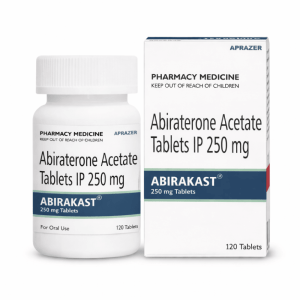
Abirakast 250 Mg Tablet
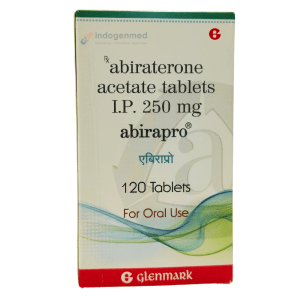
Abirapro 250 Mg Tablets
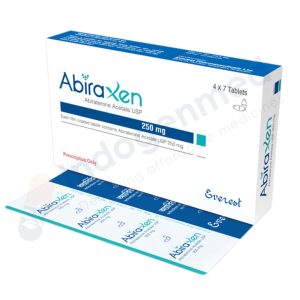
Abiraxen 250mg Tablets
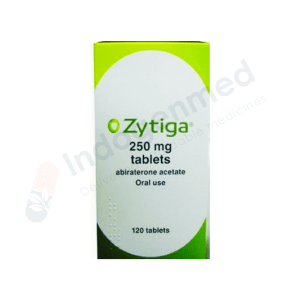
Zytiga 250 Mg Tablets
Recently Viewed Products
Table of Contents
Abiraterone acetate is a targeted hormonal anti-cancer medicine used mainly in prostate cancer. It belongs to the class of androgen biosynthesis inhibitors and works by blocking an enzyme called CYP17, which is essential for the body to produce androgens (male hormones).
Abiraterone acetate is a prodrug, meaning it converts in the body to the active form, abiraterone.
Information about Abiraterone acetate
Prostate cancer growth is often driven by androgens such as testosterone. Even when testes production is reduced using androgen deprivation therapy (ADT), the body can still produce androgens from the adrenal glands and within the tumor itself.
Abiraterone acetate targets this remaining hormone production to further lower androgen levels. Abiraterone acetate is a small-molecule steroidal compound designed to inhibit CYP17. Molecular formula: C26H33NO2. Chemical Structure of Abiraterone Acetate: insert an image with attribution from PubChem or an official product label source.
Pharmacology of Abiraterone acetate
Pharmacokinetics: Abiraterone acetate is taken orally. Food significantly increases absorption, so it is usually taken on an empty stomach as advised by the prescriber. After absorption, it converts to active abiraterone.
It is highly protein-bound and is primarily processed in the liver (including CYP3A4-related pathways and sulfation). Most drug-related material is eliminated through feces, with a smaller portion through urine.
Liver function can affect exposure, so liver enzymes are commonly monitored during treatment. Pharmacodynamics: By inhibiting CYP17, Abiraterone acetate reduces androgen synthesis, but it can also increase mineralocorticoid activity.
Because of this, it is commonly prescribed with a corticosteroid (often prednisone or prednisolone) to reduce risks like high blood pressure, low potassium, and fluid retention.
Uses of Abiraterone acetate
Primary uses: Abiraterone acetate is used in prostate cancer settings such as metastatic castration-resistant prostate cancer (mCRPC) and metastatic castration-sensitive prostate cancer (mCSPC) in combination with ongoing ADT.
The exact use depends on the stage of cancer, prior treatments, and the oncology plan. Off-label or investigational uses: Abiraterone acetate has been explored in other hormone-driven settings, but any use outside approved indications should be guided by a specialist.
How Abiraterone acetate works
CYP17 is a key enzyme in the body’s hormone production pathway. When Abiraterone acetate blocks CYP17, androgen production drops significantly in testis-independent pathways (adrenal glands and tumor tissues).
With less androgen available, many prostate cancer cells lose the fuel they need to grow and spread. Because hormone pathways shift when CYP17 is blocked, the medicine is often paired with a steroid to help keep the body’s hormone balance steadier and reduce side effects.
Effectiveness can be influenced by consistent dosing, taking it correctly on an empty stomach, potential drug interactions, and the cancer’s biological behavior.
Side effects of Abiraterone acetate
Common side effects: fatigue, hot flashes, nausea, indigestion, joint or muscle discomfort, and swelling in legs or feet due to fluid retention. Important side effects to monitor: high blood pressure, low potassium (hypokalemia), fluid retention, and elevated liver enzymes (signs of liver irritation).
Some patients may experience changes in heart rhythm, particularly if potassium becomes low. When to seek medical help: get urgent medical attention for chest pain, severe shortness of breath, fainting, fast or irregular heartbeat, severe weakness, or signs of liver problems such as yellowing of the skin or eyes, dark urine, or persistent right-sided abdominal pain.
Available medicines of Abiraterone acetate
Abiraterone acetate is available under the brand name Zytiga and as a generic in many markets. It is supplied as oral tablets, and treatment is commonly combined with a corticosteroid and continued ADT, as per the oncology plan.
Disclaimer for Abiraterone acetate
This content is for informational and educational purposes only and should not replace professional medical advice.
Always consult a qualified healthcare provider before starting, stopping, or changing any medication.