



Acalabrutinib
- Antibiotics
- Cholesterol Management
- Chronic Conditions
- Chronic Kidney Disease
- Contraception
- Hair Fall Control
- Hepatitis C DAAs
- Hypertension & Heart
- OBESITY
- Pulmonary Hypertension (Rx)
- Uncategorized
- Chronic Care
- Men's Health & Wellness
- Personal Care
- Speciality Medicines
- Wellness & Nutrition
- Women’s Health & Wellness
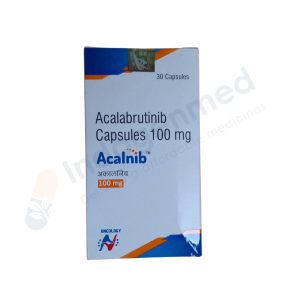
Acalnib 100 Mg Capsule
Ask for PriceAsk for Price
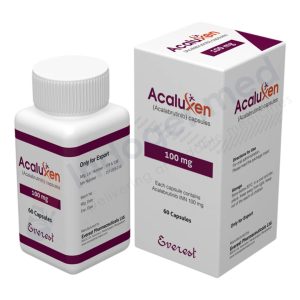
Acaluxen 100 Mg Capsules
Ask for PriceAsk for Price
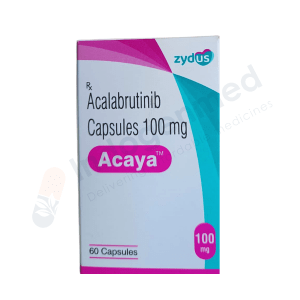
Acaya 100 Mg Capsule
Ask for PriceAsk for Price
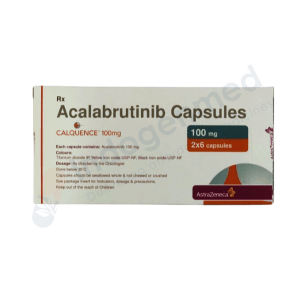
Calquence 100 Mg Capsules
Ask for PriceAsk for Price
Recently Viewed Products
Table of Contents
Classification of Acalabrutinib
- Acalabrutinib is a targeted anti-cancer medicine classified as a Bruton tyrosine kinase inhibitor (BTK inhibitor).
- It is also known by the development code ACP-196 in scientific literature.
- It is mainly used for certain B-cell blood cancers where the BTK pathway supports cancer cell growth and survival.
Information about Acalabrutinib
- BTK is a key signaling protein in the B-cell receptor pathway.
- Many B-cell cancers depend on this pathway to multiply, migrate, and avoid cell death.
- Acalabrutinib is a selective, covalent BTK inhibitor, meaning it binds strongly to BTK and blocks it for a sustained effect.
- Acalabrutinib has pH-dependent solubility, so stomach acid levels can affect how well it is absorbed.
- Chemical Structure of Acalabrutinib: insert image with attribution from DrugBank or an official label source.
Pharmacology of Acalabrutinib
Pharmacokinetics (how the body handles it):
- Taken orally.
- Forms an active metabolite called ACP-5862, which also contributes to BTK inhibition.
- Absolute bioavailability is about 25%.
- Median time to peak concentration (Tmax): about 0.9 hours (acalabrutinib) and about 1.6 hours (ACP-5862).
- A high-fat, high-calorie meal does not meaningfully change overall exposure, but can lower peak levels and delay onset by about 1–2 hours.
- Highly protein-bound (about 97.5%).
- Mainly metabolized by CYP3A enzymes.
- Eliminated mostly as metabolites in feces (about 84%) and urine (about 12%), with less than 2% excreted unchanged.
- Terminal half-life: about 1 hour (acalabrutinib) and about 3.5 hours (ACP-5862).
Pharmacodynamics (what it does in the body):
- Maintains high BTK occupancy with typical dosing (often 100 mg twice daily), supporting continuous pathway inhibition.
Uses of Acalabrutinib
- Used in adults for B-cell malignancies, including:
- Chronic lymphocytic leukemia (CLL).
- Small lymphocytic lymphoma (SLL).
- Mantle cell lymphoma (MCL), including patients who have received at least one prior therapy.
- In some settings, it may be used in combination regimens based on diagnosis, treatment history, and oncology plan.
How Acalabrutinib works
- Blocks BTK, a signaling switch that malignant B cells often rely on for survival and growth.
- Reduces downstream signals that support:
- Cell proliferation.
- Cell trafficking and migration.
- Chemotaxis (movement toward growth signals).
- Adhesion (the ability of cancer cells to stick within supportive environments).
- Practical interaction considerations:
- Proton pump inhibitors (PPIs) can reduce absorption because they reduce stomach acid.
- Other acid reducers may require dose separation as advised by a clinician.
- Strong CYP3A inhibitors or inducers can significantly change drug levels, so medication review is important.
Side effects of Acalabrutinib
- Common side effects:
- Headache.
- Diarrhea.
- Fatigue.
- Muscle or joint pain.
- Bruising.
- Nausea.
- Upper respiratory infections.
- Important risks to monitor:
- Serious infections (including opportunistic infections).
- Bleeding events.
- Low blood counts (neutropenia, anemia, thrombocytopenia).
- Heart rhythm problems (atrial fibrillation or flutter).
- Second primary cancers, including skin cancers.
- When to seek medical help urgently:
- Fever with chills or signs of infection.
- Unusual bleeding, black stools, or vomiting blood.
- Chest pain, shortness of breath, fainting, or severe dizziness.
- Fast or irregular heartbeat.
Available medicines of Acalabrutinib
- Brand name: Calquence.
- Oral formulations: capsules or tablets (varies by market).
- Dosing is commonly 100 mg about every 12 hours, but may be adjusted due to interactions or clinical factors.
Disclaimer for Acalabrutinib
- This content is for informational and educational purposes only and should not replace professional medical advice.
- Always consult a qualified healthcare provider before starting, stopping, or changing any medication.