



Pancreatic Cancer
- Chronic Conditions
- Chronic Kidney Disease
- Contraception
- Hair Fall Control
- Hepatitis C DAAs
- OBESITY
- Uncategorized
- Chronic Care
- Men's Health & Wellness
- Personal Care
- Speciality Medicines
- Wellness & Nutrition
- Women’s Health & Wellness

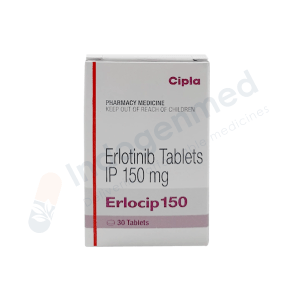
Erlocip 150 Mg Tablets

Gemsar Rtu 1.4gm Injection
Gemsar Rtu 1gm Injection
Gemsar Rtu 200mg Injection
Recently Viewed Products
Table of Contents
Pancreatic cancer is cancer that begins in the pancreas, an organ behind the stomach. The pancreas helps your body in two main ways:
- Digestive function: makes enzymes to digest food
- Hormone function: helps control blood sugar (insulin)
Pancreatic cancer can be difficult to detect early because symptoms may be mild at first. Early medical attention for ongoing or unusual symptoms is important.
Pancreatic cancer may block the bile duct or affect digestion and weight. It can also affect blood sugar control. Timely diagnosis helps doctors plan the best treatment options.
Common symptoms
Early symptoms may be unclear. Possible symptoms include:
Digestive and belly symptoms
- Upper belly pain (often spreading to the back)
- Loss of appetite
- Nausea or indigestion
- Unexplained weight loss
- Feeling full quickly
Jaundice-related symptoms (common when the bile duct is blocked)
- Yellow eyes/skin (jaundice)
- Dark urine
- Pale stools
- Itching
Other possible signs
- New diabetes or sudden worsening of diabetes control
- Unusual tiredness and weakness
Risk factors
Pancreatic cancer risk may be higher with:
- Increasing age
- Smoking or tobacco use
- Long-term diabetes
- Chronic pancreatitis (long-term pancreas inflammation)
- Obesity and low physical activity
- Family history of pancreatic cancer (in some cases)
- Certain inherited conditions (rare)
Diagnosis
Doctors may use a combination of tests to confirm the disease and understand the stage.
Common tests
- Blood tests (including liver tests if jaundice is present)
- Imaging: ultrasound, CT scan, MRI
- Endoscopic ultrasound (EUS) in selected cases
- ERCP if bile duct blockage needs evaluation or stent placement
- Biopsy (tissue sample) to confirm cancer type
Treatment
Treatment depends on cancer stage, location, and overall health.
Surgery (when possible)
If the cancer is found early and removable, surgery may be advised.
Chemotherapy
Used before surgery, after surgery, or for advanced disease to control growth and spread.
Radiation therapy
Used in selected cases, sometimes with chemotherapy.
Targeted therapy and immunotherapy
Used in selected patients based on tumor testing and the specialist's decision.
Supportive care
Helps manage symptoms and improve comfort, such as:
- Stent/drainage for bile duct blockage
- Pain control
- Nutrition and digestion support (enzymes in some cases)
- Nausea control and strength support
When to seek urgent medical help
Get medical help quickly if you have:
- Yellow eyes/skin with fever or chills (possible infection due to blockage)
- Severe belly pain with repeated vomiting
- Rapid worsening weakness, confusion, or fainting
- Black stools, vomiting blood, or bleeding that does not stop
- Sudden shortness of breath or chest pain
Specialists to consult
- Gastroenterologist
- Surgical oncologist / hepatobiliary-pancreatic surgeon
- Medical oncologist
- Radiation oncologist (if needed)
- Nutrition and supportive care team
Explore Pancreatic Cancer Care
This category includes medicines used for pancreatic cancer treatment and supportive care, selected as part of a specialist-led treatment plan.