- Acne
- Anemia Medicines
- Anesthesia
- Antibiotic Medicines
- Antiemetic
- Antiviral
- Arthritis
- Bile Duct Cancer
- Blood Cancer
- Bone & Joint
- Bone Cancer
- Brain Cancer
- Breast Cancer
- Cancer Inhibitors
- Cervical Cancer
- Chemotherapy Medicines
- Chronic Care
- Chronic Care (zh-hans)
- Chronic Conditions
- Colorectal Cancer
- Diabetes
- Endometriosis
- Epilepsy
- Erectile Dysfunction
- Gastroenterology
- Heart Medicines
- HIV & Prep
- Hormonal Imbalance
- Hypertension Medicines
- Kidney Cancer
- Kidney Medicines
- Liver Cancer
- Lung Cancer
- Lymphoma
- Men's Health & Wellness
- Multiple Myeloma
- Multiple Sclerosis
- Neurology
- Oncology
- Ovarian Cancer
- Pain Management
- Pancreatic Cancer
- Prostate Cancer
- Psychiatric Care
- Pulmonary Hypertension (Rx)
- Respiratory Care
- Sexual Wellness
- Skin Cancer
- Speciality Medicines
- Thyroid Cancer
- Transplant & Immunology
- Wellness & Nutrition
- 丙型肝炎直接抗病毒药物
- 个人护理
- 保健品
- 健康与营养
- 健身与蛋白质
- 免疫与抗氧化
- 女性健康与保健
- 慢性疾病
- 慢性肾脏病
- 抗真菌
- 止吐药
- 激素失衡
- 特定疾病营养
- 特药
- 男性健康与保健
- 疼痛管理
- 痤疮
- 癌症抑制剂
- 肥胖症
- 膀胱过度活动症
- 草本与天然产品
- 血小板减少症
- 避孕
- 骨质疏松症
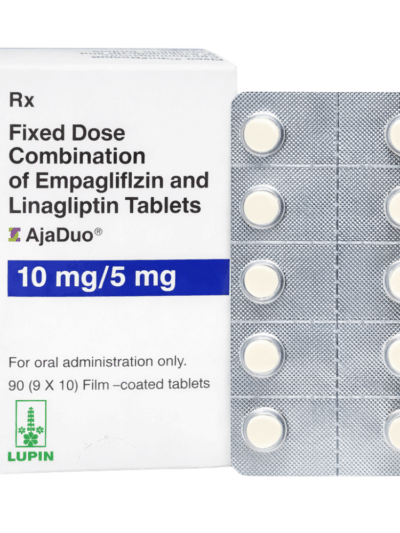
Ajaduo 10mg/5mg 片剂
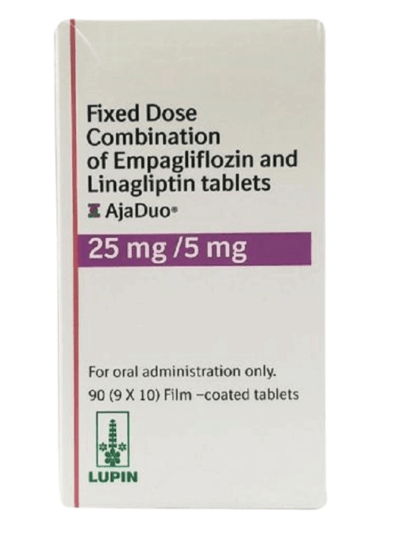
Ajaduo 25mg/5mg 片剂
Recently Viewed Products
Long-term treatment and support for managing diabetes, heart conditions, and ongoing illnesses
Medicines and products for chronic conditions are designed to manage long-term illnesses such as diabetes, hypertension, asthma, arthritis, thyroid disorders, and heart disease. Unlike short-term treatments, chronic condition medicines are taken regularly, often daily, to control symptoms, prevent complications, and improve quality of life. Examples include insulin for diabetes, statins for cholesterol, inhalers for asthma, and antihypertensives for blood pressure control.
Managing chronic conditions requires consistency and careful monitoring. Patients should follow their doctor’s prescribed treatment plan, take medicines on schedule, and attend regular check-ups. Skipping doses, adjusting medicines without advice, or stopping treatment early can lead to worsening health or serious complications. Some conditions may require lifestyle changes, such as healthy eating, exercise, stress management, and avoiding smoking or alcohol, in addition to medicines.
It is also important to be aware of possible side effects and drug interactions. Many patients with chronic conditions take multiple medicines, so regular communication with healthcare providers and pharmacists is essential. Blood tests, monitoring devices, and follow-up visits help ensure medicines are working properly and safely.
When managed correctly, chronic condition treatments help patients live longer, healthier, and more active lives. Proper adherence, combined with healthy lifestyle choices, can reduce hospital visits and prevent long-term damage.