



Colorectal Cancer
- Chronic Conditions
- Chronic Kidney Disease
- Contraception
- Hair Fall Control
- Hepatitis C DAAs
- OBESITY
- Uncategorized
- Chronic Care
- Men's Health & Wellness
- Personal Care
- Speciality Medicines
- Wellness & Nutrition
- Women’s Health & Wellness
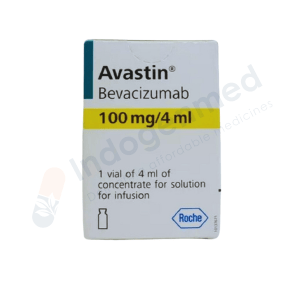
Avastin 100 Mg Injection
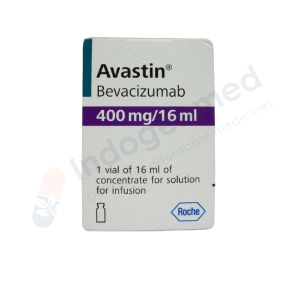
Avastin 400 Mg Injection
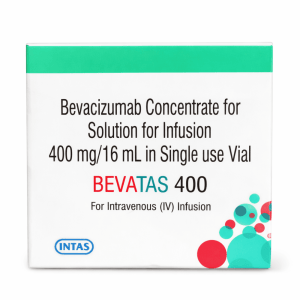
Bevatas 400 Mg Injection
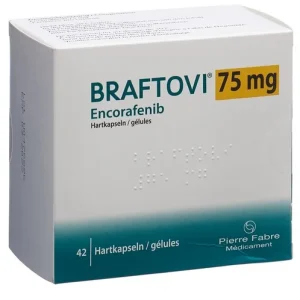
Braftovi 75 Mg Capsules

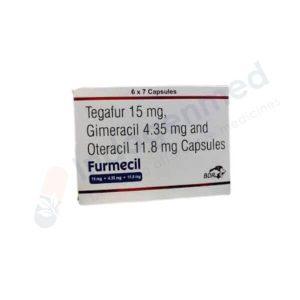
Furmecil 15 Mg Capsules
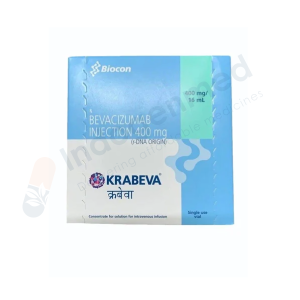
Krabeva 400 Mg Injection

Lonsurf 20 Mg Tablets

Oxalimax 100mg Injection
Oxalimax 50mg Injection

Recently Viewed Products
Table of Contents
Colon-rectal cancer is cancer that starts in the colon (large intestine) or the rectum. In many cases, it develops slowly from small growths called polyps. Some polyps can turn into cancer over time, which is why screening is very important.
Colorectal cancer is often treatable when found early. Screening can detect polyps before they become cancer, or catch cancer at an early stage when treatment works best.
Common Symptoms
Early stages may have no symptoms. When symptoms appear, they may include:
Common symptoms
- Blood in stool or rectal bleeding
- Change in bowel habits (diarrhea, constipation, or narrower stools) lasting more than 2–3 weeks
- Belly pain, cramps, bloating, or feeling full
- Feeling that the bowel does not empty completely
- Unexplained weight loss
- Weakness or tiredness (often due to anemia)
Symptoms that need quick medical attention
- Heavy bleeding from the rectum
- Black, tarry stools (possible bleeding higher up)
- Severe belly pain with vomiting or swelling
- Dizziness, fainting, or severe weakness
Risk Factors
Colorectal cancer risk can increase with:
Age and family history
- Age above 45–50 (risk increases with age)
- Family history of colorectal cancer or polyps
- Inherited conditions (like Lynch syndrome or FAP) in some families
Lifestyle factors
- Low-fiber diet, high red/processed meat intake
- Overweight or obesity
- Smoking or tobacco use
- Regular alcohol use
- Low physical activity
Medical conditions
- Long-term inflammatory bowel disease (ulcerative colitis, Crohn’s colitis)
- Type 2 diabetes (in some cases)
How it is Diagnosed
Doctors use a combination of tests to confirm the disease and determine its stage.
Common tests
- Stool tests (for hidden blood, in screening)
- Colonoscopy (the most important test to see inside and take a biopsy)
- Biopsy (confirms cancer)
- CT scan, MRI, or PET-CT (to check spread and stage)
- Blood tests: CBC (for anemia), liver function tests
- Tumor marker CEA may be used for monitoring in some cases
Treatment
Treatment depends on the stage, location (colon vs rectum), and overall health.
Surgery
Often, the main treatment is for early and many moderate stages. The tumor and nearby lymph nodes are removed.
Chemotherapy
It may be used after surgery to reduce the risk of recurrence, or in advanced disease to control spread.
Radiation therapy
More commonly used in rectal cancer, sometimes before or after surgery.
Targeted therapy and immunotherapy
Used in selected patients based on tumor testing and the specialist's decision.
Supportive care
Helps manage pain, nutrition, anemia, bowel symptoms, and treatment side effects.
Screening and Prevention
Screening helps find polyps early and lowers the risk of advanced cancer.
Common screening options
- Stool-based tests at regular intervals
- Colonoscopy at recommended intervals, especially if higher risk
Lifestyle steps that help reduce risk
- Eat a fiber-rich diet (fruits, vegetables, whole grains)
- Maintain a healthy weight
- Exercise regularly
- Avoid tobacco
- Limit alcohol
- Manage diabetes and other long-term conditions
When to Seek Urgent Medical Help
Get medical help immediately if you have:
- Severe rectal bleeding or large blood clots
- Black stools with weakness or dizziness
- Severe belly pain with swelling and vomiting
- Fainting or signs of severe anemia
Specialists to Consult
- Gastroenterologist (colonoscopy and diagnosis)
- Surgical oncologist or colorectal surgeon
- Medical oncologist
- Radiation oncologist (especially for rectal cancer)
Explore Colorectal Cancer Care
This category includes medicines used in colorectal cancer treatment and supportive care, as outlined in an individual specialist treatment plan.