
Description
Comprehensive Patient & Clinician Guide to Abevmy 400mg Injection (Bevacizumab)
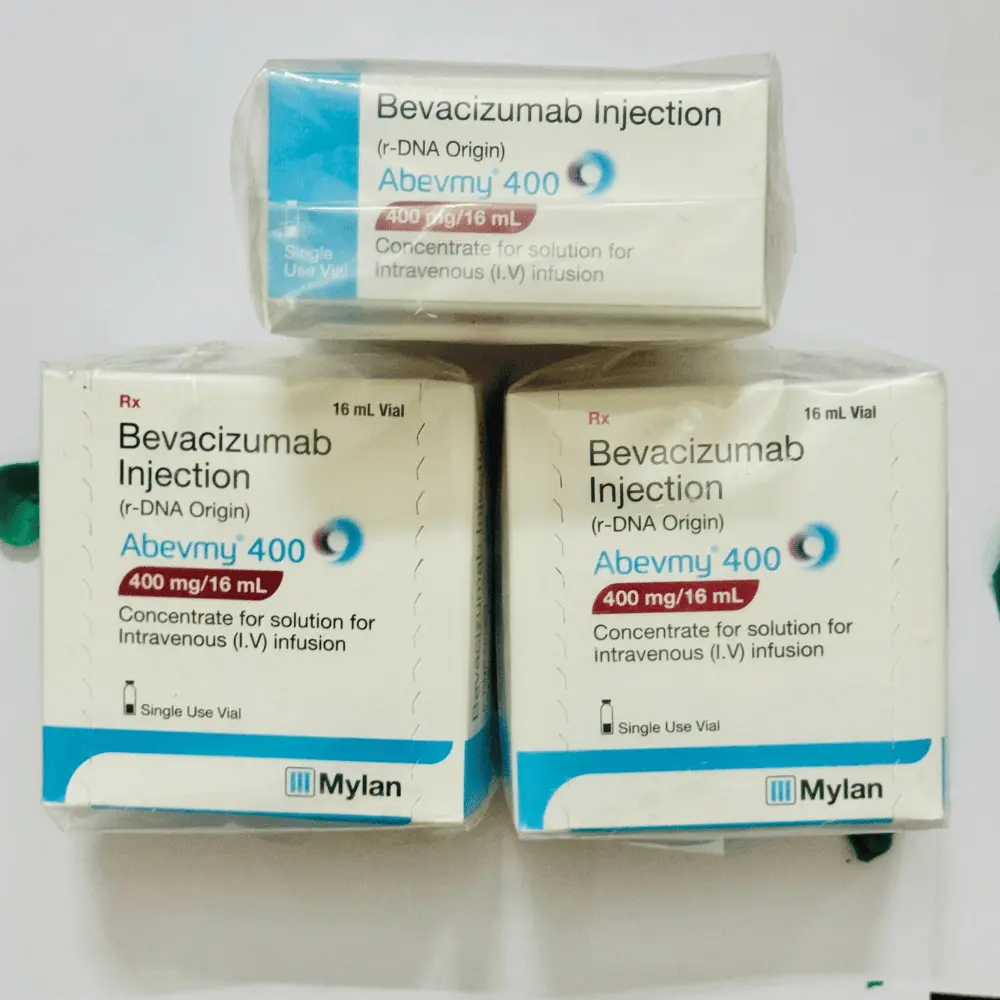
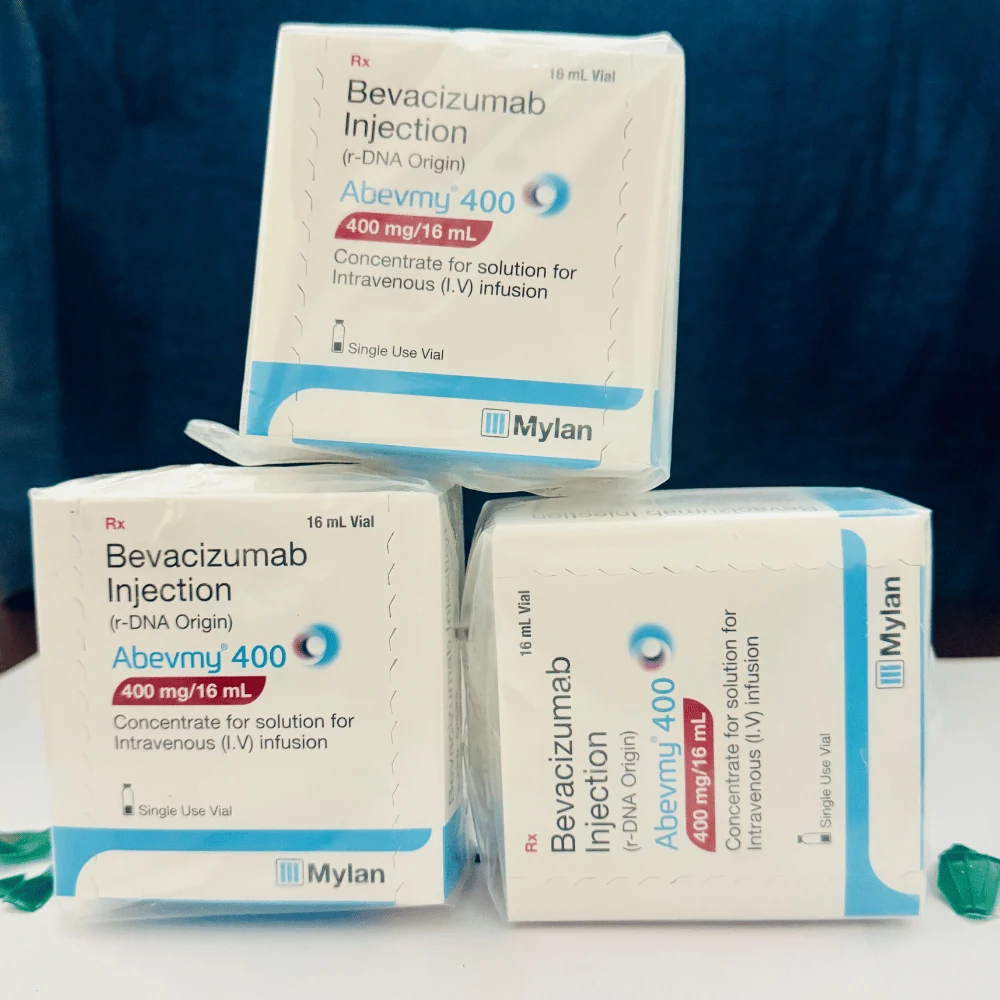
Abevmy 400mg Injection is a high-potency, targeted biological medication supplied as a single-dose vial containing 400 mg of bevacizumab in a 16 mL solution (25 mg/mL). Manufactured by Mylan Pharmaceuticals Pvt. Ltd. (a Viatris company), Abevmy is a biosimilar to the reference drug Avastin.
Containing a recombinant humanized immunoglobulin G1 ($\text{IgG}_1$) monoclonal antibody, Abevmy acts as a selective angiogenesis inhibitor. Rather than destroying cells directly like traditional cytotoxic chemotherapy, Abevmy inhibits the development of new blood vessels that solid tumors rely on to receive oxygen and nutrients.
Molecular Pharmacology & Mechanism of Action
Solid tumors require a dedicated blood supply to grow larger than 1 to 2 millimeters. To achieve this, malignant cells secrete a signaling protein known as Vascular Endothelial Growth Factor A (VEGF-A) into the surrounding tissue. VEGF-A binds to endothelial cell receptors (VEGFR-1 and VEGFR-2) on existing blood vessels, triggering new vessel growth—a process called tumor angiogenesis.
[Tumor Cells Secretes VEGF-A]
             │
             ▼
[VEGF-A Binds to Endothelial Receptors (VEGFR-1/2)]
             │
             ▼
  [ABEVMY (Bevacizumab) NEUTRALIZES VEGF-A]
             │
             ▼
[Halts Angiogenesis + Vessel Regression + Improved Chemotherapy Penetration]
Targeted Angiogenesis Blockade
-
Selective Binding: Bevacizumab binds directly to circulating human VEGF-A molecules, preventing them from attaching to their receptors on endothelial cells.
-
Vessel Regression & Inhibition: Blocking VEGF signals starves the tumor, inducing regression of newly formed, abnormal blood vessels and preventing additional vessel creation.
-
Tumor Vasculature Normalization: Abevmy temporarily lowers interstitial fluid pressure within the tumor core, improving blood flow and allowing co-administered chemotherapy agents to penetrate tumor tissue more effectively.
Approved Therapeutic Indications
Abevmy 400mg Injection is indicated for adult patients across multiple advanced, recurrent, or metastatic cancers, usually in combination with platinum- or fluoropyrimidine-based chemotherapy regimens:
-
Metastatic Colorectal Cancer (mCRC): Combined with intravenous 5-fluorouracil-based chemotherapy (e.g., FOLFOX or FOLFIRI) for first- or second-line treatment.
-
Advanced Non-Small Cell Lung Cancer (NSCLC): Combined with platinum-based chemotherapy for patients with unresectable, advanced, recurrent, or metastatic non-squamous NSCLC.
-
Metastatic Renal Cell Carcinoma (mRCC): Combined with interferon alfa-2a for advanced or metastatic kidney cancer.
-
Glioblastoma Multiforme (GBM): Used as a single agent or combination therapy for patients with recurrent glioblastoma (a primary brain cancer).
-
Epithelial Ovarian, Fallopian Tube, or Primary Peritoneal Cancer: Combined with carboplatin and paclitaxel for newly diagnosed advanced disease, or for platinum-sensitive/resistant recurrent cases.
-
Persistent, Recurrent, or Metastatic Cervical Cancer: Combined with paclitaxel and cisplatin (or topotecan).
Administration & Dosing Guidelines
Abevmy 400mg is a biological concentrate that must be diluted in 0.9% Sodium Chloride (saline) by a healthcare professional and administered as an Intravenous (IV) infusion. It must never be given as an intravenous push or bolus.
Dosing & Infusion Schedule
-
Dose Calculation: Doses are calculated by an oncologist based on body weight (typically 5 mg/kg, 7.5 mg/kg, 10 mg/kg, or 15 mg/kg) and administered once every 2 weeks or every 3 weeks depending on the treatment protocol.
-
Stepwise Infusion Protocol:
-
First Infusion: Administered slowly over 90 minutes.
-
Second Infusion: If the first dose is tolerated without infusion-related reactions (such as fever, chills, or sudden changes in blood pressure), the second infusion may be given over 60 minutes.
-
Subsequent Infusions: If well tolerated, all subsequent infusions can be administered over 30 minutes.
-
[1st Infusion: 90 Minutes IV] ──► If Tolerated ──► [2nd Infusion: 60 Minutes IV] ──► If Tolerated ──► [Future Infusions: 30 Minutes IV]
Critical Surgical Timing Warning
Because Abevmy blocks new blood vessel growth, it impairs normal wound healing and increases surgical bleeding risks.
-
Pre-Surgery Suspension: Abevmy must be stopped at least 28 days (4 weeks) prior to elective major surgery.
-
Post-Surgery Resumption: Treatment should not be resumed for at least 28 days following surgery, and only once the surgical incision has completely healed.
Potential Side Effects & Clinical Management Strategies
Because Abevmy targets vascular pathways throughout the body, its side-effect profile centers around the cardiovascular, renal, gastrointestinal, and mucosal systems.
Common Side Effects
-
Cardiovascular: High blood pressure (hypertension).
-
Mucosal & Respiratory: Mild nosebleeds (epistaxis), rhinitis, nasal inflammation, or voice changes (hoarseness).
-
Renal: Protein in urine (proteinuria).
-
Dermatological & Systemic: Dry skin, exfoliative dermatitis, altered taste, headaches, back pain, or fatigue.
Serious Adverse Reactions (Require Immediate Medical Attention)
-
Gastrointestinal Perforations & Fistulas: Severe, sudden abdominal pain accompanied by fever, chills, nausea, or vomiting. Can be life-threatening.
-
Severe Hemorrhage / Bleeding: Coughing up blood (hemoptysis—especially in lung cancer patients), blood in vomit, dark/tarry stools, or unusual vaginal bleeding.
-
Arterial & Venous Thromboembolism: Deep vein thrombosis (DVT), pulmonary embolism (PE), heart attack, or stroke. Symptoms include leg pain/swelling, sudden shortness of breath, chest pain, or weakness on one side of the body.
-
Posterior Reversible Encephalopathy Syndrome (PRES): A rare neurological condition marked by severe headache, visual disturbances, confusion, or seizures.
Crucial Precautions & Clinical Safety Monitoring
Patients receiving Abevmy undergo structured laboratory and clinical monitoring prior to every infusion cycle.
Mandatory Monitoring Schedule
| Test Parameter | Recommended Frequency | Clinical Rationale |
| Blood Pressure Monitoring | Before every infusion; weekly home checks | Detects systemic hypertension early, allowing prompt management with oral anti-hypertensives. |
| Urinalysis (Dipstick / 24-hr Collection) | Before every single dose | Checks for proteinuria. Infusions are paused if urine protein exceeds 2 grams per 24 hours. |
| Complete Blood Count (CBC) | Baseline and prior to each cycle | Monitors white blood cells, red blood cells, and platelets, especially when co-administered with cytotoxic chemotherapy. |
| Surgical Wound Inspection | Continuous throughout therapy | Ensures surgical incisions are fully healed before starting or resuming treatment to prevent wound breakdown. |
Special Population Guidelines & Contraindications
-
Pregnancy (Strictly Unsafe): Abevmy disrupts blood vessel development and can cause severe fetal harm or pregnancy loss. Females of childbearing potential must use effective contraception during treatment and for at least 6 months after the final dose.
-
Breastfeeding (Contraindicated): It is unknown if bevacizumab passes into breast milk, but due to potential adverse effects on infant growth and vascular development, breastfeeding is contraindicated during treatment and for at least 6 months after the last dose.
-
Squamous Cell Lung Cancer Warning: Abevmy carries a high risk of fatal lung bleeding (hemoptysis) in patients with central squamous cell lung cancer histology. It is generally not recommended for this subtype.
-
Pediatric Use: Safety and effectiveness in children and adolescents under 18 years of age have not been established.
Storage, Handling, and Quality Compliance
-
Refrigeration Required: Store Abevmy 400mg/16mL vials in a refrigerator between 2°C and 8°C (36°F to 46°F).
-
Protect from Light: Keep the vial inside its original outer carton to protect it from light.
-
Do Not Freeze or Shake: Freezing destroys the protein structure of the monoclonal antibody. Shaking the vial vigorously can cause protein denaturation.
-
Dilution Diligence: Once diluted in 0.9% Sodium Chloride (saline) by the hospital pharmacy under sterile conditions, the infusion solution should ideally be used immediately.
-
Manufacturing Standards: Manufactured by Mylan Pharmaceuticals Pvt. Ltd., Abevmy is produced in facilities compliant with global regulatory standards, including WHO-GMP and ISO quality certifications.
Frequently Asked Questions (FAQs)
Q1: Is Abevmy 400mg a chemotherapy medication?
No. Abevmy is a targeted biological therapy (a monoclonal antibody), not a traditional chemotherapy agent. Traditional chemotherapy directly targets fast-dividing cells, while Abevmy blocks the blood supply that allows tumors to grow. It is, however, frequently given alongside standard chemotherapy.
Q2: What happens if my blood pressure increases while taking Abevmy?
Mild to moderate blood pressure increases are common with bevacizumab and can usually be managed with standard oral blood pressure medications without stopping cancer treatment. If blood pressure becomes dangerously high or difficult to control, your oncologist will pause Abevmy until your readings stabilize.
Q3: Why is a urine test required before every infusion?
Abevmy can affect the tiny blood vessels in your kidneys, causing protein to leak into your urine (proteinuria). Routine dipstick checks ensure your kidneys are handling the medication safely before each dose is given.
Medical Disclaimer
This guide is strictly for educational and informational purposes and should not replace professional medical advice, diagnosis, or treatment. Always consult a qualified oncologist or healthcare professional before making any decisions regarding cancer therapy or prescription medications.
References
-
National Center for Biotechnology Information (NCBI):
-
StatPearls Review: Bevacizumab Pharmacology and Clinical Applications. https://www.ncbi.nlm.nih.gov/books/NBK482382/
-
PMC Clinical Studies: Biosimilars of Bevacizumab in Oncology Management. https://pmc.ncbi.nlm.nih.gov/articles/PMC8323678/
-
-
U.S. Food and Drug Administration (FDA):
-
Avastin/Bevacizumab Prescribing Information & Safety Updates. https://www.accessdata.fda.gov/drugsatfda_docs/label/2014/125085s301lbl.pdf
-
-
MedlinePlus Drug Information (US National Library of Medicine):
-
Bevacizumab Injection Monograph. https://medlineplus.gov/druginfo/meds/a607001.html
-
-
Electronic Medicines Compendium (EMC):
-
Bevacizumab 25mg/ml Concentrate for Solution for Infusion. https://www.medicines.org.uk/emc/product/3807/smpc
-
Reviews
There are no reviews yet.