
Description
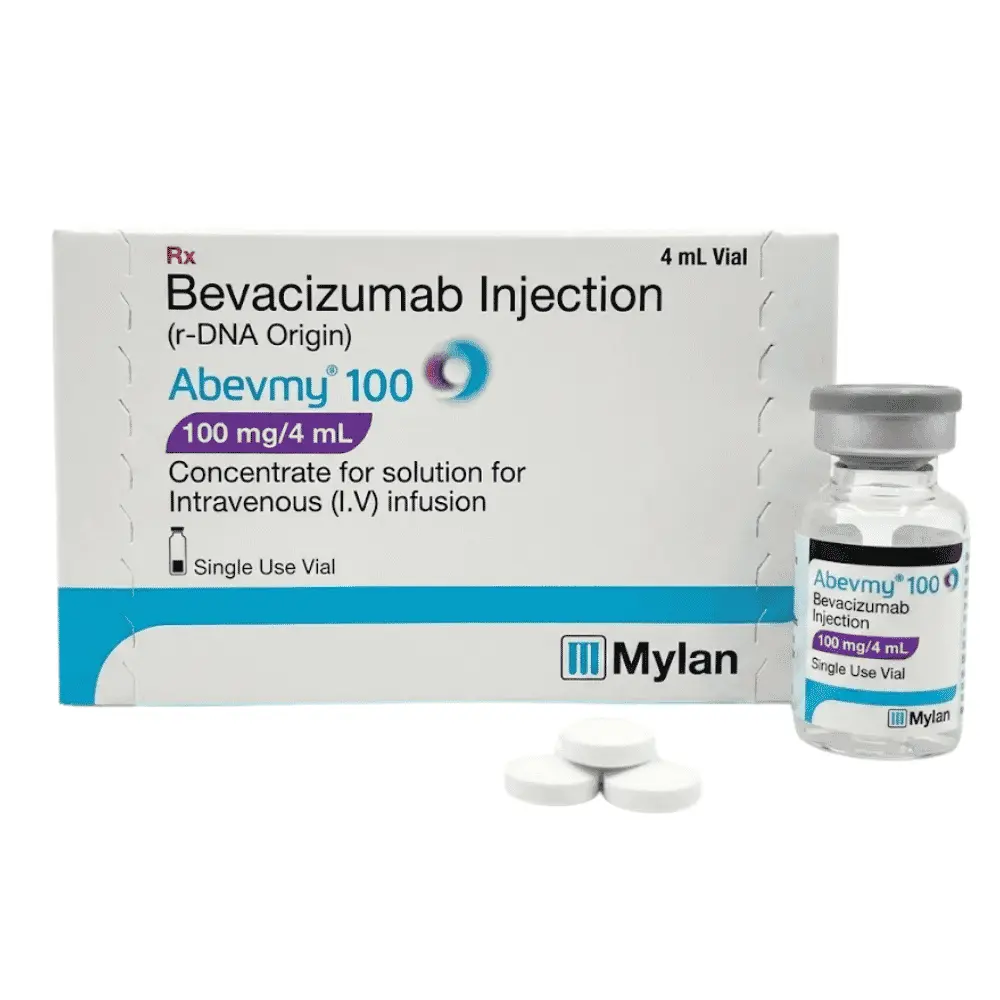
Comprehensive Patient & Clinician Guide to Abevmy 100mg Injection (Bevacizumab)
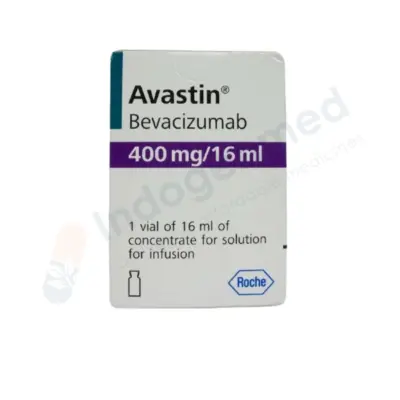
Abevmy 100mg Injection is a targeted, prescription-only anti-cancer biopharmaceutical. It contains bevacizumab as its active constituent, which is a recombinant humanized monoclonal antibody.
Developed to impede blood supply to tumor cells, Abevmy is widely used in systemic chemotherapy regimens to treat various advanced, recurrent, and metastatic malignancies.
As a targeted biological therapy, Abevmy works differently from traditional cytotoxic chemotherapies.
Rather than directly poisoning cancer cells, it interferes with the cellular signals that allow solid tumors to build their own network of blood vessels.
What is Abevmy 100mg and How Does It Work?
For solid tumors to grow beyond a tiny size, they require a dedicated blood supply to deliver oxygen and essential nutrients. Tumor cells produce a specific signaling protein called Vascular Endothelial Growth Factor (VEGF-A) to trigger this growth. VEGF-A binds to receptors on nearby blood vessels, stimulating the formation of new blood vessels—a process called angiogenesis.
Mechanism of Action
Abevmy (bevacizumab) acts as a highly selective angiogenesis inhibitor:
-
Targeted Neutralization: Bevacizumab binds directly to circulating VEGF-A molecules.
-
Receptor Blockade: By locking onto VEGF-A, Abevmy prevents it from attaching to its natural endothelial receptors (VEGFR-1 and VEGFR-2).
-
Starving the Tumor: Without VEGF signals, existing abnormal blood vessels inside the tumor regress, and new blood vessel formation is halted.
-
Improving Chemotherapy Access: It helps normalize the remaining tumor blood vessels, temporarily lowering fluid pressure within the tumor and allowing co-administered chemotherapy drugs to penetrate more effectively.
Approved Therapeutic Indications
Abevmy 100mg Injection is indicated for adult patients across multiple oncology conditions, usually in combination with platinum- or fluoropyrimidine-based chemotherapy regimes:
-
Metastatic Colorectal Cancer (mCRC): Used as a first-line or second-line treatment alongside intravenous 5-fluorouracil-based chemotherapy.
-
Non-Small Cell Lung Cancer (NSCLC): Prescribed in combination with platinum-based chemotherapy for patients with unresectable, advanced, recurrent, or metastatic non-squamous NSCLC.
-
Metastatic Renal Cell Carcinoma (mRCC): Used together with interferon alfa-2a for advanced or metastatic kidney cancer.
-
Glioblastoma Multiforme (GBM): Used as a single agent or combined therapy for patients with recurrent glioblastoma (a primary brain cancer).
-
Advanced Epithelial Ovarian, Fallopian Tube, or Primary Peritoneal Cancer: Given alongside carboplatin and paclitaxel for newly diagnosed advanced stages, or in platinum-resistant/sensitive recurrent cases.
-
Persistent, Recurrent, or Metastatic Cervical Cancer: Combined with paclitaxel and cisplatin (or topotecan).
Administration and Dosing Guidelines
Abevmy is a biological concentrate that must be diluted by a trained healthcare professional and administered strictly as an Intravenous (IV) infusion. It should never be administered as an intravenous push or bolus.
Dosing Protocols
-
Individualized Calculation: Dosing is calculated by your oncologist based on body weight (e.g., 5 mg/kg, 7.5 mg/kg, 10 mg/kg, or 15 mg/kg) and administered once every 2 weeks or every 3 weeks, depending on the specific cancer protocol.
-
Initial Infusion Duration: The first dose is administered slowly over 90 minutes.
-
Subsequent Infusions: If the first dose is tolerated well without fever, chills, or hypersensitivity reactions, the second infusion may be shortened to 60 minutes. Subsequent doses may be given over 30 minutes.
Critical Surgical Timing Warning
Because Abevmy halts new blood vessel formation, it severely impairs normal wound healing.
-
Pre-Surgery Suspension: Abevmy must be stopped at least 28 days (4 weeks) before any elective or major surgery.
-
Post-Surgery Delay: Treatment should not be resumed for at least 28 days after surgery, and only once the surgical incision has completely healed.
Potential Side Effects and Management Strategies
Because Abevmy targets blood vessels throughout the body, its side-effect profile centers around the cardiovascular, renal, and mucosal systems.
Common Side Effects
-
Hypertension (High Blood Pressure): The most frequent complication; requires routine monitoring.
-
Mild Mucosal Bleeding: Nosebleeds (epistaxis) are common.
-
Proteinuria: Small amounts of protein leaking into the urine.
-
Gastrointestinal Symptoms: Loss of appetite, diarrhea, nausea, constipation, or changes in taste.
-
Skin & Fatigue: Dry skin, headache, voice changes (hoarseness), or general body fatigue.
Serious Adverse Reactions (Require Immediate Medical Attention)
-
Gastrointestinal Perforations & Fistulas: Severe, sudden abdominal pain, high fever, or severe nausea. This can be life-threatening.
-
Severe Bleeding / Hemorrhage: Coughing up blood (hemoptysis—especially in lung cancer patients), dark/tarry stools, or unusual vaginal bleeding.
-
Impaired Wound Healing: Surgical incisions opening up, bleeding, or failing to close.
-
Thromboembolic Events: Blood clots in veins or arteries, presenting as sudden leg swelling, chest pain, shortness of breath, or stroke symptoms.
-
Posterior Reversible Encephalopathy Syndrome (PRES): A rare neurological disorder marked by severe headache, visual disturbances, confusion, or seizures.
Precautions and Monitoring Protocols
Patients receiving Abevmy undergo structured clinical tracking throughout their treatment cycle to prevent vascular complications.
Essential Clinical Baseline & Routine Testing
| Test Category | Frequency | Rationale |
| Blood Pressure Checks | Before every infusion; home checks every 1–2 weeks | Detects systemic hypertension early, allowing prompt treatment with standard antihypertensives. |
| Urinalysis (Dipstick / 24-hr Collection) | Before every single dose | Checks for proteinuria (protein leakage). Doses are withheld if urine protein exceeds 2 grams per 24 hours. |
| Complete Blood Count (CBC) | Before each cycle | Evaluates white blood cells, red blood cells, and platelets, especially when co-administered with chemotherapy. |
| Surgical Incision Assessment | Continuous | Ensures full healing before resuming or starting therapy to prevent wound breakdown. |
Special Population Guidelines & Contraindications
-
Pregnancy (Strictly Unsafe): Abevmy disrupts blood vessel development and causes severe fetal harm or pregnancy loss. Females of childbearing potential must use effective contraception during treatment and for at least 6 months after the final dose.
-
Breastfeeding (Unsafe): It is unknown whether bevacizumab passes into human milk, but because of the potential for severe adverse reactions in infants, breastfeeding is contraindicated during treatment and for 6 months after the last dose.
-
Squamous Cell Lung Cancer: Abevmy carries a high risk of fatal lung hemorrhage in patients with central, squamous cell lung histology, making it generally non-recommended for this subtype.
-
Cardiovascular Conditions: Use with extreme caution in patients with a recent history of heart attack, stroke, angina, or unstable heart failure.
Storage and Handling Protocols
-
Refrigeration Required: Store Abevmy vials in a refrigerator between 2°C and 8°C (36°F to 46°F).
-
Protect from Light: Keep the vial inside its original outer carton to shield it from direct light.
-
Do Not Freeze or Shake: Freezing destroys the protein structure of the monoclonal antibody. Shaking the vial vigorously can cause protein denaturation.
-
Dilution Diligence: Once diluted in 0.9% Sodium Chloride (saline) by the hospital pharmacy, it should be used immediately.
Frequently Asked Questions (FAQs)
Q1: Is Abevmy 100mg a chemotherapy drug?
No. Abevmy is a targeted biological therapy (a monoclonal antibody), not a traditional chemotherapy agent. While traditional chemotherapy destroys fast-dividing cells directly, Abevmy cuts off the blood supply that allows tumors to grow. It is, however, frequently given alongside standard chemotherapy.
Q2: What happens if my blood pressure rises during treatment?
Mild to moderate high blood pressure is common with bevacizumab and can usually be managed with standard oral blood pressure medications without stopping cancer treatment. However, if blood pressure becomes dangerously high or uncontrollable, your oncologist will pause Abevmy until your readings stabilize.
Q3: Why do I need a urine test before every infusion?
Abevmy can affect the tiny blood vessels in your kidneys, causing them to leak protein into your urine (proteinuria). Routine dipstick checks ensure your kidneys are handling the medication safely before each dose is given.
Q4: How long will I need to stay on Abevmy?
Treatment duration depends on how well the cancer responds and how well your body tolerates the therapy. In many cases, treatment continues as long as it keeps the disease under control and does not cause severe side effects.
Medical Disclaimer
This guide is for educational purposes only and should not replace professional medical advice, diagnosis, or treatment. Always consult a qualified oncologist or healthcare professional before making any decisions regarding cancer therapy or prescription medications.
References
-
National Center for Biotechnology Information (NCBI):
-
StatPearls Review: Bevacizumab Pharmacology & Clinical Indications. https://www.ncbi.nlm.nih.gov/books/NBK482382/
-
PMC Clinical Studies: Angiogenesis Inhibitors in Oncology Management. https://pmc.ncbi.nlm.nih.gov/articles/PMC11603540/
-
-
U.S. Food and Drug Administration (FDA):
-
Avastin/Bevacizumab Prescribing Information & Safety Guidelines. https://www.accessdata.fda.gov/drugsatfda_docs/label/2014/125085s301lbl.pdf
-
-
MedlinePlus Drug Information (US National Library of Medicine):
-
Bevacizumab Injection Overview. https://medlineplus.gov/druginfo/meds/a607001.html
-
-
Electronic Medicines Compendium (EMC):
-
Bevacizumab 25mg/ml Concentrate for Solution for Infusion. https://www.medicines.org.uk/emc/product/3807/smpc
-


Reviews
There are no reviews yet.