Liver Cancer
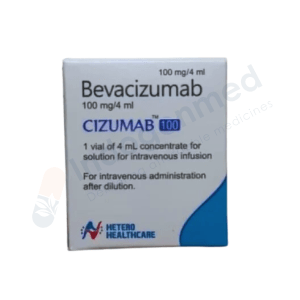
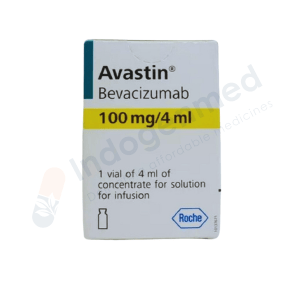
Abevmy 100 mg Injection
Hepanib 200 mg Tablets
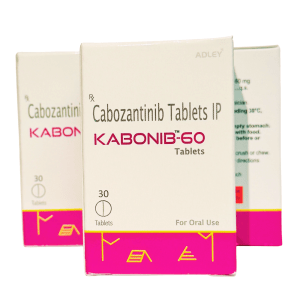
Kabonib 60 mg Tablets
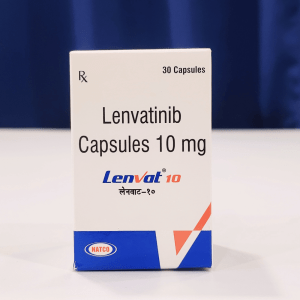
Lenvat 10 mg Capsules
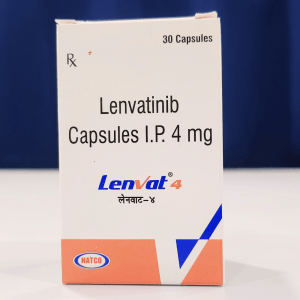
Lenvat 4 mg Capsules
Lenvaxen 10 mg Capsules
Livonibe 200 mg Tablets
Sorafenat 200 mg Tablets
Recently Viewed Products
Table of Contents
Liver cancer begins in liver cells. The liver is an important organ that helps with digestion, stores energy, removes toxins, and supports blood clotting. Liver cancer may grow inside the liver and, in some cases, spread to nearby tissues or other organs. Many cases are linked to long-term liver damage, such as cirrhosis.
Types of Liver Cancer
Hepatocellular carcinoma (HCC)
This is the most common type of primary liver cancer. It starts in the main liver cells (hepatocytes).
Intrahepatic cholangiocarcinoma
Cancer that starts in the small bile ducts inside the liver.
Rare types
Less common cancers include angiosarcoma and hepatoblastoma (mostly in children).
Common Symptoms
Early liver cancer may not cause clear symptoms. When symptoms appear, they can include:
- Pain or discomfort on the right side of the upper belly
- Loss of appetite and unexplained weight loss
- Feeling full quickly
- Nausea or vomiting
- Weakness and tiredness
- Yellow eyes/skin (jaundice)
- Swelling in the belly (fluid buildup)
- Itching or dark urine (in some cases)
Risk Factors
Liver cancer risk is higher in people with long-term liver disease, especially:
Liver scarring and chronic infection
- Cirrhosis (from any cause)
- Chronic hepatitis B
- Chronic hepatitis C
Lifestyle and metabolic causes
- Heavy alcohol use (can lead to cirrhosis)
- Fatty liver disease (NAFLD/NASH), often linked with obesity and diabetes
Other causes
- Long-term exposure to aflatoxin (contaminated food in some regions)
- Genetic iron overload (hemochromatosis) and some other rare liver diseases
How Liver Cancer is Diagnosed
Common tests
- Liver function tests (LFTs)
- Ultrasound of the liver
- CT scan or MRI (very important for confirming and staging)
- AFP blood test (may support diagnosis in some cases, not always)
Biopsy
A biopsy may be performed in selected cases, especially when scans are unclear.
Treatment Options
Treatment depends on the cancer type, size, spread, liver function, and overall health.
Surgery (when possible)
- Removing the tumor part of the liver (liver resection)
- Liver transplant (selected patients, especially when cirrhosis is present)
Local treatments (for small or limited tumors)
- Ablation (destroying the tumor with heat/cold)
- TACE/TARE (blocking tumor blood supply with medicines or radiation beads)
Medicines for advanced disease
- Targeted therapy (blocks cancer growth signals)
- Immunotherapy (helps the immune system fight cancer)
- Other medicines based on a specialist plan
Radiation and supportive care
Radiation may be used in selected cases. Supportive care helps with pain, appetite, nausea, and weakness.
Prevention and Early Care
- Hepatitis B vaccination
- Early testing and treatment for hepatitis B and C
- Limiting alcohol
- Managing weight, diabetes, and fatty liver
- Regular liver monitoring in high-risk patients (especially with cirrhosis)
When to Seek Urgent Medical Help
Get medical help quickly if you have:
- Sudden worsening jaundice
- Vomiting blood or black stools
- Severe belly swelling with breathlessness
- Confusion or unusual sleepiness
- High fever with strong right-sided belly pain (possible liver or bile infection)
Explore Liver Cancer Care
This category includes medicines used in the treatment of liver cancer and in supportive care, chosen as part of a specialist-led treatment plan.