Cervical Cancer
- Uncategorized
- Chronic Care
- Men's Health & Wellness
- Personal Care
- Speciality Medicines
- Back
- Rare Diseases
- Transplant & Immunology
- Arthritis
- Heart Medicines
- Hepatitis
- HIV & PrEP
- Kidney Medicines
- Multiple Sclerosis
- Oncology
- Back
- Bile Duct Cancer
- Bladder Cancer
- Blood Cancer
- Bone Cancer
- Brain Cancer
- Breast Cancer
- Cervical Cancer
- Chemotherapy Medicines
- Colorectal Cancer
- Kidney Cancer
- Liver Cancer
- Lung Cancer
- Lymphoma
- Multiple Myeloma
- Ovarian Cancer
- Pancreatic Cancer
- Prostate Cancer
- Skin Cancer
- Stomach Cancer
- Thyroid Cancer
- Wellness & Nutrition
- Women’s Health & Wellness
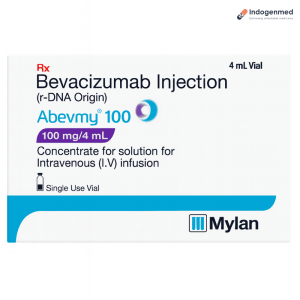
Abevmy 100 mg Injection
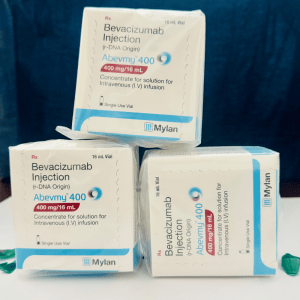
Abevmy 400 mg Injection
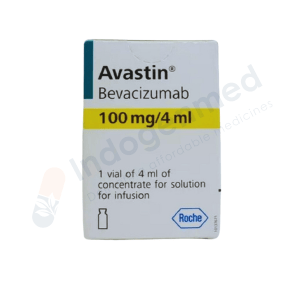
Avastin 100 mg Injection
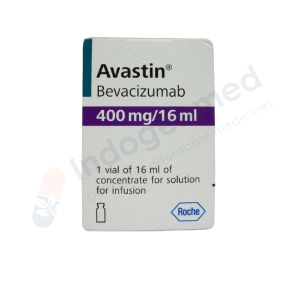
Avastin 400 mg Injection
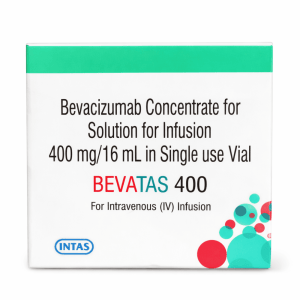
Bevatas 400 mg Injection
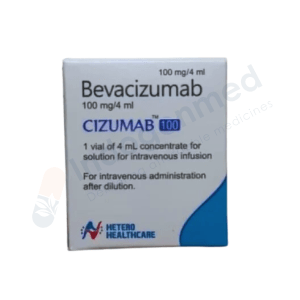
Cizumab 100 mg Injection
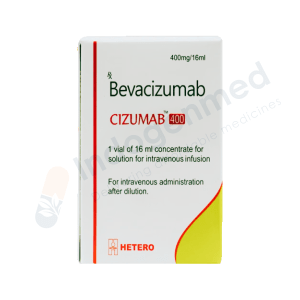
Cizumab 400 mg Injection
Myelostat 500 mg Capsule
Recently Viewed Products
Table of Contents
Cervical cancer is a cancer that begins in the cervix, which connects the uterus to the vagina. In most cases, it develops slowly over time. Many cervical cancers start as pre-cancer changes (abnormal cells on the cervix) that can be found early through screening and treated before they turn into cancer.
A major cause linked to cervical cancer is long-term infection with certain types of human papillomavirus (HPV). HPV is common, and most infections clear on their own, but some high-risk types can cause cell changes that may lead to cancer if not detected early.
Why cervical cancer matters
Cervical cancer can often be prevented or found early with:
- HPV vaccination
- Regular screening (Pap test and/or HPV test)
Early detection usually means simpler treatment and better outcomes.
Common Symptoms
Early cervical cancer may not cause symptoms. When symptoms appear, they can include:
Common symptoms
- Bleeding between periods
- Bleeding after sex
- Bleeding after menopause
- Unusual vaginal discharge (watery, foul-smelling, or blood-stained)
- Pelvic pain or pain during sex
Symptoms that can appear in advanced stages
- Persistent pelvic or back pain
- Swelling in legs
- Difficulty passing urine or blood in urine (in some cases)
- Weight loss and severe tiredness
Risk Factors
Cervical cancer risk can increase with:
HPV and sexual health factors
- Long-term high-risk HPV infection
- Early sexual activity or multiple sexual partners (increases HPV exposure)
- A partner who has had multiple partners
Other health and lifestyle factors
- Smoking
- Weak immune system (for example, untreated HIV)
- Long-term use of certain contraceptives (risk can vary, doctor-guided)
- Not getting regular cervical screening
- Having multiple full-term pregnancies (in some cases)
Screening and Early Detection
Screening helps detect pre-cancer changes before cancer develops.
Common screening tests
- Pap test (Pap smear)
- HPV test
- Visual inspection methods in some settings (doctor-guided)
Diagnosis
If screening is abnormal or symptoms suggest a problem, doctors may advise:
Tests commonly used
- Pelvic examination
- Colposcopy (a closer look at the cervix with a special instrument)
- Biopsy (most important to confirm cancer)
- Imaging tests (CT, MRI, PET-CT) to check spread and stage (if cancer is confirmed)
Treatment
Treatment depends on the stage, tumor size, and overall health.
Early-stage cervical cancer
- Surgery to remove the cancer (type depends on stage)
- In some cases, fertility-sparing options may be considered (specialist decision)
Locally advanced cervical cancer
- Radiation therapy
- Chemotherapy, along with radiation (often used together)
Advanced or recurrent cervical cancer
- Chemotherapy
- Targeted therapy or immunotherapy in selected cases
- Palliative/supportive care to improve comfort and quality of life
Supportive Care During Treatment
Many patients may need support for:
- Nausea and vomiting
- Pain control
- Infection prevention support (as advised)
- Nutrition and energy support
- Anemia or low blood counts (in selected cases)
Prevention
HPV vaccination
Helps protect against common high-risk HPV types and reduces cervical cancer risk.
Regular screening
Screening can detect changes early, often before cancer forms.
Safe practices
- Safer sex practices can lower HPV risk
- Avoid smoking, as it increases risk and affects healing
When to Seek Medical Help Quickly
Get medical help urgently if you have:
- Heavy vaginal bleeding
- Bleeding after menopause
- Severe pelvic pain with fever
- Weakness, dizziness, or fainting due to bleeding
- Rapidly worsening symptoms during treatment
Specialists to Consult
- Gynecologist
- Gynecologic oncologist (cervix cancer specialist)
- Radiation oncologist
- Medical oncologist
If you want, I can also write a shorter version for a category page header + a longer version for below the product list, both in the same style.