Description
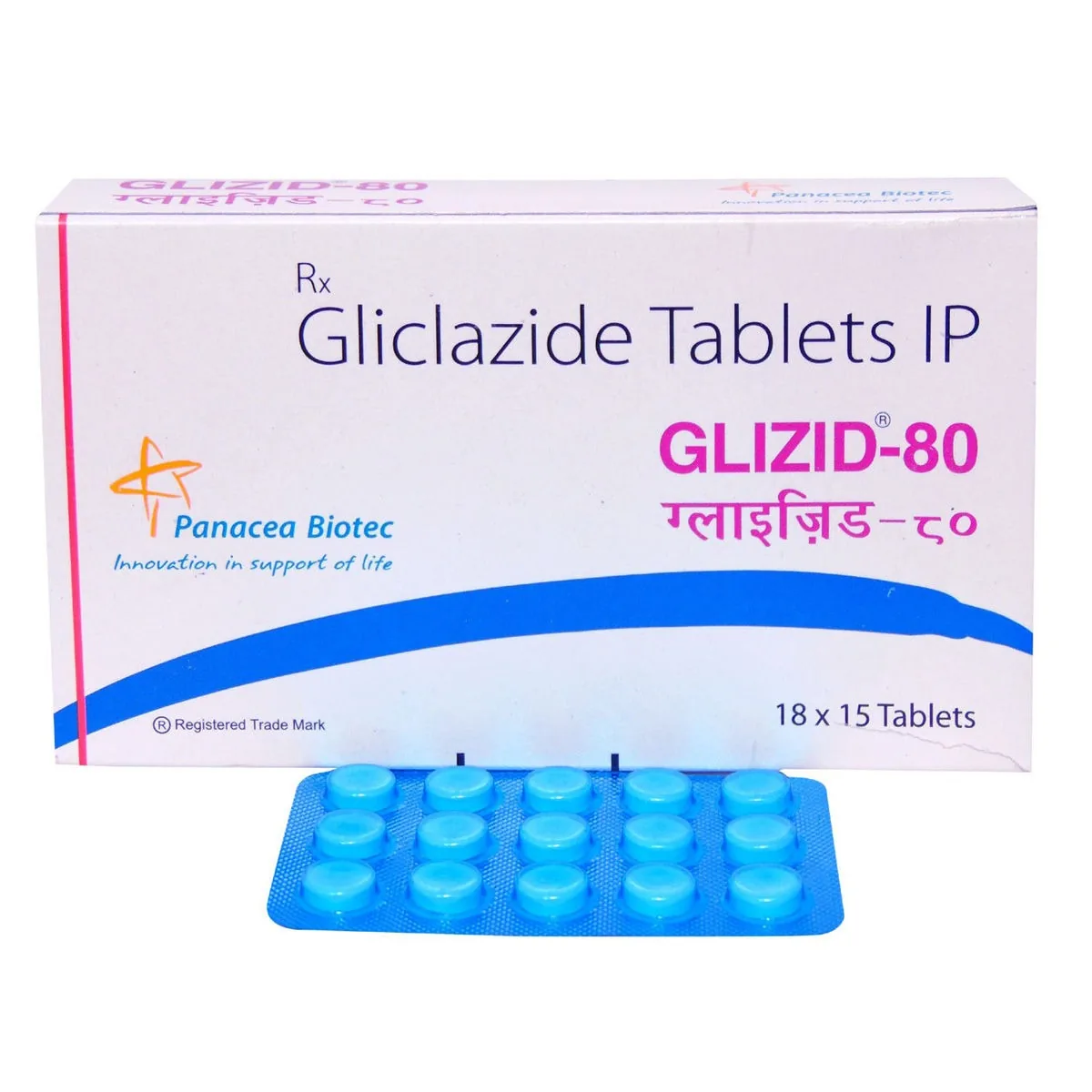
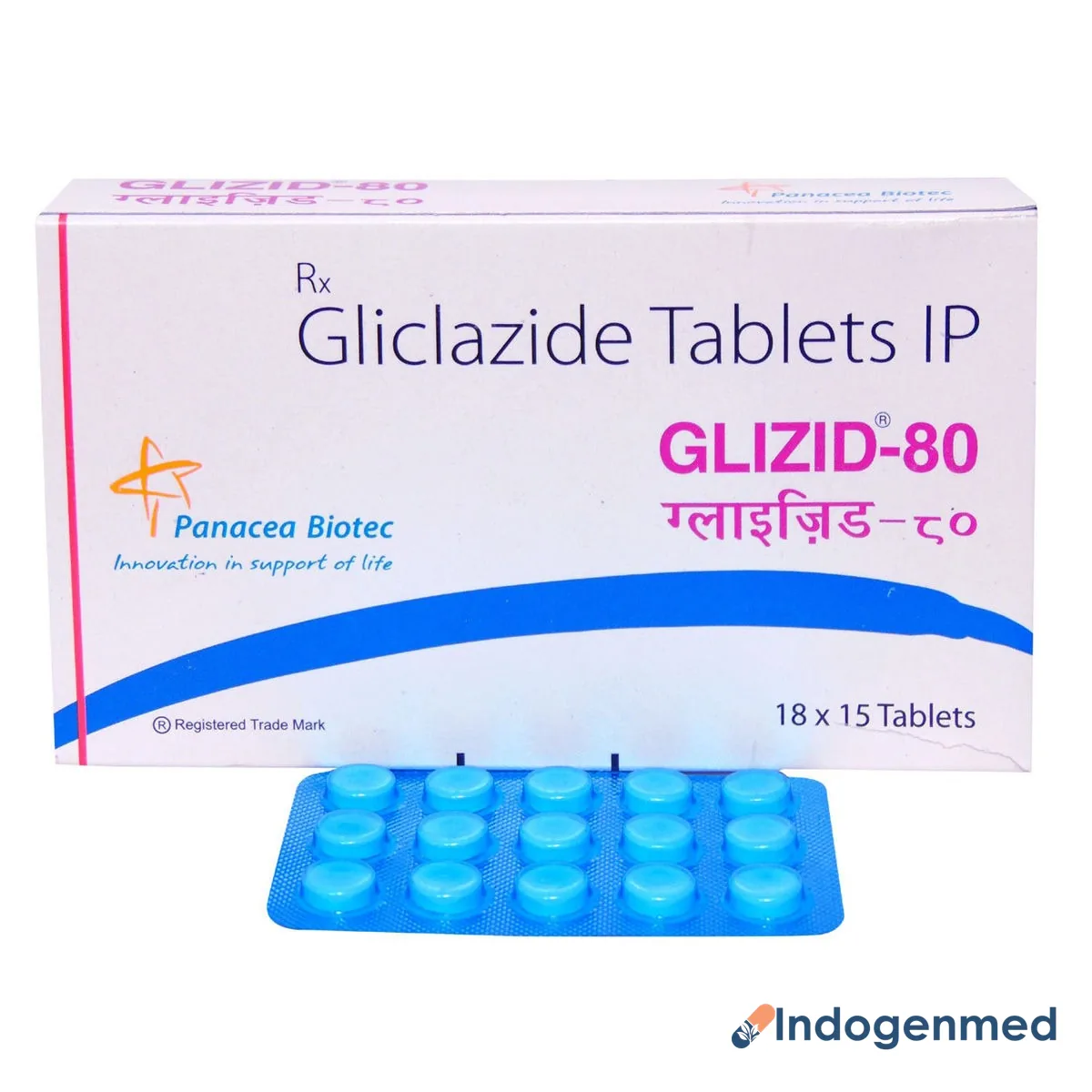
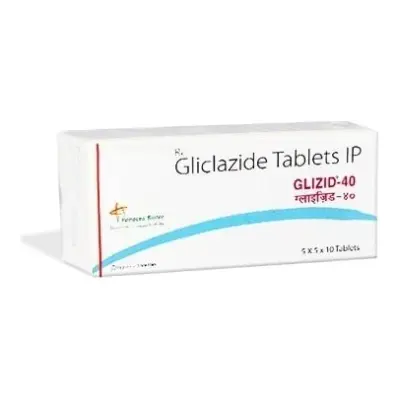
Glizid 80 Mg Tablets
Glizid 80 Mg Tablets contain gliclazide 80 mg, a second-generation sulfonylurea used to treat type 2 diabetes mellitus when diet, exercise, and sometimes metformin are not enough to control blood glucose. Gliclazide stimulates the pancreas to release insulin, mainly in response to meals. The 80 mg strength is used for patients who need a higher dose after the 40 mg dose has been titrated. The principal risk is hypoglycaemia, so regular meals and blood glucose monitoring are important.
Composition
| Active Ingredient | Strength |
|---|---|
| Gliclazide | 80 mg per tablet |
About the Manufacturer
Manufacturer details are printed on the pack and in the patient information leaflet supplied with each strip. Check the leaflet for the current prescribing information before use.
Mechanism of Action
Gliclazide blocks ATP-sensitive potassium channels on pancreatic beta cells, causing membrane depolarisation, calcium influx, and insulin secretion. Because insulin release is glucose-dependent, the hypoglycaemia risk rises when food intake is reduced or doses are poorly timed. Gliclazide also has modest extrapancreatic effects that may improve insulin sensitivity.
Indications
- Type 2 diabetes mellitus when diet and exercise alone are insufficient, or when the 40 mg dose is not enough
- Combination therapy with metformin or other glucose-lowering medicines, as prescribed
Dosage & Administration
- Swallow tablets whole with water, ideally with breakfast or the first main meal of the day
- Doses are adjusted by your prescriber based on blood glucose results. The usual maximum is 320 mg per day, divided into two doses if needed
- Do not change the dose yourself. Do not skip meals after taking the tablet
- Check blood glucose as recommended by your healthcare team, especially after dose changes
Special Populations
- Elderly: Higher risk of hypoglycaemia; close monitoring and careful dose titration are needed
- Renal impairment: Generally preferred over some other sulfonylureas in mild to moderate kidney impairment, with monitoring
- Hepatic impairment: Use with caution; severe impairment can increase hypoglycaemia risk
- Pregnancy and breastfeeding: Not recommended; discuss with a doctor, as insulin is usually preferred during pregnancy
- Children: Not routinely used; only under specialist supervision
Precautions
- Hypoglycaemia: Can be severe and prolonged. Keep a fast-acting sugar source available
- Alcohol: Can cause unpredictable blood sugar changes; limit intake and avoid drinking on an empty stomach
- Driving: Do not drive if you have low blood sugar or feel unwell
- Illness, fasting, or surgery: Dose may need adjustment; inform your doctor or surgical team
- G6PD deficiency: Sulfonylureas may cause haemolysis in susceptible individuals; use with caution
Contraindications
- Type 1 diabetes mellitus
- Diabetic ketoacidosis or diabetic coma
- Severe renal or hepatic impairment without specialist monitoring
- Known hypersensitivity to gliclazide, other sulfonylureas, sulfonamides, or any excipient
- Pregnancy and breastfeeding (unless specialist advice indicates otherwise)
Side Effects
- Very common: Hypoglycaemia
- Common: Nausea, stomach discomfort, diarrhoea, constipation, dizziness, weight gain
- Less common: Skin rash, itching, headache, temporary visual changes
- Rare: Liver enzyme elevation or hepatitis, jaundice, low platelet or white cell counts, allergic reactions, photosensitivity
- Seek medical help for: Yellow skin or eyes, unusual bruising or bleeding, severe or repeated hypoglycaemia
Drug Interactions
- Fluconazole and miconazole: Can markedly increase hypoglycaemia risk
- Beta-blockers: May mask symptoms of hypoglycaemia
- NSAIDs and sulfonamide antibiotics: Can enhance glucose-lowering effects
- Corticosteroids and thiazide diuretics: Can raise blood sugar and reduce gliclazide’s effect
- Alcohol: Effects can be unpredictable
Storage
Store below 30°C in a dry place, protected from light and moisture. Keep in the original packaging. Keep out of reach of children. Do not use after the expiry date printed on the pack.
Related Products
- Glizid 40 Mg Tablets – gliclazide 40 mg starting strength
- Glycomet 850 Mg Tablets – metformin for type 2 diabetes
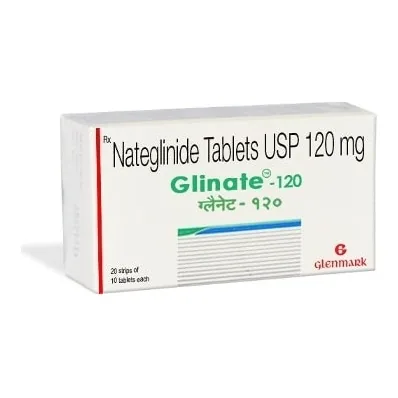
- Glinate 120 Mg Tablets – meglitinide glucose-lowering tablet
Frequently Asked Questions
- What is Glizid 80 Mg used for?
- Glizid 80 Mg is used to lower blood sugar in adults with type 2 diabetes who need a higher dose of gliclazide than the 40 mg tablet provides, usually alongside diet and exercise.
- Is Glizid 80 Mg the same as Glizid 40 Mg?
- Both contain gliclazide, but in different strengths. Your prescriber chooses the strength and number of tablets based on your blood glucose response. Do not switch between strengths without medical advice.
- What if I miss a dose?
- If you remember on the same day, take it with a meal. If it is almost time for the next dose, skip the missed one. Never take two doses together to make up for a missed one, as this increases the risk of hypoglycaemia.
- Can it cause weight gain?
- Some people gain weight on sulfonylureas, because insulin promotes fat storage. Diet, activity, and regular review with your doctor can help manage this.
References
- NHS – Type 2 Diabetes: Treatments
- MedlinePlus – Drug Information Index (gliclazide)
- FDA – Drugs (gliclazide and sulfonylurea prescribing information)
- EMA – Medicines (gliclazide product information)
Disclaimer: This page is for informational purposes only and does not constitute medical advice. Glizid 80 Mg Tablets must be prescribed and monitored by a qualified healthcare professional. Never change your dose without medical advice. Seek urgent help for severe or repeated hypoglycaemia, confusion, or loss of consciousness.

Reviews
There are no reviews yet.