
Description
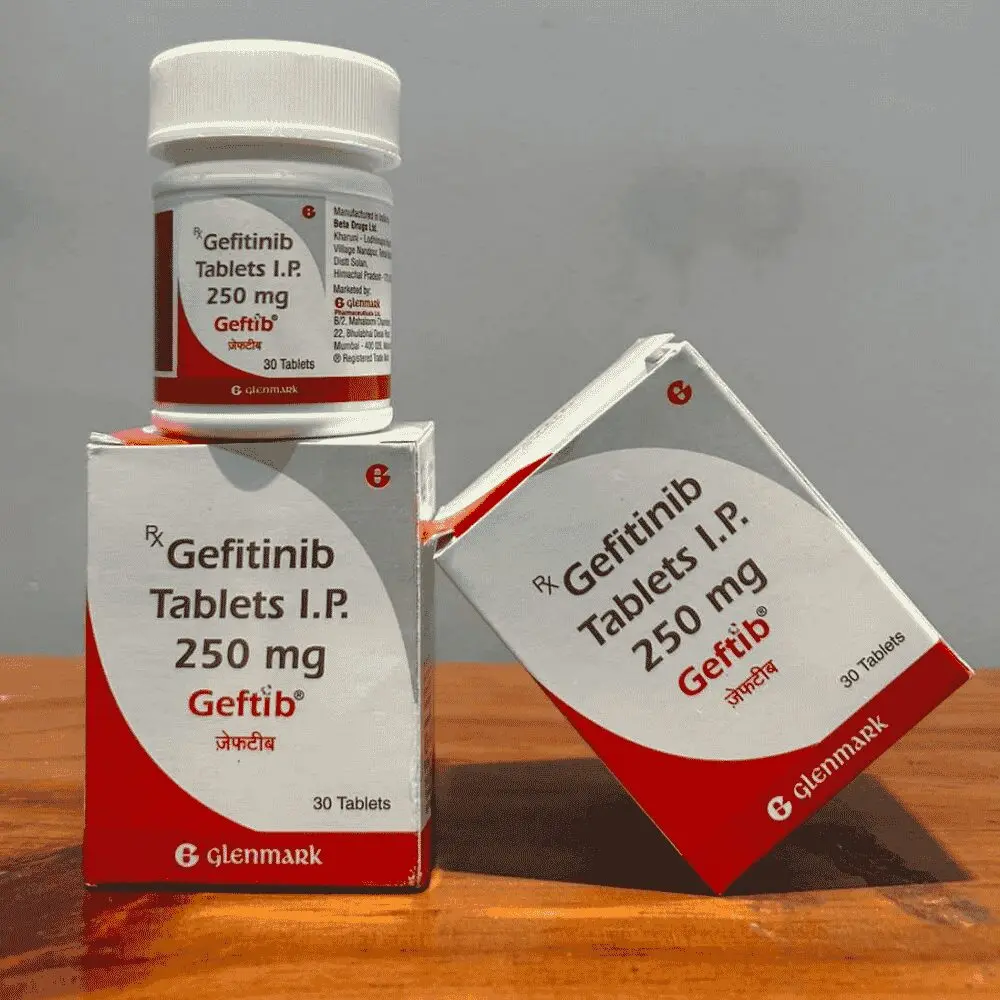
Comprehensive Patient & Clinician Guide to Geftib 250mg Tablet (Gefitinib)
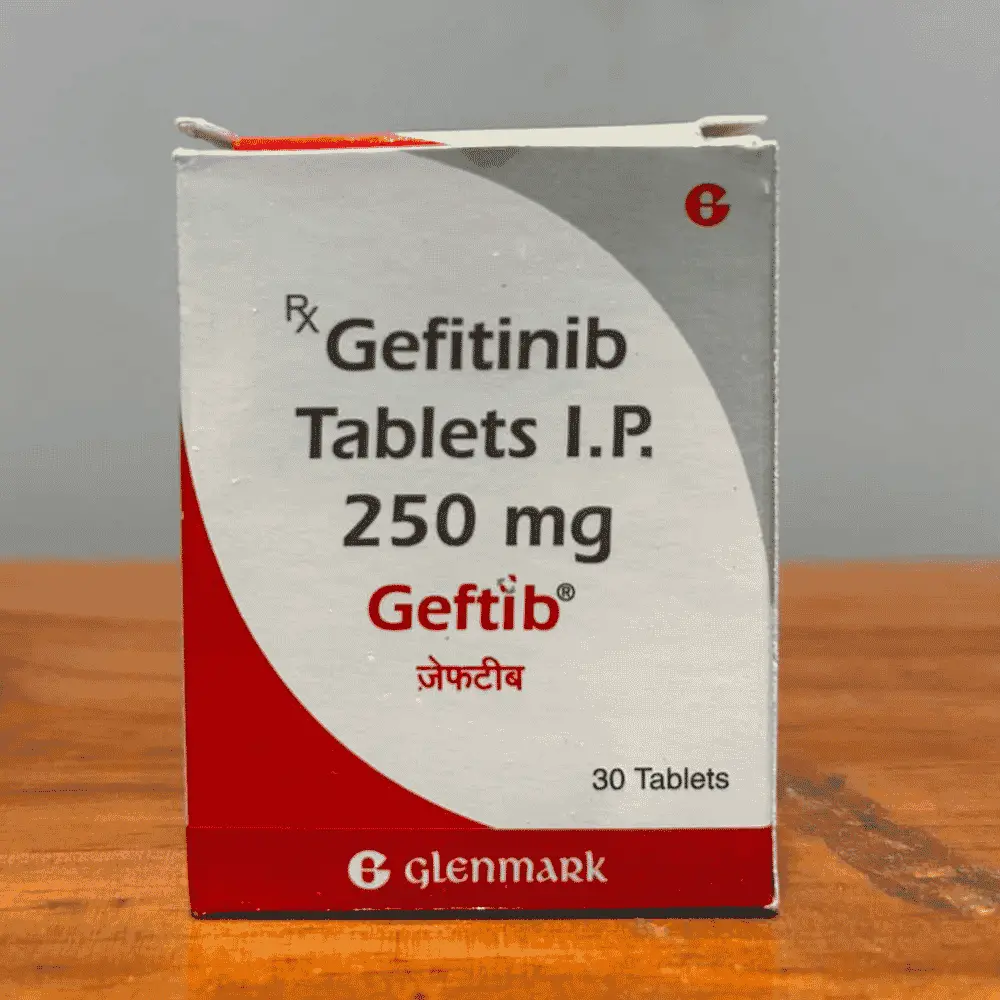
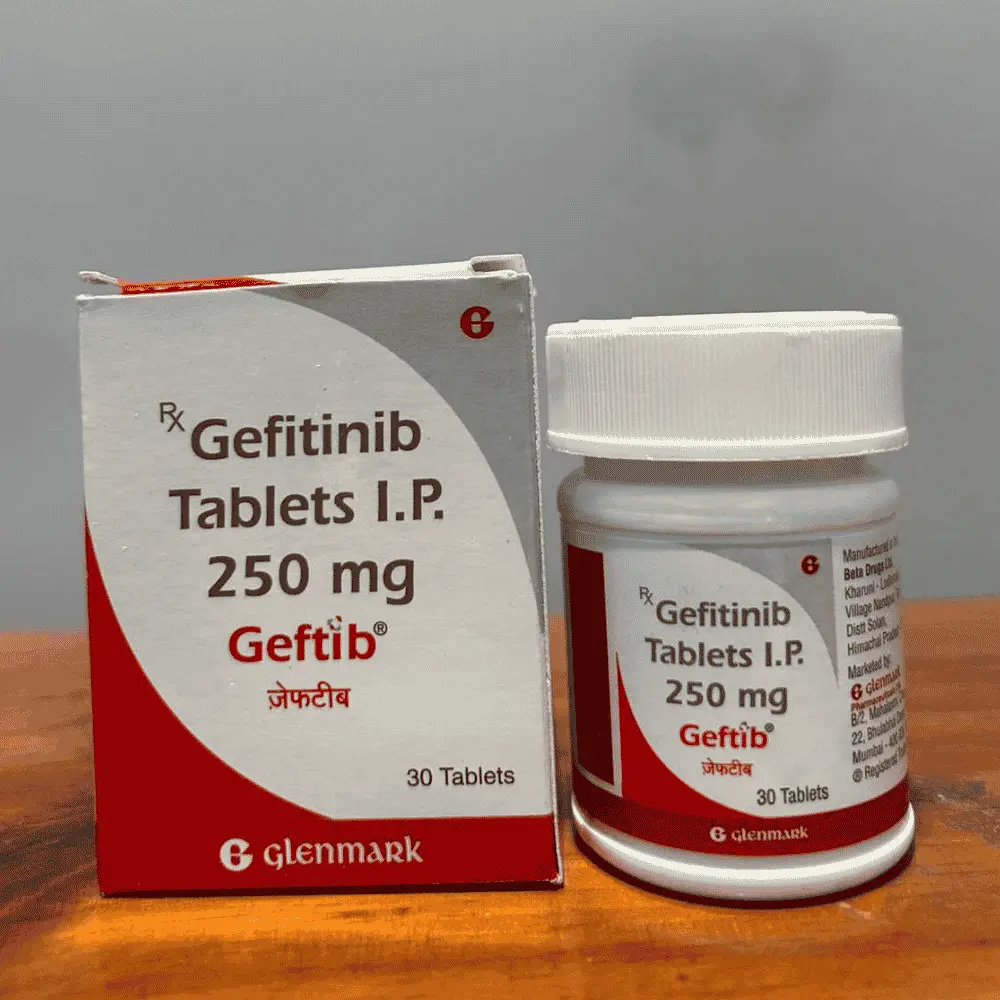
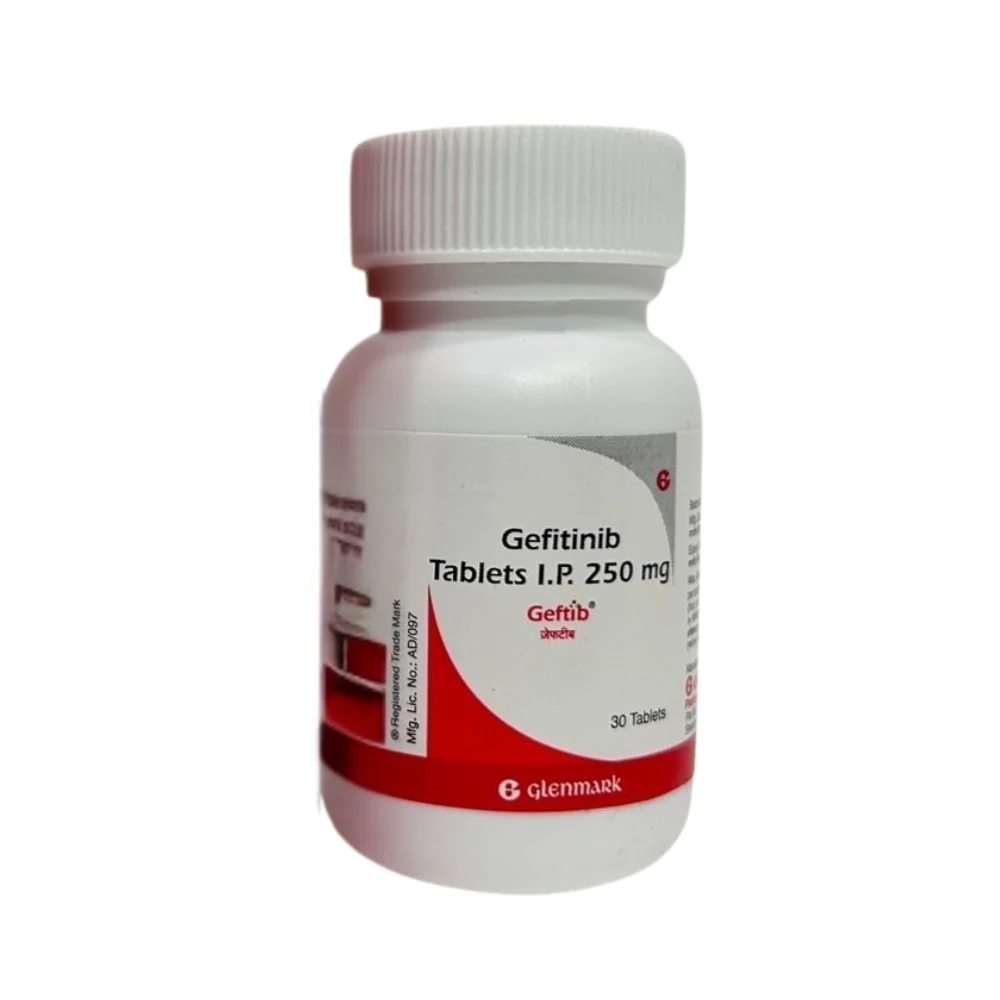
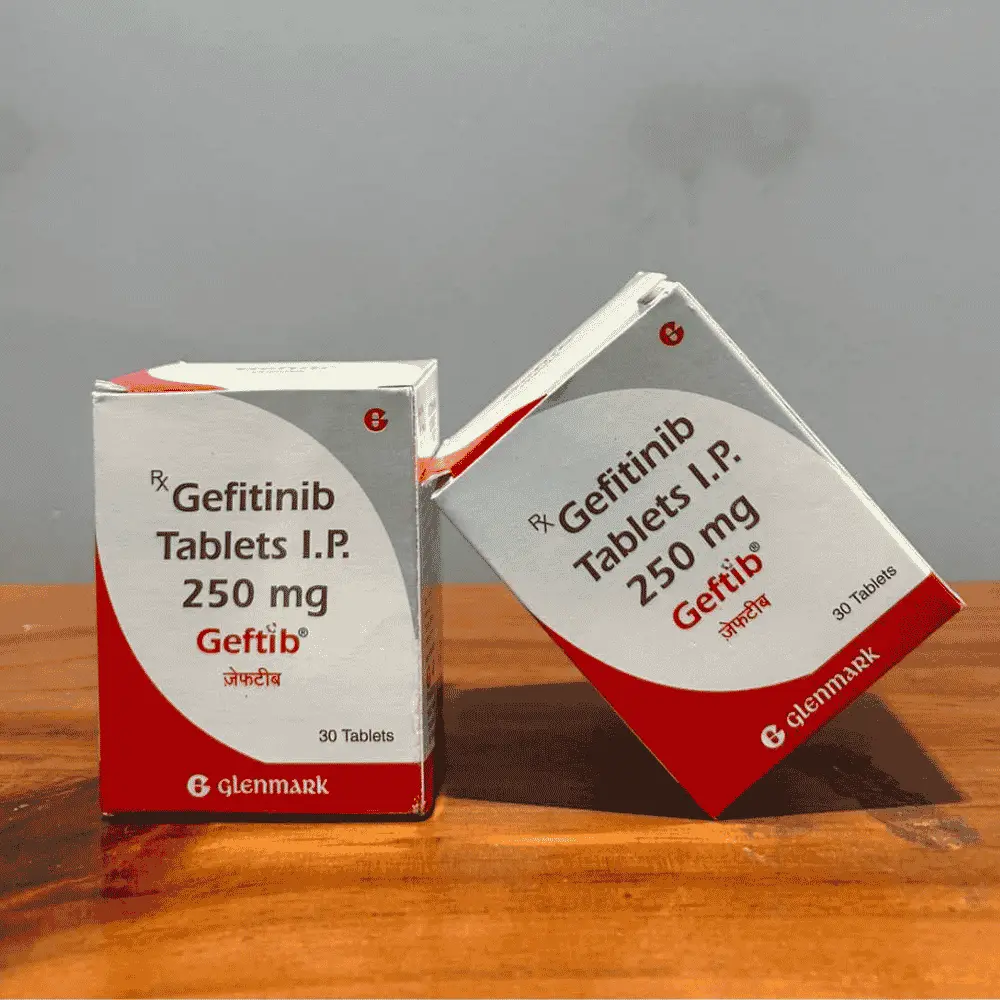
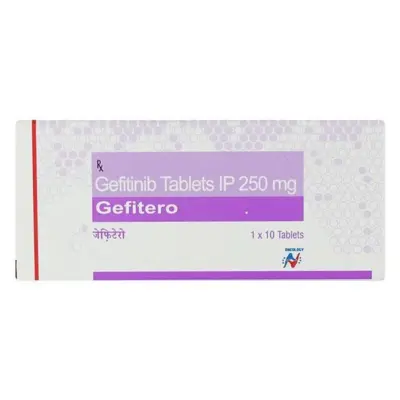
Geftib 250mg Tablet is a targeted oral anti-cancer medication classified as an epidermal growth factor receptor tyrosine kinase inhibitor (EGFR-TKI). Formulated and manufactured by Cipla Ltd., each film-coated tablet contains 250 mg of gefitinib.
Geftib is prescribed under specialist oncology supervision for the treatment of advanced or metastatic non-small cell lung cancer (NSCLC) harboring specific EGFR gene mutations.
Unlike traditional cytotoxic chemotherapy, which targets rapidly dividing cells indiscriminately throughout the body, Geftib provides precision therapy by directly inhibiting the altered enzyme signal that drives cancer cell proliferation, survival, and spread.
Molecular Pharmacology & Mechanism of Action
To understand how Geftib works, it helps to examine the cellular mechanics of non-small cell lung cancer. The Epidermal Growth Factor Receptor (EGFR) is a transmembrane glycoprotein expressed on the surface of epithelial cells.
In normal tissue, EGFR regulates cell growth, differentiation, and repair. However, in certain lung cancers, mutations in the intracellular tyrosine kinase domain of the EGFR gene cause the receptor to remain continuously activated without needing external growth signals.
-
Competitive Inhibition: Gefitinib selectively and reversibly binds to the adenosine triphosphate (ATP)-binding site located within the intracellular tyrosine kinase domain of the EGFR protein.
-
Signal Interruption: By preventing ATP binding, Geftib blocks autophosphorylation of the receptor. This shuts down major downstream intracellular signaling cascades, including the RAS/RAF/MAPK, PI3K/Akt, and STAT pathways.
-
Tumor Regression: Deprived of these critical survival signals, malignant lung cancer cells stop dividing, detach from neighboring tissue, and undergo programmed cell death (apoptosis).
Approved Therapeutic Indications
Geftib 250mg Tablet is indicated for adult patients in the following clinical setting:
-
EGFR Mutation-Positive Non-Small Cell Lung Cancer (NSCLC): Prescribed as a first-line therapy (or in patients with relapsed/refractory disease) for locally advanced, unresectable, or metastatic non-small cell lung cancer whose tumors harbor activating mutations in the EGFR gene—most commonly Exon 19 deletions or Exon 21 L858R substitution mutations.
Diagnostic Prerequisite: Prior to initiating treatment with Geftib 250mg, the presence of an activating EGFR mutation must be confirmed using a validated molecular diagnostic test (such as tissue biopsy RT-PCR or liquid biopsy plasma testing). Geftib shows limited efficacy in EGFR wild-type tumors.
Standard Dosage and Administration Guidelines
Geftinib 250 mg must be taken strictly as directed by your oncologist. Never adjust your dose or stop taking the medication without consulting your medical team.
Standard Dosage
-
Recommended Dose: The standard adult dose is one 250mg tablet taken orally once daily.
-
Food Considerations: Geftib can be taken with or without food. Taking it at the same time every day helps maintain stable blood concentrations and builds a consistent routine.
Administration Methods
-
Swallow Whole: Swallow the tablet whole with a full glass of water. Do not chew, crush, or split the tablet.
-
Alternative Dispersion Method (For Swallowing Difficulties): Patients who are unable to swallow solid tablets (e.g., due to dysphagia) can disperse the intact tablet in half a glass of non-carbonated drinking water (approximately 4 to 8 ounces).
-
Drop the tablet into water without crushing it.
-
Stir occasionally for approximately 15 to 20 minutes until the tablet disperses into fine particles.
-
Drink the liquid immediately. Rinse the glass with a small amount of water and drink that as well to ensure the full dose is received.
-
The liquid can also be administered via a nasogastric (NG) tube if clinically necessary.
-
Missed Dose Instructions
If you miss a dose, take it as soon as you remember, provided your next scheduled dose is more than 12 hours away. If your next dose is due in less than 12 hours, skip the missed dose entirely and resume your normal schedule the following day. Never take two tablets at the same time to make up for a missed dose.
Potential Side Effects & Clinical Management Strategies
Because EGFR receptors are normally expressed in the skin, hair follicles, and digestive tract lining, Geftib frequently produces dermatological and gastrointestinal side effects.
Common Adverse Reactions
| System Organ Class | Common Symptoms | Clinical Management & Self-Care |
| Dermatological | Acneiform rash, dry skin (xerosis), itching (pruritus), skin redness (erythema), paronychia (nail bed inflammation). | Use alcohol-free, hydrating moisturizers. Apply broad-spectrum sunscreen (SPF 30+). Gentle, soap-free cleansers are recommended. Topical antibiotics may be co-prescribed. |
| Gastrointestinal | Diarrhea, nausea, vomiting, loss of appetite, stomatitis (mouth sores). | Stay well-hydrated with water and oral rehydration solutions. Eat small, non-spicy meals. Oral antidiarrheal medications (e.g., loperamide) may be recommended. |
| Ophthalmic | Dry eyes, conjunctivitis, eye irritation, eyelash growth changes. | Use artificial tear drops regularly. Avoid wearing contact lenses if irritation develops. |
| Systemic & Metabolic | Fatigue, weakness, elevated liver enzymes (ALT/AST), weight loss. | Rest as needed and track weekly weight. Liver function tests must be checked routinely. |
Serious Adverse Reactions (Require Immediate Emergency Care)
-
Interstitial Lung Disease (ILD) / Pneumonitis: A rare (1–2%) but potentially fatal inflammatory lung condition associated with EGFR-TKIs.
-
Symptoms: Sudden onset or worsening of shortness of breath, persistent dry cough, fever, or breathing difficulty.
-
Action: Seek immediate emergency care. If ILD is suspected, Geftib must be stopped permanently.
-
-
Severe Hepatotoxicity (Liver Damage): Marked elevations in liver enzymes (ALT, AST, bilirubin) can occur.
-
Symptoms: Yellowing of the skin or eyes (jaundice), dark brown urine, light-colored stools, deep pain in the upper right side of the abdomen, or severe nausea.
-
-
Gastrointestinal Perforation: Extremely rare tearing of the intestinal wall, particularly in patients taking concurrent NSAIDs or steroids.
-
Symptoms: Severe, sudden abdominal pain accompanied by fever and chills.
-
-
Severe Ophthalmic Complications: Corneal ulceration or severe keratitis.
-
Symptoms: Severe eye pain, vision changes, extreme sensitivity to light, or eye discharge.
-
Crucial Precautions & Mandatory Laboratory Safety Monitoring
Patients taking Geftib require structured laboratory checks and clinical assessments throughout their treatment cycle.
Mandatory Monitoring Schedule
| Test Parameter | Recommended Frequency | Clinical Rationale |
| Liver Function Tests (ALT, AST, Bilirubin) | Baseline, then monthly for the first 6 months, then periodically | Detects serum transaminase elevations early to prevent severe drug-induced liver injury. |
| Pulmonary Symptom Checks | At every clinic visit | Evaluates for early signs of Interstitial Lung Disease (ILD) or pneumonitis. |
| Ophthalmic Assessment | Baseline and as needed | Evaluates dry eye syndrome, keratitis, or corneal changes. |
| Electrolytes & Renal Function | Periodic blood panels | Monitors hydration and electrolyte levels, especially in patients with persistent diarrhea. |
Major Health Warnings
-
Stomach Acid Reducer Interaction: Medications that raise stomach pH—such as proton pump inhibitors (omeprazole, pantoprazole) and H2-blockers (famotidine)—significantly reduce the solubility and absorption of gefitinib.
-
Management: Avoid PPIs when possible. If an acid-neutralizing medication is necessary, use short-acting antacids and space them at least 2 hours before or 2 hours after taking Geftib.
-
-
Sun Sensitivity (Photosensitivity): Geftib makes skin more sensitive to ultraviolet (UV) light. Limit direct sunlight exposure, wear protective clothing, and apply broad-spectrum sunscreen (SPF 30 or higher) daily.
Drug Interactions & Special Population Protocols
Gefitinib is metabolized primarily by the hepatic enzyme CYP3A4 (and to a lesser extent by CYP2D6) and relies on an acidic stomach environment for optimal dissolution.
Key Drug Interactions
-
Strong CYP3A4 Inducers (e.g., Rifampin, Phenytoin, Carbamazepine, St. John’s Wort): Accelerate the breakdown of gefitinib, lowering its blood levels and reducing its anti-cancer efficacy. Co-administration should be avoided or the Geftib dose adjusted under oncologist supervision.
-
Strong CYP3A4 Inhibitors (e.g., Ketoconazole, Itraconazole, Clarithromycin): Slow the breakdown of gefitinib, increasing drug levels in the body and elevating the risk of toxicity.
-
Warfarin (Blood Thinners): Geftib can increase the blood-thinning effect of warfarin, increasing the risk of bleeding. Patients taking warfarin require frequent International Normalized Ratio (INR) blood tests.
-
Acid-Reducing Agents (PPIs / H2 Blockers): Raise stomach pH and significantly impair gefitinib absorption.
Special Population Safety Guidelines
-
Pregnancy (Strictly Unsafe): Geftib can cause fetal harm when administered to a pregnant woman. Females of childbearing potential must use effective contraception during treatment and for at least 2 weeks after the final dose.
-
Lactation: It is unknown whether gefitinib passes into human breast milk in significant amounts, but due to potential adverse effects on nursing infants, breastfeeding is not recommended during treatment and for at least 2 weeks after the last dose.
-
Pediatric Use: Safety and effectiveness in children and adolescents under 18 years of age have not been established.
Storage, Handling, and Quality Compliance
-
Room Temperature Storage: Store Geftib 250mg Tablets at room temperature between 20°C and 25°C (68°F to 77°F).
-
Protect from Moisture & Light: Keep the tablets inside their original blister packaging or tightly closed container. Store in a dry place.
-
Keep Away From Children: Store out of sight and reach of children and pets.
-
Manufacturing Standards: Formulated and manufactured by Cipla Ltd., Geftib is produced in pharmaceutical facilities adhering to WHO-GMP (World Health Organization Good Manufacturing Practices) guidelines and international ISO standards, ensuring consistent quality, dissolution, and therapeutic reliability.
Frequently Asked Questions (FAQs)
Q1: How quickly does Geftib begin working for lung cancer?
In patients with confirmed activating EGFR mutations, clinical response and symptom improvement (such as reduced cough or shortness of breath) often begin within 2 to 4 weeks of starting daily therapy. Your oncologist will evaluate your progress using periodic CT scans and clinical exams.
Q2: What should I do if I develop an acne-like rash on my face or chest?
An acne-like skin rash (acneiform eruption) is a very common side effect of EGFR inhibitors like Geftib. Do not use harsh over-the-counter acne washes, as they can dry out and irritate your skin further. Keep your skin hydrated with gentle moisturizers, avoid direct sunlight, and notify your oncologist, who can prescribe topical or oral antibiotics to manage the rash.
Q3: How long do I need to stay on Geftib 250mg treatment?
Treatment with Geftib typically continues as long as the medication successfully keeps your lung cancer under control and you do not experience severe or unmanageable side effects. If the cancer develops resistance or progresses, your oncologist will evaluate secondary treatment options (such as third-generation EGFR inhibitors or chemotherapy).
Q4: Can I take Geftib with antacids or heartburn medicine?
Drugs like omeprazole or pantoprazole lower stomach acid and prevent Geftib from absorbing properly. If you need medicine for heartburn or acid reflux, ask your doctor about using short-acting antacids instead, and take them at least 2 hours before or 2 hours after taking your Geftib tablet.
Medical Disclaimer
This clinical guide is strictly for educational and informational purposes and should not replace professional medical advice, diagnosis, or treatment. Always consult a qualified oncologist or healthcare provider before initiating, modifying, or halting any cancer therapy or prescription medication schedule.
References
-
National Center for Biotechnology Information (NCBI):
-
StatPearls Review: Gefitinib Pharmacology and Clinical Applications. https://www.ncbi.nlm.nih.gov/books/NBK557620/
-
PMC Clinical Studies: EGFR Tyrosine Kinase Inhibitors in Advanced Non-Small Cell Lung Cancer. https://pmc.ncbi.nlm.nih.gov/articles/PMC3628169/
-
-
U.S. Food and Drug Administration (FDA):
-
IRESSA (gefitinib) Prescribing Information & Safety Guidelines. https://www.accessdata.fda.gov/drugsatfda_docs/label/2015/206995s000lbl.pdf
-
-
MedlinePlus Drug Information (US National Library of Medicine):
-
Gefitinib Monograph & Safety Overview. https://medlineplus.gov/druginfo/meds/a603013.html
-
-
Electronic Medicines Compendium (EMC):
-
Gefitinib 250mg Film-Coated Tablets Summary of Product Characteristics (SmPC). https://www.medicines.org.uk/emc/product/3807/smpc
-


Reviews
There are no reviews yet.