Foods High in Estrogen: Complete List & How They Affect Your Body
Are you looking to optimize your hormonal balance and wondering which foods high in estrogen can naturally support your vitality, bone density, and reproductive wellness? Hormones govern virtually every physiological process in the human body, from metabolic rate and mood stabilization to cardiovascular health and cellular longevity. When estrogen levels decline, particularly during perimenopause and […]
Medically reviewed by Renu Meena, B.Pharm (RSPC Reg. No. 55661) · Registered Pharmacist
Last reviewed 02/11/2026
On this page
- What Are Foods High in Estrogen (Phytoestrogens)?
- How Phytoestrogens Interact with Your Body: The Science of ER-Alpha and ER-Beta
- Complete List of Foods High in Estrogen (Phytoestrogens)
- How Estrogen-Rich Foods Affect Your Body
- Who Should Eat Foods High in Estrogen?
- Who Should Be Cautious or Moderate Their Intake?
- Practical Tips for Incorporating Phytoestrogens Safely
- When to See a Doctor
- Frequently Asked Questions
- Final Thoughts
Are you looking to optimize your hormonal balance and wondering which foods high in estrogen can naturally support your vitality, bone density, and reproductive wellness? Hormones govern virtually every physiological process in the human body, from metabolic rate and mood stabilization to cardiovascular health and cellular longevity. When estrogen levels decline, particularly during perimenopause and post-menopause—or when hormonal fluctuations occur — turning to nutrient-dense, plant-based foods can offer gentle, restorative support.
In this comprehensive medical guide, we provide an evidence-based, complete list of estrogen-rich foods, explore the biochemistry of phytoestrogens, examine their systemic health impacts, and clarify who stands to benefit most from adding them to their daily diet.
What Are Foods High in Estrogen (Phytoestrogens)?
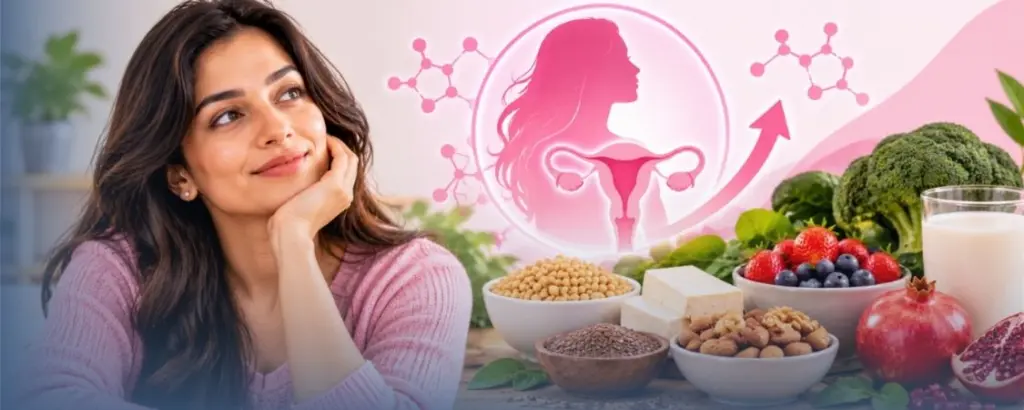
To accurately understand foods high in estrogen, it is essential to clarify an important biological distinction: plant foods do not contain true mammalian estrogen (such as 17-beta-estradiol, estrone, or estriol). Instead, they contain naturally occurring plant compounds known as phytoestrogens (from the Greek word phyto, meaning plant). Phytoestrogens are polyphenolic non-steroidal phytochemicals whose molecular structures bear a striking resemblance to human estradiol.
Because their stereochemical shape mimics endogenous estrogen, phytoestrogens can bind to human estrogen receptors throughout the body. However, their biological potency is significantly weaker—often 100 to 10,000 times less potent than endogenous estrogen produced by the human ovaries or adrenal glands.
As a result, phytoestrogens function as natural Selective Estrogen Receptor Modulators (SERMs). When endogenous estrogen levels are low (as in postmenopausal women), phytoestrogens provide mild, supportive estrogenic stimulation. Conversely, when endogenous estrogen levels are excessively high, phytoestrogens can compete for receptor binding sites, gently dampening excessive estrogenic signaling.
Phytoestrogens are broadly classified into four major chemical families:
- Isoflavones: Primarily found in soybeans and legumes, including genistein, daidzein, and glycitein.
- Lignans: Concentrated in seeds, particularly flaxseeds, whole grains, and certain vegetables, which gut bacteria convert into enterodiol and enterolactone.
- Coumestans: Found in sprouted legumes, clover, and alfalfa sprouts, with coumestrol being the primary active constituent.
- Stilbenes: Found in grapes, berries, and red wine, represented primarily by the potent antioxidant resveratrol.
How Phytoestrogens Interact with Your Body: The Science of ER-Alpha and ER-Beta
The human body possesses two distinct types of estrogen receptors: Estrogen Receptor Alpha (ER-alpha) and Estrogen Receptor Beta (ER-beta). The physiological impact of estrogen depends on which receptor subtype is activated and the specific tissue in which it resides.
ER-alpha receptors are predominantly located in reproductive tissues, such as the endometrium (uterine lining) and mammary glands, where activation promotes cellular growth and tissue proliferation. In contrast, ER-beta receptors are concentrated in bone tissue, vascular endothelium, the central nervous system, bladder, and the immune system. Activation of ER-beta typically exerts anti-proliferative, anti-inflammatory, and protective antioxidant effects.
A remarkable pharmacological feature of dietary phytoestrogens—particularly soy isoflavones like genistein and flaxseed lignans—is their preferential binding affinity for ER-beta over ER-alpha. By preferentially activating ER-beta, dietary phytoestrogens deliver the protective benefits of estrogen (such as bone preservation and arterial elasticity) while minimizing undesirable cellular proliferation in the breasts and uterus.
Complete List of Foods High in Estrogen (Phytoestrogens)
Below is a comprehensive, clinically curated list of foods with the highest concentrations of biologically active phytoestrogens, ranked by functional category and dietary significance.
1. Flaxseeds
Flaxseeds (linseeds) are widely recognized as the single richest dietary source of lignans in the human food supply, containing up to 800 times more lignans than almost any other plant food. The primary lignan precursor in flax is secoisolariciresinol diglucoside (SDG). When ingested, beneficial microflora in the healthy human colon ferment SDG into mammalian enterolignans (enterolactone and enterodiol).
Clinical studies show that consuming just 1 to 2 tablespoons (10 to 20 grams) of ground flaxseed daily significantly improves estrogen metabolism, supports regular menstrual cycling, and reduces the frequency of menopausal hot flashes. Whole flaxseeds often pass through the gastrointestinal tract undigested, so grinding them freshly is vital to release their bioactive lignans and alpha-linolenic acid (ALA) omega-3s.
2. Soybeans and Traditional Soy Foods
Soybeans are the premier dietary source of isoflavones, predominantly genistein and daidzein. The phytoestrogenic density varies across different culinary preparations:
- Edamame: Immature green soybeans harvested in the pod, offering whole-food fiber, complete protein, and potent isoflavones (approximately 18 mg of isoflavones per 100 grams).
- Tofu (Bean Curd): Made from curdled soy milk pressed into solid blocks, providing versatile culinary utility and approximately 20 to 30 mg of isoflavones per 100 grams.
- Tempeh: A traditional Indonesian fermented whole-soy cake. Fermentation partially hydrolyzes isoflavone glycosides into aglycones (unconjugated forms), which are absorbed more rapidly and efficiently in the small intestine.
- Miso and Natto: Traditional Japanese fermented soy products that combine bioactive isoflavones with beneficial probiotic bacteria and vitamin K2, supporting synergistic bone and vascular health.
- Soy Milk: Minimally processed whole-bean soy milk delivers consistent levels of isoflavones alongside high-quality dietary protein.
3. Sesame Seeds
Sesame seeds are dense repositories of lignans, notably sesamin and sesamolin. In a controlled clinical trial involving postmenopausal women, daily consumption of 50 grams of sesame seed powder over a five-week period led to a substantial increase in circulating plasma enterolactone levels, alongside marked improvements in lipid profiles (lowering total and LDL cholesterol) and enhanced antioxidant capacity.
4. Cruciferous Vegetables
Vegetables from the Brassica family—including broccoli, Brussels sprouts, cauliflower, kale, and cabbage—are rich in dietary lignans. In addition to phytoestrogens, cruciferous vegetables contain glucosinolates, which hydrolyze into indole-3-carbinol (I3C) and diindolylmethane (DIM). DIM is a well-researched biochemical modulator that guides hepatic estrogen breakdown toward the protective 2-hydroxyestrone pathway rather than the potentially genotoxic 16-alpha-hydroxyestrone pathway, ensuring healthy estrogen clearance.
5. Berries
Berries—including strawberries, cranberries, raspberries, and blackberries—are among the richest fruit sources of lignans, stilbenes, and anthocyanins. Just one cup of fresh strawberries provides a meaningful dose of phytoestrogens alongside vitamin C, ellagic acid, and bioflavonoids that protect cellular DNA from oxidative damage and support microvascular capillary integrity.
6. Dried Fruits
Dried fruits contain significantly higher concentrations of phytoestrogens per gram than their fresh counterparts due to the removal of water content during dehydration. Apricots, dates, and prunes (dried plums) are especially notable:
- Dried Apricots: Provide high amounts of lignans along with beta-carotene, lutein, and potassium.
- Prunes: Contain concentrated lignans and boron, a trace mineral essential for estrogen retention and bone matrix mineralization.
- Dates: A staple in Middle Eastern diets, offering rich polyphenol and lignan content alongside natural dietary fiber.
7. Legumes and Pulses
Beyond soy, the broader legume family represents an outstanding source of isoflavones, lignans, and coumestans:
- Chickpeas (Garbanzo Beans): Contain the isoflavone biochanin A, an active precursor to genistein, supplying roughly 990 micrograms of total phytoestrogens per 100 grams.
- Lentils: Packed with gut-nourishing prebiotic fiber, resistant starch, and mild phytoestrogens that support steady enterolignan production.
- Black Beans and Kidney Beans: Rich in anthocyanins, resistant starches, and isoflavones that support both gut health and hormonal equilibrium.
- Alfalfa and Clover Sprouts: Exceptionally high in coumestrol, one of the most biologically active phytoestrogenic molecules in the botanical kingdom.
8. Tree Nuts
Nuts are nutritional powerhouses loaded with monounsaturated fats, protein, and phytoestrogens. Pistachios boast the highest total phytoestrogen concentration among tree nuts (approximately 382 micrograms per 100 grams), followed closely by walnuts, almonds, and hazelnuts. Walnuts also provide plant-based omega-3 fatty acids (ALA) that downregulate inflammatory prostaglandins, easing cyclic breast tenderness and hormonal cramping.
9. Whole Grains
Intact whole grains—such as steel-cut oats, rye, barley, quinoa, and wheat germ—retain their outer bran and germ layers, where lignans are concentrated. Dietary rye bread, popular in Scandinavian countries, produces exceptionally high enterolactone concentrations in human clinical trials, contributing to observed epidemiological reductions in cardiovascular disease and hormone-related disorders.
10. Garlic, Onions, and Culinary Herbs
Allium vegetables (garlic, scallions, and onions) contain modest amounts of phytoestrogens combined with potent organosulfur compounds like allicin. Studies suggest that regular culinary garlic intake exerts mild estrogen-sparing effects in postmenopausal animal models, helping to preserve trabecular bone structure. Furthermore, culinary herbs such as fennel seeds, licorice root, and anise contain anethole and glycyrrhizin, compounds that exhibit distinct estrogen-modulating properties.
How Estrogen-Rich Foods Affect Your Body
Integrating these nutrient-dense foods into your regular nutritional pattern influences numerous organ systems, delivering measurable physiological benefits:
- Cardiovascular Protection: Estrogen helps maintain arterial flexibility and optimal lipid levels. Phytoestrogens promote endothelial nitric oxide synthase (eNOS) activation, reducing arterial stiffness, lowering circulating LDL cholesterol, and inhibiting lipid peroxidation.
- Skeletal Integrity and Bone Density: By selectively activating ER-beta in osteoblasts, dietary isoflavones and lignans stimulate bone matrix synthesis while curbing excessive osteoclastic bone resorption, offering natural defense against postmenopausal osteopenia.
- Easing Vasomotor Menopausal Symptoms: In cultures where traditional soy foods and legumes are consumed daily (such as in Japan), women report significantly lower rates of hot flashes and night sweats. Clinical trials demonstrate that consistent phytoestrogen consumption can reduce hot flash frequency by 20% to 50%.
- Dermal Hydration and Collagen Preservation: Estrogen stimulates fibroblasts to synthesize collagen and hyaluronic acid. Phytoestrogens help attenuate postmenopausal dermal thinning, improving skin elasticity, moisture barrier function, and wrinkle depth.
- Clarifying the Cancer Myth: A persistent misconception is that soy or phytoestrogens cause breast cancer. Large-scale human epidemiological studies—including the Shanghai Women’s Health Study of over 73,000 women—consistently demonstrate that women who consume traditional, whole-food soy products from an early age exhibit a significantly lower risk of breast cancer recurrence and overall mortality. Whole-food phytoestrogens act as SERMs, blocking potent endogenous estrogens from over-stimulating breast tissue.
Who Should Eat Foods High in Estrogen?
Diets rich in phytoestrogenic whole foods are advantageous for broad demographics, but they provide particular therapeutic value for:
- Perimenopausal and Menopausal Women: Those seeking gentle, non-pharmacological relief from hot flashes, sleep disruptions, vaginal dryness, and mood swings.
- Individuals Concerned About Osteoporosis: Anyone with family history or bone scans showing low bone mineral density seeking to protect skeletal microarchitecture.
- Cardiovascular Health Seekers: Men and women looking to improve lipid profiles, lower systemic vascular inflammation, and support healthy blood pressure.
- Individuals Seeking Balanced Hormone Metabolism: People looking to support liver detoxification and healthy estrogen metabolite pathways through cruciferous vegetables and ground flaxseeds.
Who Should Be Cautious or Moderate Their Intake?
While whole-food sources of phytoestrogens are generally safe, certain clinical situations warrant personalized caution:
- Patients with Hormone-Receptor-Positive Cancers: While dietary whole soy and flax are generally deemed safe by oncology societies, high-dose, isolated phytoestrogen supplements (such as concentrated genistein pills) should be avoided unless explicitly approved by an oncologist.
- Severe Iodine Deficiency and Thyroid Disease: Soy isoflavones can inhibit the thyroid peroxidase (TPO) enzyme in individuals who are clinically iodine-deficient. As long as dietary iodine intake is sufficient, moderate soy consumption does not adversely impact thyroid function in healthy adults.
- Severe Gut Dysbiosis: Phytoestrogens require active, diverse gut bacteria to be metabolized into their most potent therapeutic metabolites (such as equol and enterolactone). Individuals with severe gut dysbiosis or after heavy antibiotic therapy may not derive full physiological benefits until their microbiome is restored.
Practical Tips for Incorporating Phytoestrogens Safely
To maximize the hormonal benefits of phytoestrogens while minimizing potential digestive or nutritional drawbacks, follow these evidence-based culinary practices:
- Emphasize Whole, Minimally Processed Foods: Choose edamame, organic non-GMO tofu, tempeh, flaxseed, and berries rather than ultra-processed junk foods containing isolated soy protein isolates or textured vegetable proteins.
- Grind Your Seeds: Always grind flaxseeds and sesame seeds in a spice grinder before consuming, storing them in an airtight container in the refrigerator to prevent lipid oxidation.
- Adopt a Rotational Strategy: Rather than consuming massive quantities of a single food, rotate through edamame, lentils, cruciferous vegetables, berries, and nuts across the week to ensure broad micronutrient intake.
- Nourish Your Gut Microbiome: Only about 30% to 50% of Western individuals harbor the specific gut bacteria capable of converting soy daidzein into equol—the most potent cardioprotective and bone-protective metabolite. Support your gut flora with diverse dietary fiber, fermented foods, and adequate hydration.
When to See a Doctor
Dietary adjustments are a wonderful foundational step, but significant hormonal irregularities require accurate clinical diagnosis and specialized laboratory evaluation.
You should consult a healthcare provider or endocrinologist if you notice:
- Unexplained, severe changes in menstrual cycle frequency, sudden amenorrhea (cessation of periods), or abnormally heavy bleeding (menorrhagia).
- Rapid, unexplained weight gain or loss accompanied by chronic hair thinning, cold intolerance, or severe mood disruptions.
- Severe pelvic pain, palpable breast masses, or unexpected nipple discharge.
- Debilitating menopausal symptoms that compromise your quality of life, sleep, and emotional health.
This article is for informational purposes only and does not constitute medical advice. Always consult a healthcare professional before starting any treatment.
Frequently Asked Questions
Q: Can men safely eat foods high in estrogen without developing feminine traits?
A: Yes. Multiple comprehensive meta-analyses have confirmed that dietary phytoestrogens (including normal soy consumption) do not lower testosterone, raise circulating estradiol, or cause gynecomastia (“man boobs”) in men. In fact, isoflavones and lignans provide men with meaningful prostate and cardiovascular benefits.
Q: What is the single food highest in phytoestrogens?
A: Flaxseeds are the single most concentrated food source of phytoestrogens, containing roughly 380,000 micrograms of lignans per 100 grams, far surpassing any other commonly consumed dietary plant food.
Q: Do estrogen-rich foods cause weight gain or fluid retention?
A: No. Whole foods rich in phytoestrogens—such as legumes, seeds, and vegetables—are high in fiber and protein and low in glycemic index, which actually supports metabolic health, healthy insulin sensitivity, and weight management rather than causing excess fat accumulation.
Q: How much flaxseed should I consume daily for hormonal support?
A: Most clinical trials demonstrating improved estrogen metabolism, regular ovulation, and reduced hot flashes utilize 1 to 2 tablespoons (approximately 10 to 20 grams) of freshly ground flaxseed daily.
Q: Are phytoestrogen supplements as effective as eating whole foods?
A: Whole foods are superior. Whole foods deliver phytoestrogens alongside a synergistic matrix of dietary fiber, omega-3 fatty acids, vitamins, and minerals that optimize digestion, gut microbiome metabolism, and systemic absorption.
Final Thoughts
Incorporating foods high in estrogen into your regular diet represents a safe, evidence-based, and proactive nutritional approach to supporting hormonal balance, bone density, cardiovascular wellness, and healthy aging. By focusing on whole, colorful plant foods—such as ground flaxseed, fermented soy, cruciferous vegetables, berries, and nuts—you nourish your body with natural SERMs that adapt to your body’s specific hormonal needs.
For individuals navigating substantial hormonal transitions or complex medical needs, dietary changes are most effective when paired with professional clinical guidance. At IndogenMed, we believe in combining trusted medical education with accessible, reliable generic medications and healthcare solutions to help you live your healthiest, most vibrant life.
References
-
Breast Cancer & Soy: Shu, X. O. (2009). Soy food intake and breast cancer survival. JAMA, 302(22), 2437–2443. https://doi.org/10.1001/jama.2009.1783
-
Flaxseed & Bone Health: Kezimana, P., et al. (2018). Secoisolariciresinol diglucoside of flaxseed and its metabolites. Front. Genet., 9, 641. https://doi.org/10.3389/fgene.2018.00641
-
Sesame Seeds & Hormones: Wu, W.-H., et al. (2006). Sesame ingestion affects sex hormones, antioxidant status, and blood lipids in postmenopausal women. J. Nutr., 136(5), 1270–1275. https://doi.org/10.1093/jn/136.5.1270
-
Men’s Hormones & Soy: Reed, K. E., et al. (2021). Neither soy nor isoflavone intake affects male reproductive hormones: A meta-analysis. Reprod. Toxicol., 100, 60–67. https://doi.org/10.1016/j.reprotox.2020.12.019