Comparing the Options: What Is the Latest Treatment for Erectile Dysfunction Today?
For a long time, people have mostly talked about erectile dysfunction, or ED, in terms of medicines like Viagra and Cialis. These medicines are still important, but now there are many more ways to treat ED. Some people can’t take these medicines because they don’t mix well with other heart medicines they’re taking. Others don’t […]
Medically reviewed by Renu Meena, B.Pharm (RSPC Reg. No. 55661) · Registered Pharmacist
Last reviewed 20/09/2026

On this page
- Newly Authorized Non-Systemic Therapies: Topical Gels
- Refined Oral Formulations: Soluble Films and Sublingual Delivery
- Investigational & Regenerative Therapies: The Current Scientific Consensus
- Generic Medication Options for Erectile Dysfunction
- The Established Clinical Hierarchy: First-, Second-, and Third-Line Standards
- Comprehensive Treatment Comparison
- Critical Safety and Health Warnings
- Frequently Asked Questions
- References and Authoritative Medical Sources
For a long time, people have mostly talked about erectile dysfunction, or ED, in terms of medicines like Viagra and Cialis.
These medicines are still important, but now there are many more ways to treat ED. Some people can’t take these medicines because they don’t mix well with other heart medicines they’re taking.
Others don’t like the side effects they feel all over their body. And some just want something that works faster and doesn’t come in a pill.
This guide gives a fair and balanced view of the newest developments in treating erectile dysfunction. It looks at recently approved treatments, new forms of medicines, and experimental therapies that are still being tested.
Medical & Regulatory Disclaimer
This article is strictly for educational and informational purposes. It does not provide medical advice, diagnosis, or treatment recommendations. The therapies discussed here include prescription pharmaceuticals, over-the-counter devices, and investigational procedures with distinct safety profiles and contraindications. Never initiate, stop, or modify any medical treatment without direct evaluation and supervision from a board-certified physician, urologist, or cardiologist.
Newly Authorized Non-Systemic Therapies: Topical Gels
One of the most notable recent advancements in non-prescription ED management is the regulatory clearance of topical nerve-stimulating gels.
Topical Evaporative Gels (MED3000 / Eroxon)
Cleared by the US FDA as a de novo medical device, MED3000 (marketed commercially as Eroxon) is an over-the-counter topical gel applied directly to the glans (head) of the penis.
- Mechanism of Action: Unlike oral medications that enter the bloodstream, MED3000 has a different mechanism of action. Being a topical cream, it acts locally. It contains a unique mixture of volatile solvents (water, ethanol, propylene glycol). After being applied, the gel initiates a quick evaporative cold and then warms, causing a warming/cooling effect on the glans. This sensation causes local release of neurotransmitters and relaxation of smooth muscles, resulting in an erection.
- Onset Window: According to clinical trials, the feeling of coolness and warmth appears right after application, and many patients have reported an erection within 10 minutes after application when combined with sexual arousal.
- When applied locally on the skin, the drug does not enter the systemic circulation and, therefore, does not reduce blood pressure. As a result, the absolute contraindication to concomitant prescription of nitrates (e.g., nitroglycerin) is not present for topically administered PDE5 inhibitors.
- Clinical Limitations: The effectiveness of topical gels in patients with severe forms of neurogenic ED, extensive arterial disease, or neurologic damage after surgery is not demonstrated.
Refined Oral Formulations: Soluble Films and Sublingual Delivery
Oral phosphodiesterase type 5 (PDE5) inhibitors remain the first-line pharmacotherapy for ED, but newer drug delivery technologies have been developed to address traditional limitations of solid tablets.
Oral Soluble Films (Fast-Dissolving Sildenafil Strips)
The FDA has approved alternative oral formulations, including sildenafil oral soluble films.
- Mechanism of Delivery: These flat, thin polymeric strips are placed on the tongue, where they dissolve quickly in the saliva without requiring any water.
- Pharmacokinetic Behavior: Part of the dose is absorbed through the oral mucosa, and the rest is taken into the stomach. It bypasses the possible delaying effects of a heavy meal or high-fat meal on the gastric emptying rate, which can interfere with the absorption of an ordinary dosage form.
- Clinical Purpose: It can be used for patients who have difficulty swallowing or who wish to have a convenient, less conspicuous alternative to conventional oral dosage forms that do not require large volumes of water for administration.
Investigational & Regenerative Therapies: The Current Scientific Consensus
Significant interest has emerged around therapies that aim to restore vascular tissue rather than temporarily manage symptoms.
However, major professional organizations—including the American Urological Association (AUA) and the European Association of Urology (EAU)—categorize these modalities carefully.
A. Low-Intensity Extracorporeal Shockwave Therapy (Li-ESWT)
- The Concept: The Li-ESWT procedure involves delivering low-energy acoustic sound waves to the penile shaft and crura. The intended mechanism is to cause microtrauma to the tissue at a cellular level, thus inducing the formation of vascular endothelial growth factors, which promote neoangiogenesis or the creation of new blood vessels.
- Current Evidence Status: The clinical trial results for this procedure are inconsistent. The treatment is reported to improve hardness in men with mild vasculogenic erectile dysfunction, with a response rate dependent on the equipment used and the flux density of the test.
- Regulatory Classification: The AUA and EAU guidelines consider shockwave therapy as an investigational treatment for erectile dysfunction. The procedure is not considered a standard of care. The current recommendations are that it should be performed within the framework of clinical investigation.
B. Platelet-Rich Plasma (PRP / “P-Shot”)
- The Concept: PRP therapy involves drawing a patient’s blood, centrifuging it to concentrate platelets and autologous growth factors, and injecting the solution into the corpora cavernosa.
- Current Evidence Status: High-quality, randomized, sham-controlled clinical trials of platelet-rich plasma (PRP) for erectile dysfunction are lacking. Medical authorities say that there is no sufficient proof of its long-term safety, ideal concentration, or clinical efficacy.
C. Stem Cell Therapy
- The Concept: Investigating the use of mesenchymal stem cells derived from adipose tissue or umbilical cord blood to repair smooth muscle and restore damaged endothelial tissue.
- Current Evidence Status: The utilization of stem cells for erectile dysfunction remains an experimental therapy that should only be pursued within the confines of approved clinical trials due to the uncertainty as to the long-term safety and efficacy of these therapeutic measures. The European Association of Urology warns against men seeking out private stem cell treatments.
Generic Medication Options for Erectile Dysfunction
While such brands as Viagra and Cialis set the standard for men’s medication in the contemporary world, the expiration of their patent protection allows generic manufacturers to create analogs with lower prices.
The active ingredients in generic drugs are the same as those in the original medications, which ensures their effectiveness.
Moreover, generic drugs are subject to rigorous quality control, and their low cost allows men to afford regular treatment.
Generic erectile dysfunction drugs are traditionally divided into two classes based on the active ingredients. One class includes medications with short-term effects, while the other class comprises drugs with prolonged action.
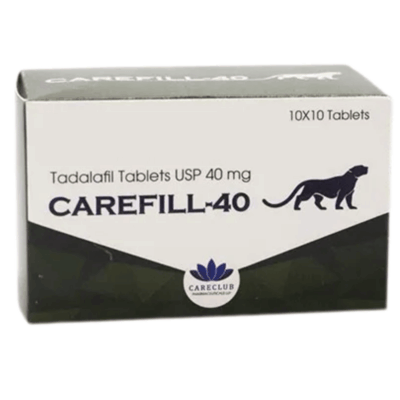
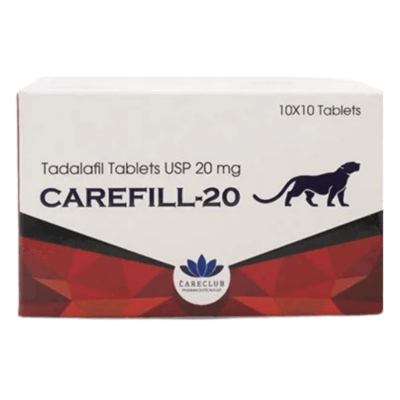
The first category mostly contains sildenafil-based preparations, while tadalafil is the main component of the second category.
Comparison of Popular Generic ED Formulations
| Brand Name | Primary Active Molecule | Available Strengths | Key Formats Available | Typical Duration Window |
| Cenforce | Sildenafil Citrate | 25 mg, 50 mg, 100 mg, 150 mg, 200 mg | Film-coated tablets | 4 to 6 Hours |
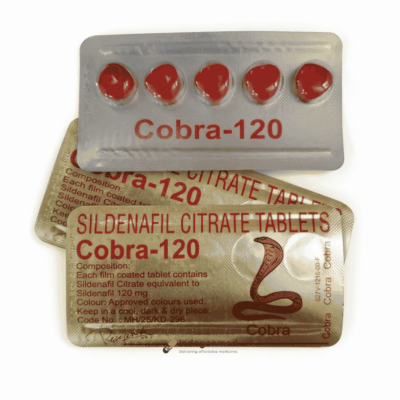
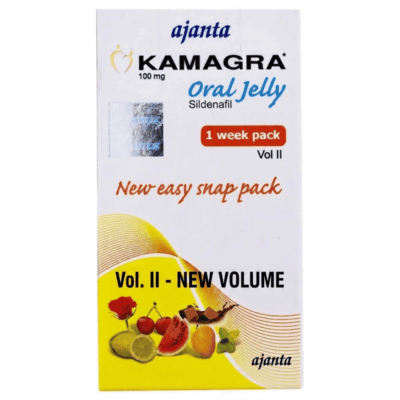
| Kamagra | Sildenafil Citrate | 50 mg, 100 mg | Tablets, Oral Jelly sachets, Chewables | 4 to 6 Hours |
| Aurogra | Sildenafil Citrate | 100 mg | Film-coated tablets | 4 to 6 Hours |
| Fildena | Sildenafil Citrate | 25 mg, 50 mg, 100 mg, 120 mg, 150 mg | Tablets, Soft gel capsules | 4 to 6 Hours |
| Vidalista | Tadalafil | 2.5 mg, 5 mg, 10 mg, 20 mg, 40 mg, 60 mg | Film-coated tablets | Up to 36 Hours (or 24/7 with daily dosing) |
| Tadacip | Tadalafil | 20 mg | Film-coated tablets | Up to 36 Hours |
The Established Clinical Hierarchy: First-, Second-, and Third-Line Standards
To understand where newer options fit, it is helpful to review the standard clinical pathway established by evidence-based urology guidelines.
First-Line Therapy: Oral PDE5 Inhibitors
Selective inhibitors of the PDE5 enzyme—including Sildenafil, Tadalafil, Vardenafil, and Avanafil—remain the gold standard for initial medical management due to their extensive clinical documentation and reliable response rates (roughly 65% to 80%).
- Sildenafil: Short-acting (4 to 6 hours), highly effective, but absorption is delayed by high-fat meals.
- Tadalafil: Extended-acting (up to 36 hours), available in both on-demand and daily low-dose regimens, and unaffected by food intake.
- Avanafil: Rapid-acting, with an onset time of 15 to 30 minutes.
Second-Line Therapy: Local Injections and Mechanical Devices
When oral therapies are ineffective, poorly tolerated, or contraindicated, second-line options provide direct local action:
- Intracavernosal Injections (Alprostadil, BiMix, TriMix): Using a tiny needle, medications are injected into the side of the penis. These drugs act directly on the smooth muscles of the penile blood vessels and cause erection independent of nerve stimulation. An erection occurs within 5-15 minutes of injection.
- Intraurethral Suppositories: Small medicated suppositories are inserted into the urethra to relax the smooth muscles of the penile blood vessels.
- Vacuum Erection Devices (VED): A non-invasive vacuum is created around the penile region with the help of a cylinder. This causes engorgement of the erectile tissues with blood, which results in erection. A tension ring is placed at the base of the penis to maintain the erection.
Third-Line Therapy: Penile Prostheses
For men with severe, irreversible organic ED due to causes such as end-stage vascular disease, severe diabetic neuropathy, or nerve trauma after radical prostatectomy, the surgical implantation of a penile prosthesis is considered.
- Inflatable Penile Implants (3-Piece): Fluid-filled cylinders placed inside the corpora cavernosa, connected to a pump in the scrotum and a fluid reservoir in the lower abdomen. Squeezing the pump transfers fluid to create rigidity on demand.
- Malleable (Semi-Rigid) Rods: Semi-rigid rods surgically placed to allow the penis to be positioned manually for intercourse or concealment.
Comprehensive Treatment Comparison
| Treatment Category | Specific Example | Method of Action | Typical Onset | Regulatory / Clinical Status | Primary Clinical Role |
| Topical Gels | MED3000 (Eroxon) | Evaporative cooling/warming stimulating sensory nerves | ~10 Minutes | FDA-Cleared (OTC Medical Device) | Mild-to-moderate ED; patients unable to take oral PDE5 inhibitors. |
| Oral Soluble Films | Fast-dissolve Sildenafil | PDE5 inhibition via mucosal and gastric absorption | ~30 Minutes | FDA-Approved (Prescription) | Patients with dysphagia or those seeking water-free administration. |
| Standard Oral Tablets | Sildenafil, Tadalafil | Selective systemic PDE5 enzyme inhibition | 30–60 Minutes | FDA-Approved (First-Line Standard) | Primary, well-documented medical baseline for most men. |
| Acoustic Shockwave | Li-ESWT | Acoustic sound waves targeting neoangiogenesis | 4–8 Weeks (Series) | Investigational / Off-Label | Experimental option for mild vascular insufficiency. |
| Penile Self-Injections | TriMix, Alprostadil | Direct local vasodilation via prostaglandin/vasodilators | 5–15 Minutes | Standard Second-Line (Prescription) | Men unresponsive to oral medications or with nerve damage. |
| Penile Implants | Inflatable Prosthesis | Internal fluid cylinders providing mechanical rigidity | Immediate on demand | Standard Third-Line (Surgical) | Severe, treatment-resistant, or post-surgical ED. |
Critical Safety and Health Warnings
Regardless of which treatment modality is considered, evaluating erectile health requires careful medical oversight.
Cardiovascular Screening Is Essential
Erectile dysfunction is often an early marker of vascular problems elsewhere in the body, particularly the heart. Since penile arteries are much smaller than coronary arteries, ED will often be an early warning of vascular difficulties.
Any new or worsening ED must be evaluated to look into potential cardiovascular issues (blood pressure, blood fats, blood sugar, etc.)
The Absolute Nitrate Contraindication
All oral PDE5 inhibitors (sildenafil, tadalafil, vardenafil, avanafil) are contraindicated in patients taking prescription nitrates (nitroglycerin, isosorbide mononitrate, or isosorbide dinitrate) or who use recreational nitrites (“poppers”).
This combination can cause severe hypotension that can lead to loss of consciousness and/or cardiac arrest.
Risks of Unregulated Over-the-Counter Products
Health officials warn that consumers should not buy “herbal enhancement” pills at gas stations or other non-pharmacy retailers because independent lab tests show that the products may include unlisted medications, have uneven amounts of ingredients, or contain poisons that can cause heart damage.
Frequently Asked Questions
Is there a permanent cure for erectile dysfunction today?
Currently, there is no single medical intervention recognized by major urological associations as a universal, permanent cure for ED. Treatments primarily manage symptoms by facilitating blood flow or providing mechanical support. Lifestyle changes (such as cardiovascular exercise, dietary improvements, and smoking cessation) can significantly improve underlying vascular health, while surgical implants offer a permanent functional solution for refractory cases.
Can men with heart disease use the newest topical gels?
Because topical evaporative gels like MED3000 work locally on the sensory nerves of the glans rather than circulating through the bloodstream, they do not produce systemic cardiovascular effects. However, sexual activity itself places physical demands on the heart, so men with pre-existing cardiac conditions must obtain clinical clearance to confirm they are healthy enough for sexual exertion.
Why are shockwave therapy and PRP still called “investigational”?
To move from “investigational” to an established guideline-recommended standard of care, a therapy must demonstrate consistent, reproducible efficacy and safety across large-scale, double-blind, randomized controlled trials. While early studies show promise for certain patient subsets, the broader medical community requires standardized protocols and validated long-term outcomes before recommending them outside of clinical trials.
References and Authoritative Medical Sources
- American Urological Association (AUA):Erectile Dysfunction: AUA Guideline
- European Association of Urology (EAU):Guidelines on Sexual and Reproductive Health
- U.S. Food and Drug Administration (FDA):De Novo Classification Summary for MED3000 Topical Gel (DEN220074)
- Mayo Clinic:Erectile Dysfunction: Diagnosis and Treatment Options
- Cleveland Clinic:Erectile Dysfunction Management & Treatment Overview