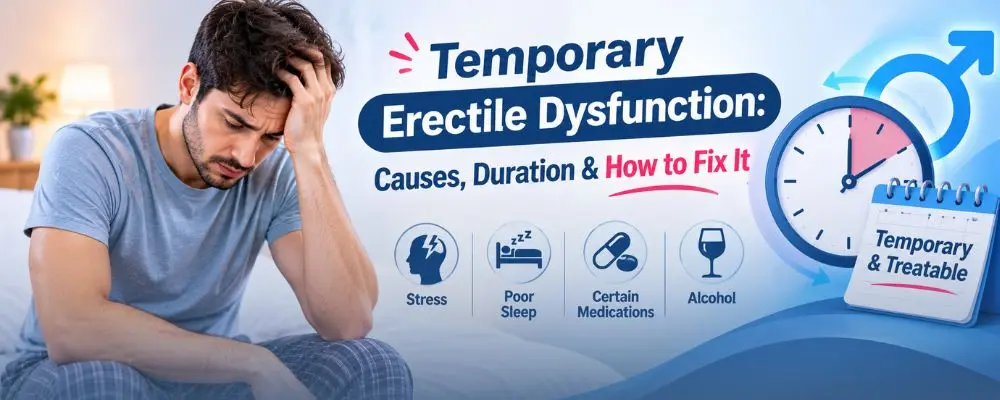
Temporary Erectile Dysfunction: Causes, Duration & How to Fix It
Temporary erectile dysfunction is one of the most common yet distressing experiences a man can encounter in the bedroom. A sudden, unexpected inability to achieve or maintain an erection can trigger immediate panic, self-doubt, and profound relationship anxiety. However, what men often fail to realize in that moment of frustration is that an isolated episode […]
Medically reviewed by Renu Meena, B.Pharm (RSPC Reg. No. 55661) · Registered Pharmacist
Last reviewed 13/11/2026
On this page
- What Is Temporary Erectile Dysfunction?
- How Long Does Temporary Erectile Dysfunction Last?
- Common Causes and Triggers of Short-Term ED
- Practical Advice and Proven Ways to Fix Temporary ED
- Temporary ED vs. Chronic Erectile Dysfunction: Key Differences
- When to See a Doctor
- Frequently Asked Questions
- Final Thoughts
Temporary erectile dysfunction is one of the most common yet distressing experiences a man can encounter in the bedroom. A sudden, unexpected inability to achieve or maintain an erection can trigger immediate panic, self-doubt, and profound relationship anxiety.
However, what men often fail to realize in that moment of frustration is that an isolated episode of erectile failure is almost never permanent. In the vast majority of cases, short-term erectile issues are acute, situational, and fully reversible once the underlying trigger is addressed.
In this comprehensive medical guide, we explore what causes temporary erectile dysfunction, examine how long it typically lasts, outline evidence-based strategies to fix it rapidly, and explain when it is time to consult a healthcare provider.
What Is Temporary Erectile Dysfunction?
Erectile dysfunction (ED) is clinically defined as the consistent inability to attain or sustain a penile erection sufficient for satisfactory sexual performance.
However, there is a fundamental medical distinction between chronic, progressive erectile dysfunction and temporary erectile dysfunction.
Temporary ED is an acute, episodic disruption in normal erectile function. It often appears out of nowhere in men who have otherwise enjoyed robust sexual health.
An individual might achieve an erection only to lose it during intercourse, struggle to gain full firmness, or fail to achieve an erection on a single evening despite feeling sexual desire. Importantly, men with temporary erectile issues often continue to experience spontaneous morning erections (nocturnal penile tumescence) or achieve normal erections during masturbation.
Chronic ED, by contrast, develops insidiously over months or years, driven by physical pathology such as arterial atherosclerosis, endothelial damage, diabetic neuropathy, or structural tissue changes.
In chronic cases, erections are compromised across all situations, including morning awakenings. Recognizing that an episode is temporary is the first crucial step toward avoiding the psychological spiral that prolongs the problem.
How Long Does Temporary Erectile Dysfunction Last?
The duration of temporary erectile dysfunction varies considerably depending on the specific physical, chemical, or psychological trigger responsible for the episode. For most men, the duration falls into three distinct timeframes:
1. Hours to 24 Hours (Acute Episodic ED): When erectile difficulty is triggered by acute factors—such as drinking too much alcohol (“whiskey dick”), intense physical exhaustion, severe dehydration, or an unusually stressful workday—the dysfunction typically resolves within 12 to 24 hours once the body rests, rehydrates, and metabolizes the offending substance.
2. Days to a Few Weeks (Situational and Stress-Induced ED): When temporary ED is driven by acute life stressors—such as a major professional deadline, relationship conflict, financial hardship, or an initial bout of performance anxiety—the issue may persist for several days or a few weeks. It usually dissipates once the acute stressor subsides or communication with a partner improves.
3. Weeks to Months (Medication-Induced or Psychological Lock-In): If a man begins a new prescription medication (such as an SSRI antidepressant or beta-blocker) or falls into a severe “performance anxiety loop,” temporary ED can linger for several weeks or months. In the performance anxiety loop, the fear of failing again triggers an adrenaline surge every time intimacy is attempted, artificially keeping erectile function suppressed until the mental cycle is broken.
Common Causes and Triggers of Short-Term ED
Achieving an erection is an intricate physiological dance involving the brain, hormones, nerves, cardiovascular system, and smooth muscle tissue. If even one component of this cascade is temporarily disrupted, the entire process stalls.
Research identifies several prevalent triggers of short-term erectile failure:
- Performance Anxiety and Adrenaline Surges: An erection is mediated exclusively by the parasympathetic (“rest and digest”) nervous system, which triggers nitric oxide release and relaxes penile arteries. The moment a man feels anxious, nervous, or pressured, his sympathetic (“fight or flight”) nervous system takes over, flooding the bloodstream with epinephrine and norepinephrine. These stress hormones immediately constrict the penile arteries and contract cavernous smooth muscle, rapidly deflating an erection or preventing it from forming.
- Alcohol and Recreational Substance Use: Alcohol is a central nervous system depressant. While moderate amounts may reduce social inhibitions, excessive alcohol blunts the communication between the brain and genital nerves, dehydrates the vascular system, and impairs nitric oxide signaling. Recreational drugs like cannabis, cocaine, and MDMA similarly disrupt neurotransmitter balance and vascular tone.
- Severe Fatigue and Chronic Sleep Deprivation: The body requires deep, restorative rapid eye movement (REM) and slow-wave sleep to produce natural testosterone pulses, synthesize endothelial nitric oxide, and recharge neural pathways. Exhaustion significantly reduces sexual stamina and impairs erectile hemodynamic response.
- Acute Psychological Stress: Elevated cortisol levels resulting from sudden workplace pressure, bereavement, marital discord, or financial emergencies suppress hypothalamic-pituitary-gonadal (HPG) signaling, temporarily muting libido and blunting erectile reflexes.
- Temporary Medication Side Effects: Starting or altering dosages of certain medications can cause transient erectile dysfunction. Common culprits include antihistamines, over-the-counter decongestants (pseudoephedrine), selective serotonin reuptake inhibitors (SSRIs), 5-alpha reductase inhibitors (finasteride), and antihypertensive drugs (particularly beta-blockers and thiazide diuretics).
- Pornography-Induced Desensitization (PIED): Excessive consumption of high-stimulation internet pornography can condition the brain’s dopamine reward pathway to require extreme novelty, making natural, real-world sexual encounters feel insufficiently stimulating, resulting in situational erectile failure.
Practical Advice and Proven Ways to Fix Temporary ED
Because temporary erectile dysfunction is not rooted in permanent vascular or neurological decay, it responds exceptionally well to targeted lifestyle adjustments, psychological resets, and short-term medical interventions. Here is how to fix temporary ED effectively:
1. Break the Psychological Feedback Loop: The most important remedy for situational ED is removing the pressure to perform. Practice “sensate focus” exercises—a clinically validated sex therapy technique where partners engage in mutual touching, massage, and sensual exploration with intercourse explicitly taken off the table. When the expectation of penetration is removed, adrenaline levels drop, allowing the parasympathetic nervous system to re-engage naturally.
2. Reclaim Sleep and Eliminate Evening Alcohol: Prioritize 7 to 9 hours of uninterrupted sleep for several consecutive nights to restore hormonal balance and vascular repair. If planning a romantic evening, limit alcohol intake to a single drink or abstain entirely, ensuring optimal nervous system responsiveness.
3. Incorporate Cardiovascular Exercise: Aerobic exercise—such as brisk walking, jogging, cycling, or swimming for 30 minutes daily—stimulates vascular endothelial cells to produce endothelial nitric oxide synthase (eNOS). This rapidly improves arterial flexibility and blood flow throughout the pelvic floor.
4. Optimize Diet for Nitric Oxide Production: Increase intake of foods rich in dietary nitrates and L-citrulline, such as beets, leafy greens (arugula, spinach), pomegranate, and watermelon. The body converts these compounds into nitric oxide, promoting smooth muscle relaxation in penile arteries.
5. Open Communication with Your Partner: Silence in the bedroom breed insecurity and mutual anxiety. Talking openly about stress, fatigue, or performance pressure demystifies the problem, relieves tension, and fosters emotional intimacy, which is often all that is needed to resolve the issue.
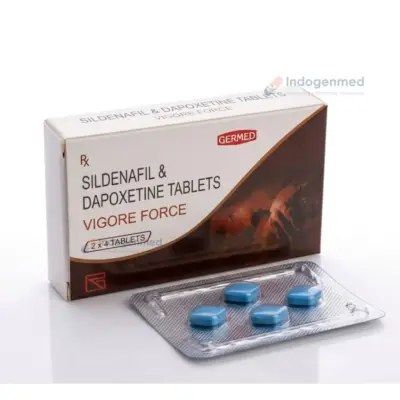
6. Utilize Short-Term PDE5 Inhibitors: For men caught in an intense performance anxiety loop, physicians frequently prescribe short-term, low-dose phosphodiesterase type 5 (PDE5) inhibitors, such as sildenafil (Viagra) or tadalafil (Cialis). These medications inhibit the enzyme that degrades cyclic guanosine monophosphate (cGMP), thereby amplifying blood flow to the erectile chambers during sexual arousal. In temporary ED, PDE5 inhibitors often serve as an effective “confidence bridge,” proving to the patient that his body functions normally and shattering the psychological block within one or two uses.
Temporary ED vs. Chronic Erectile Dysfunction: Key Differences
To help distinguish between a transient issue and a chronic condition requiring deeper medical workup, consider how the two differ across core clinical markers:
Onset of Symptoms: Temporary ED appears abruptly, often following an identifiable event (stress, heavy drinking, a new partner, or a bad night’s sleep). Chronic ED develops gradually over many months or years, progressing from occasional softness to consistent failure.
Morning Erections: Men with temporary ED almost always continue to have firm, spontaneous erections upon waking or during the middle of the night. Men with chronic vascular or neurological ED experience a marked reduction or complete absence of nocturnal and morning erections.
Situational Consistency: Temporary ED is heavily situational. A man may experience complete erectile failure with his partner but achieve a 100% rigid erection during solo masturbation. Chronic ED is pervasive, impairing erections across all settings and methods of stimulation.
Physical Pathology: Temporary ED is primarily driven by sympathetic nervous system hyperactivation, fatigue, or reversible chemical blunting. Chronic ED is driven by organic disease, such as coronary artery disease, peripheral vascular disease, diabetes mellitus, or low testosterone.
When to See a Doctor
While an isolated episode of erectile dysfunction is no cause for panic, certain warning signs warrant a formal medical evaluation by a urologist, endocrinologist, or primary care doctor.
You should seek medical guidance if:
- Erectile difficulties persist consistently for longer than 2 to 3 months without improvement.
- You notice a complete cessation of morning or nighttime spontaneous erections.
- Erectile issues are accompanied by chest pain, shortness of breath upon exertion, or other signs of cardiovascular disease.
- You experience numbness, tingling, or loss of sensation in the groin, perineum, or lower extremities.
- You notice structural penile changes, such as painful curvature, hard plaques, or indentations (suggestive of Peyronie’s disease).
- You suffer from severe anxiety, depression, or distress that interferes with your daily life and relationships.
A physician will perform comprehensive laboratory testing, including a fasting lipid panel, HbA1c (blood glucose), morning total and free testosterone, thyroid hormones, and prolactin, ensuring that no underlying metabolic or cardiovascular conditions are missed.
This article is for informational purposes only and does not constitute medical advice. Always consult a healthcare professional before starting any treatment.
Frequently Asked Questions
Q: Can temporary erectile dysfunction go away on its own?
A: Yes. In the vast majority of cases, temporary ED resolves spontaneously once the underlying acute trigger—such as alcohol consumption, extreme fatigue, relationship stress, or situational performance anxiety—is eliminated or properly managed.
Q: Does having temporary ED mean I have low testosterone?
A: Not necessarily. Most episodes of temporary ED in young and middle-aged men are driven by sympathetic nervous system overactivation (adrenaline from performance anxiety) or lifestyle factors, rather than hormonal deficiencies. However, if symptoms persist alongside low libido and chronic fatigue, checking your testosterone levels is recommended.
Q: Can taking Viagra or Cialis cure temporary ED?
A: While PDE5 inhibitors like sildenafil (Viagra) and tadalafil (Cialis) do not permanently change underlying psychology, they provide reliable hemodynamic support by relaxing penile blood vessels during arousal. For men trapped in a cycle of performance anxiety, taking a low dose can restore confidence, break the mental block, and allow natural function to resume permanently without long-term medication.
Q: How do I know if my ED is mental or physical?
A: The simplest indicator is the presence of nocturnal or morning erections. If you still wake up with firm erections or achieve normal rigidity during private masturbation, your cardiovascular and nerve pathways are physically intact, indicating that the erectile issue during partnered intimacy is psychological or situational.
Q: What should I say to my partner if I experience temporary ED?
A: Be honest, direct, and reassuring. Calmly explain that you find them attractive, but you are experiencing fatigue, stress, or nervous performance anxiety that is physically interfering with blood flow. Suggest continuing with intimate kissing, cuddling, or massage without the pressure of intercourse, which immediately diffuses tension.
Final Thoughts
Experiencing temporary erectile dysfunction can be jarring, but it is an ordinary physiological response to stress, exhaustion, chemical depressants, or performance anxiety—not an indictment of your masculinity or a permanent health sentence. The human body is remarkably resilient, and by identifying the acute trigger, practicing relaxation techniques, prioritizing sleep, and having open conversations, normal sexual function quickly returns.
If you need extra support to overcome situational hurdles, modern medicine offers safe, discreet, and highly effective options. Explore IndogenMed’s secure, affordable generic men’s health medications—including sildenafil, tadalafil, and comprehensive health guides—to restore confidence and support your sexual wellness safely.