Description
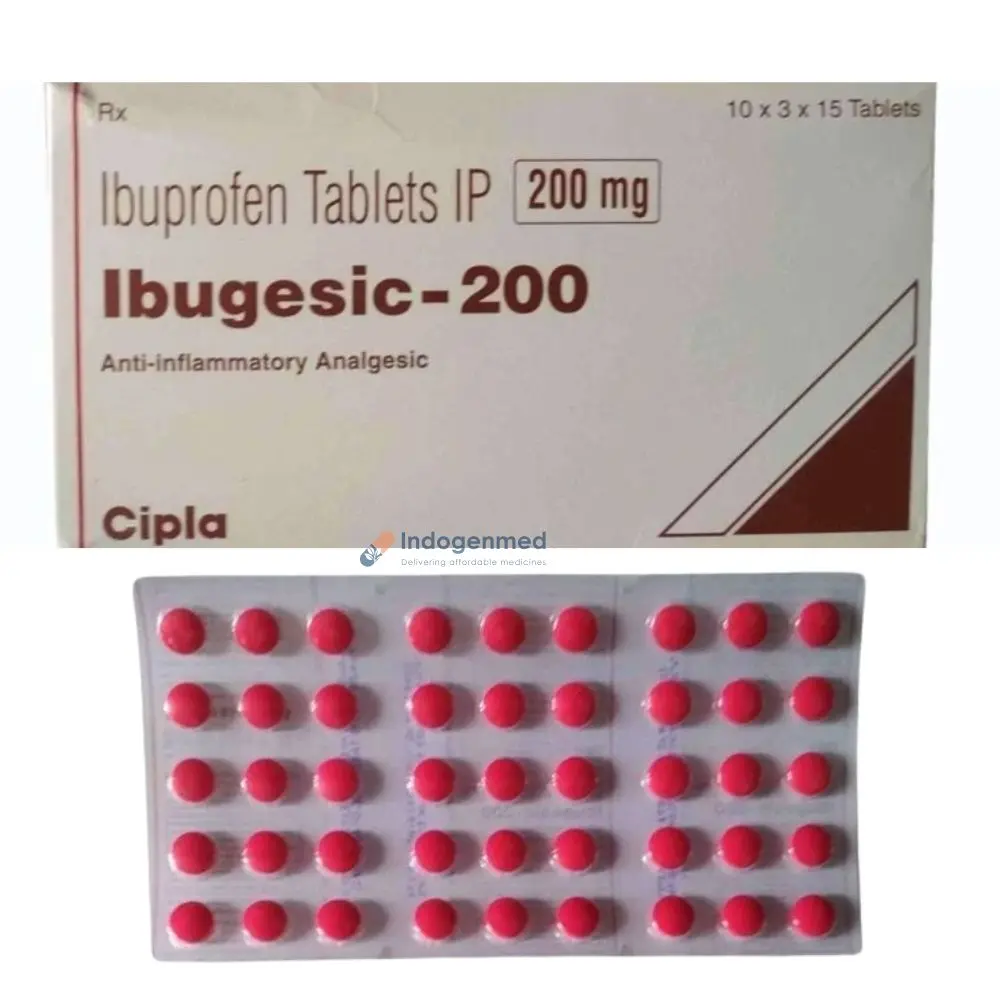
Ibugesic 200 mg Tablets (Ibuprofen 200 mg)
Ibugesic 200 mg Tablets contains ibuprofen 200 mg, a non-steroidal anti-inflammatory drug (NSAID). It is used to relieve pain and reduce inflammation, fever and stiffness. The product is manufactured by Cipla Ltd in India. Ibuprofen is one of the most widely used pain relievers, and the 200 mg tablet is a lower dose intended for short-term relief of mild to moderate pain.
Composition
| Active ingredient | Ibuprofen 200 mg |
| Dosage form | Tablet |
| Route of administration | Oral |
| Manufacturer | Cipla Ltd, India |
| Therapeutic class | NSAID (propionic acid derivative) |
Product Details
Each tablet contains 200 mg of ibuprofen and is designed to be swallowed whole. Do not chew, crush or break the tablet. Ibugesic is a well-established brand, and its composition matches other ibuprofen 200 mg products sold in several countries. Pack sizes vary by supplier, so check the label for the number of tablets and the batch details.
Mechanism of Action
Ibuprofen works by blocking the cyclo-oxygenase enzymes (COX-1 and COX-2). These enzymes produce prostaglandins, which cause pain, fever and inflammation. By reducing prostaglandin production, ibuprofen relieves pain, lowers fever and eases swelling in the affected area.
Indications
Ibugesic 200 mg is used for mild to moderate pain such as headache, toothache, menstrual cramps, muscle and joint aches, and minor injuries. It is also used for the symptoms of arthritic conditions, including osteoarthritis and rheumatoid arthritis, and to reduce fever. Ibuprofen should not be used for long periods without a doctor’s review, particularly for arthritis, where the dose and duration are set by a specialist.
Dosage and Administration
Adults usually take one to two tablets, that is 200 to 400 mg, up to three times a day, as needed. Do not take more than six tablets, or 1200 mg, in any 24-hour period unless a doctor advises otherwise. Leave at least four hours between doses. Take the tablet with food or milk to protect the stomach. Use the lowest dose for the shortest time needed to control the symptoms, and stop if the pain goes away. Children’s doses must be calculated by a doctor, based on body weight.
Special Populations
Pregnancy: Ibuprofen should be avoided in the later stages of pregnancy, and use in early pregnancy should be discussed with a doctor because of the potential effects on the baby.
Breastfeeding: Small amounts of ibuprofen pass into breast milk. It is generally considered acceptable at standard doses, but the doctor should be consulted.
Children: Children should take the dose calculated for their body weight, and the product should be used with care in young children and adolescents.
Older adults: Older patients have a higher risk of stomach bleeding and kidney problems with NSAIDs, so the lowest effective dose should be used.
Precautions
Ibuprofen can irritate the stomach and, in some people, cause bleeding or ulcers, particularly with long-term use or in older adults. Use with care if you have asthma, fluid retention, oedema, high blood pressure, heart failure, kidney disease or liver disease. The product is considered unsafe in patients with liver disease, and dose adjustment may be needed in severe kidney disease. NSAIDs at high doses may carry a small increased risk of heart attack and stroke, so the lowest effective dose is important. Avoid alcohol while taking this medicine, because it increases the risk of stomach problems.
Contraindications
Do not use Ibugesic if you are allergic to ibuprofen or other NSAIDs, including aspirin. It should not be used if you have active stomach or intestinal bleeding, a history of NSAID-related ulcers or bleeding, or severe heart failure. Avoid it in the last three months of pregnancy.
Side Effects
The most common side effects are heartburn, indigestion, stomach pain, nausea and loss of appetite. Headache, dizziness and rash can also occur. Stop taking the tablet and seek urgent help if you notice black or bloody stools, vomiting blood, swelling of the face or throat, difficulty breathing, severe skin reactions, or a sudden change in vision or hearing.
Drug Interactions
Antacids should not be taken within two hours of this medicine, because they can change how well ibuprofen is absorbed. Ibuprofen can reduce the blood-pressure effect of some antihypertensive medicines and can increase the risk of kidney problems when combined with diuretics. It increases the risk of bleeding when taken with blood thinners such as warfarin or with aspirin. Combining it with other NSAIDs or corticosteroids raises the risk of stomach ulcers. Tell your doctor about all medicines you take before using this product.
Storage
Store the tablets in a cool, dry place, in the original packaging, and keep them out of reach of children and pets.
Frequently Asked Questions
Can I drink alcohol while taking Ibugesic?
It is best to avoid alcohol, because combining it with ibuprofen raises the risk of stomach problems.
Can I take it on an empty stomach?
Take it with food or milk to reduce stomach upset.
Can I take an antacid with it?
Leave at least two hours between taking an antacid and taking this tablet.
What should I do if I miss a dose?
Take it when you remember, unless it is nearly time for the next dose. Do not take two doses together.
References
- Lybrate, Ibugesic 200 mg Tablet product information (ibuprofen 200 mg, Cipla, uses and precautions): https://www.lybrate.com/medicine/ibugesic-200mg-tablet
- 1mg, IBUgesic 200 Tablet product information (dosing with food, antacid timing, liver and kidney cautions): https://www.1mg.com/drugs/ibugesic-200-tablet-701309
- Medicines.org.uk, Ibuprofen 200 mg tablets SmPC (adult dosing ceiling, cardiovascular risk statement): https://www.medicines.org.uk/emc/product/101385/smpc
Disclaimer
This information is for general education and does not replace advice from a qualified doctor or pharmacist. Use Ibugesic 200 mg Tablets as directed on the label or by your doctor, and seek medical advice if pain or fever persists.




Reviews
There are no reviews yet.