Pain is a complex multidimensional sensory and emotional experience associated with, or resembling that associated with, actual or potential tissue damage. Far from being a simple, direct read-out of a peripheral injury, pain is processed through dynamic neural circuits across the peripheral nervous system (PNS) and central nervous system (CNS). It involves an intricate interplay of primary afferent nociceptive fibers, dorsal horn interneurons, ascending spinothalamic tracts, and descending inhibitory or facilitatory pathways.
When regulated appropriately, acute pain serves an essential evolutionary and protective function—acting as an immediate warning system that alerts the organism to mechanical, thermal, or chemical harm and promotes behaviors that allow injured tissue to heal. However, when neuroplastic maladaptations occur, or when underlying organic tissue damage remains unaddressed, pain can transition into a chronic, pathological state.
Chronic pain affects more than 20% to 30% of adults globally, driving persistent functional disability, sleep disturbances, psychological depression, and significant healthcare utilization.
Modern clinical pain medicine relies on multimodal analgesia—the deliberate, rational combination of distinct pharmacological agents, physical modalities, interventional nerve procedures, and behavioral therapies. By targeting multiple anatomical points along the nociceptive and neuropathic transmission pathways simultaneously, multimodal protocols achieve superior pain relief while minimizing reliance on high-dose opioid regimens and reducing class-specific toxicities.
This comprehensive clinical guide reviews the neurobiology of pain, clinical classifications (nociceptive, neuropathic, nociplastic), objective diagnostic assessments, core analgesic drug classes, the revised World Health Organization (WHO) analgesic ladder, interventional procedures, safe dosing rules, and clinical standards for therapies across this category.
Pain Management Clinical Matrix
-
Non-Opioid Analgesics (Acetaminophen / Paracetamol):
-
Key Molecules: Acetaminophen (Paracetamol), IV Acetaminophen.
-
Mechanism of Action: Central inhibition of prostaglandin synthesis (central COX inhibition); active metabolite (AM404) activates cannabinoid CB1 receptors and TRPV1 channels in the brain and spinal cord.
-
Clinical Indications: Mild-to-moderate nociceptive pain, osteoarthritis, acute tension headache, multimodal baseline for postoperative surgical pain.
-
Critical Precautions & Monitoring: Strict maximum daily dose ceiling of 4,000 mg (reduced to 2,000 to 3,000 mg in chronic alcohol use, malnutrition, or hepatic impairment); acute overdose risks fatal centrilobular hepatic necrosis.
-
Non-Steroidal Anti-Inflammatory Drugs (NSAIDs):
-
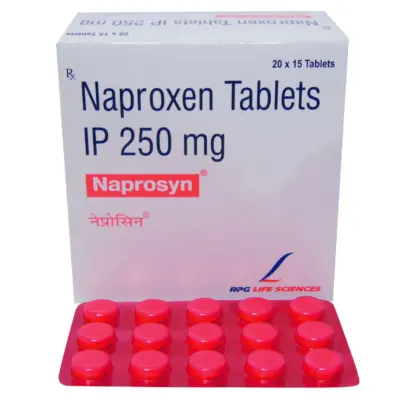
Key Molecules: Ibuprofen, Naproxen, Diclofenac, Celecoxib, Etoricoxib, Meloxicam, Ketorolac.
-
Mechanism of Action: Peripheral and central inhibition of cyclooxygenase enzymes (COX-1 and/or COX-2), preventing arachidonic acid conversion into pro-inflammatory prostaglandins (PGE2, PGI2).
-
Clinical Indications: Inflammatory musculoskeletal pain, rheumatoid flares, acute gouty arthritis, renal colic, primary dysmenorrhea, post-traumatic soft-tissue injury.
-
Critical Precautions & Monitoring: Gastrointestinal mucosal ulceration (co-prescribe PPI in high-risk patients), renal hemodynamics (afferent arteriolar vasoconstriction reducing eGFR), systemic fluid retention, cardiovascular thrombotic risks (spared by naproxen; elevated with high-dose selective COX-2 inhibitors).
-
Neuropathic Adjuvant Modulators (Gabapentinoids):
-
Key Molecules: Gabapentin, Pregabalin.
-
Mechanism of Action: Binds selectively to the auxiliary alpha-2-delta-1 subunit of voltage-gated calcium channels in presynaptic neurons, decreasing calcium influx and blunting the exocytotic release of excitatory neurotransmitters (glutamate, substance P, calcitonin gene-related peptide).
-
Clinical Indications: Diabetic peripheral neuropathy, post-herpetic neuralgia, central post-stroke pain, spinal radiculopathy, fibromyalgia, perioperative opioid-sparing protocols.
-
Critical Precautions & Monitoring: Sedation, dizziness, peripheral pedal edema, ataxia; requires renal dose adjustments based on creatinine clearance; additive respiratory depression when combined with central opioids.
-
Serotonin-Norepinephrine Reuptake Inhibitors (SNRIs) & TCAs:
-
Key Molecules: Duloxetine, Venlafaxine, Amitriptyline, Nortriptyline.
-
Mechanism of Action: Inhibits the reuptake of serotonin (5-HT) and norepinephrine (NE) in the brainstem, enhancing the activity of descending inhibitory spinal pathways that block ascending pain signals.
-
Clinical Indications: Diabetic neuropathic pain, fibromyalgia, chronic musculoskeletal low back pain, chronic migraine prophylaxis.
-
Critical Precautions & Monitoring: Anticholinergic side effects (dry mouth, urinary retention, blurred vision with TCAs), QTc interval prolongation, blood pressure elevation (SNRIs), potential serotonin syndrome when combined with tramadol or other serotonergic agents.
-
Weak to Moderate Opioids & Atypical Analgesics:
-
Key Molecules: Tramadol, Codeine, Tapentadol.
-
Mechanism of Action: Dual mechanism: weak-to-moderate mu-opioid receptor agonism combined with norepinephrine and/or serotonin reuptake inhibition (Tapentadol features significant norepinephrine reuptake inhibition with minimal serotonergic action).
-
Clinical Indications: Moderate acute pain, breakthrough musculoskeletal pain, neuropathic pain resistant to first-line agents.
-
Critical Precautions & Monitoring: Lowers seizure threshold (tramadol), respiratory depression, physical dependence, nausea, constipation, variable CYP2D6 metabolism (codeine toxicity or failure).
-
Potent Pure Mu-Opioid Receptor Agonists:
-
Key Molecules: Morphine, Oxycodone, Hydromorphone, Fentanyl, Buprenorphine, Methadone.
-
Mechanism of Action: Selective binding to Gi-protein-coupled mu-opioid receptors, closing voltage-gated calcium channels presynaptically and opening G-protein-coupled inwardly rectifying potassium channels postsynaptically, hyperpolarizing neuronal membranes and blocking transmission.
-
Clinical Indications: Severe acute traumatic pain, major surgical procedures, advanced oncologic/cancer pain, severe refractory chronic pain under close specialist management.
-
Critical Precautions & Monitoring: Life-threatening dose-dependent respiratory depression, sedation, severe opioid-induced constipation (OIC), hyperalgesia, physical dependence, addiction/diversion potential; naloxone co-prescription recommended for high-risk regimens.
-
Topical Analgesic Formulations:
-
Key Molecules: Topical Lidocaine (5% patch/gel), Topical Capsaicin (0.025% cream or 8% patch), Topical Diclofenac (1% to 2% gel).
-
Mechanism of Action: Blocks voltage-gated sodium channels in cutaneous nociceptive fibers (lidocaine); depletes substance P and defunctionalizes TRPV1 receptors (capsaicin); provides localized tissue COX inhibition (diclofenac).
-
Clinical Indications: Localized neuropathic pain, post-herpetic neuralgia, superficial knee and hand osteoarthritis.
-
Critical Precautions & Monitoring: Application site erythema, burning sensations, skin irritation; negligible systemic absorption, avoiding classic systemic organ toxicities.
The Neurobiology of Pain: Physiological Transmission Pathways
Pain processing involves four distinct neurobiological phases: transduction, transmission, modulation, and perception.
1. Transduction
Noxious thermal , mechanical (crush, shear), or chemical stimuli act on peripheral sensory nerve endings called nociceptors—unspecialized free nerve arborizations of primary afferent neurons:
-
Tissue Injury & The Inflammatory Soup: Cellular damage lyses cell membranes, releasing intracellular potassium, ATP, and enzymes that synthesize an acidic, pro-inflammatory chemical environment. This “inflammatory soup” contains bradykinin, prostaglandins (PGE2), histamine, serotonin, protons, and nerve growth factor (NGF).
-
Receptor Activation: These chemical mediators bind directly to ion channels on the nociceptor membrane, including Transient Receptor Potential Vanilloid-1 (TRPV1), acid-sensing ion channels (ASICs), and purinergic P2X receptors. This generates inward depolarizing sodium and calcium currents, producing a generator potential.
-
Sensitization: Prostaglandins do not directly fire action potentials on their own; rather, they phosphorylate voltage-gated sodium channels (specifically NaV1.8 and NaV1.9), lowering the activation threshold. This causes peripheral sensitization, meaning previously sub-threshold stimuli now trigger action potentials (allodynia), and normal noxious stimuli produce an exaggerated pain response (hyperalgesia).
2. Transmission
Once a generator potential reaches threshold, voltage-gated sodium channels fire action potentials along primary afferent nerve fibers into the central nervous system:
-
A-Delta Fibers: Lightly myelinated, medium-diameter fibers that conduct rapidly (5 to 30 meters per second). They transmit sharp, localized, fast, “first” pain that prompts immediate withdrawal reflexes.
-
C Fibers: Unmyelinated, small-diameter fibers that conduct slowly (0.5 to 2 meters per second). They transmit dull, throbbing, aching, burning, poorly localized “second” pain that persists long after the initial injury.
-
Synaptic Relays in the Dorsal Horn: These primary afferent fibers enter the dorsal horn of the spinal cord, synapsing primarily in the superficial laminae (Lamina I and II, the substantia gelatinosa). The presynaptic nerve terminals release excitatory neurotransmitters—predominantly the amino acid glutamate alongside neuropeptides like Substance P and Calcitonin Gene-Related Peptide (CGRP).
-
Second-Order Neurons: Glutamate binds to postsynaptic AMPA receptors to transmit rapid baseline signals, and to NMDA (N-methyl-D-aspartate) receptors under conditions of sustained, repetitive firing. Second-order projection neurons then decussate (cross over) via the anterior white commissure and ascend along the anterolateral quadrant of the spinal cord within the spinothalamic tract to the thalamus.
3. Modulation
Pain signals traveling up the spinal cord are not static; they are dynamically filtered, amplified, or suppressed by intrinsic spinal circuits and descending brain pathways:
-
The Gate Control Theory (Melzack and Wall): Non-noxious mechanical sensory input carried by large, heavily myelinated A-Beta fibers (such as rubbing, vibration, or touch) stimulates inhibitory GABAergic interneurons in the substantia gelatinosa. This inhibits transmission between primary nociceptors and second-order spinothalamic neurons, effectively “closing the spinal gate” against ascending pain signals.
-
Descending Endogenous Inhibitory Pathways: The periaqueductal gray (PAG) in the midbrain communicates with the rostral ventromedial medulla (RVM) and the locus coeruleus. These structures send descending axonal projections down the dorsal columns of the spinal cord, releasing endogenous opioids (endorphins, enkephalins), norepinephrine, and serotonin. Norepinephrine acts on post-synaptic alpha-2 adrenergic receptors in the dorsal horn to hyperpolarize projection neurons and blunt presynaptic transmitter release, dampening ascending pain transmission.
4. Perception
Third-order neurons project from the ventral posterolateral (VPL) nucleus of the thalamus to the primary and secondary somatosensory cortices, which process the sensory-discriminative dimensions of pain (location, intensity, quality).
Concurrently, spinothalamic and spinoreticular projections travel to the anterior cingulate cortex (ACC), insular cortex, and amygdala—structures within the limbic system that process the affective-motivational dimensions of pain (the emotional unpleasantness, fear, suffering, and behavioral autonomic responses).
Clinical Classifications of Pain
Proper therapy selection depends on identifying the underlying neurobiological mechanism driving the pain presentation:
1. Nociceptive Pain
Arises from actual or threatened damage to non-neural tissue and is driven by the normal activation of functioning nociceptors:
-
Somatic Nociceptive Pain: Originates in cutaneous skin, subcutaneous tissues, fascia, bone, joint capsules, ligaments, and skeletal muscle. It is typically well-localized, sharp, stabbing, aching, or throbbing, often exacerbated by movement or mechanical pressure (e.g., bone fractures, acute sprains, postoperative surgical incision pain, osteoarthritis).
-
Visceral Nociceptive Pain: Originates from the internal thoracic, abdominal, or pelvic organs (viscera). Internal organs lack dedicated temperature or sharp-cutting receptors; rather, visceral nociceptors fire in response to mechanical distension, smooth muscle spasm, ischemia, capsular traction, or chemical inflammation. It is characteristically dull, deep, cramping, poorly localized, and frequently accompanied by autonomic signs (nausea, diaphoresis, pallor) and referred pain—where visceral pain is perceived in superficial cutaneous dermatomes that share common embryonic spinal cord segments (e.g., myocardial ischemia referring pain to the left arm and jaw; gallbladder inflammation referring pain to the right scapula).
2. Neuropathic Pain
Pain caused by a primary lesion or disease of the somatosensory nervous system itself:
-
Peripheral Neuropathic Pain: Driven by injury or dysfunction of peripheral nerves, nerve roots, or plexuses. Common clinical conditions include diabetic peripheral symmetric polyneuropathy, post-herpetic neuralgia following shingles, lumbar/cervical radiculopathy (sciatica), trigeminal neuralgia, and chemotherapy-induced peripheral neuropathy (CIPN).
-
Central Neuropathic Pain: Driven by primary lesions within the brain or spinal cord, such as post-stroke thalamic pain (Dejerine-Roussy syndrome), multiple sclerosis plaque pain, or post-spinal cord injury syringomyelia.
-
Clinical Characteristics: Patients describe neuropathic pain using distinctive descriptors: lancinating, electric-shock-like, shooting, burning, icy-cold, stinging, or tingling sensations. It is frequently accompanied by:
-
Allodynia: Pain triggered by a stimulus that does not normally provoke pain (e.g., a light bedsheet touching the skin).
-
Hyperalgesia: An exaggerated, prolonged painful response to a mildly noxious pinprick stimulus.
-
Paresthesias and Dysesthesias: Spontaneous, unpleasant, abnormal sensations like crawling or pins-and-needles.
3. Nociplastic Pain (Central Sensitization)
Pain that arises from altered nociception despite no clear evidence of actual or threatened tissue damage causing the activation of peripheral nociceptors, and no evidence of disease or lesion of the somatosensory system:
-
Pathophysiology: Characterized by central sensitization—an enduring state of generalized neuro-amplification where the central nervous system amplifies sensory signals. Dorsal horn neurons develop enhanced excitability, descending inhibitory controls become impaired, and functional neuroimaging shows hyperactivity within limbic pain networks.
-
Clinical Conditions: Fibromyalgia, complex regional pain syndrome (CRPS), irritable bowel syndrome (IBS), chronic non-specific low back pain, and temporomandibular joint disorder (TMD). Patients typically present with widespread, multifocal, diffuse musculoskeletal pain accompanied by profound fatigue, non-restorative sleep, cognitive fog, and multiple chemical/environmental sensitivities.
Acute vs. Chronic Pain: The Chronification Process
-
Acute Pain: Pain of recent onset with an identifiable mechanical, thermal, surgical, or infectious cause. It is self-limiting and expected to resolve within the normal biological healing timeframe of the affected tissue, typically within days to a maximum of 3 months. Management focuses on treating the underlying injury, reducing inflammatory edema, and providing temporary, tapered analgesia.
-
Chronic Pain: Pain that persists or recurs longer than 3 months, continuing beyond the normal biological healing period. Chronic pain is no longer a mere symptom of an ongoing peripheral illness; it becomes a distinct, standalone neuro-pathological disease entity.
The Pain Chronification Cascade:
Acute Peripheral Tissue Injury & Inflammation
                  │
                  ▼
Continuous, Unchecked Nociceptive Afferent Barrage
                  │
                  ▼
Sustained Presynaptic Depolarization (High Glutamate & Substance P Release)
                  │
                  ▼
Removal of Magnesium (Mg2+) Plug from Post-Synaptic NMDA Receptors
                  │
                  ▼
Massive Intracellular Calcium Influx & Activation of Intracellular Kinases (PKC, MAPK)
                  │
                  ▼
Spinal Cord "Wind-Up" & Dorsal Horn Central Sensitization
                  │
                  ▼
Loss of GABAergic Inhibitory Interneurons & Cortical Remodeling
                  │
                  ▼
Persistent, Maladaptive Chronic Pain State (Independent of Peripheral Pathology)
Comprehensive Diagnostic Assessment and Pain Measurement
Because pain is an inherently subjective internal state that cannot be directly measured with a simple laboratory meter, accurate clinical evaluation relies on structured, multi-dimensional assessment tools:
1. The PQRST Clinical Pain Assessment
A structured interviewing framework used by clinicians to characterize a patient’s pain experience:
-
P – Provoking & Palliating Factors: What physical movements, postures, thermal changes, or daily activities worsen the pain? What positions, rest periods, ice, heat, or medications provide measurable relief?
-
Q – Quality: What does the sensation feel like physically? (Somatic: aching, throbbing, dull; Neuropathic: shooting, electric, burning; Visceral: cramping, squeezing, colicky).
-
R – Region & Radiation: Where is the primary pain point located anatomically, and does it radiate along a specific dermatome or vascular path (e.g., lumbosacral pain radiating down the posterior leg along the L5/S1 dermatome)?
-
S – Severity & Intensity: Quantified using validated, standardized numerical pain scales.
-
T – Timing & Temporal Pattern: When did the pain first begin? Is it continuous, intermittent, nocturnal, or episodic? How long does an individual breakthrough pain flare last?
2. Validated Pain Measurement Scales
-
Visual Analog Scale (VAS): A continuous 100-millimeter horizontal line where the left anchor indicates “no pain” and the right anchor indicates “worst pain imaginable.” The patient marks a point along the line, providing an objective numerical metric.
-
Numeric Rating Scale (NRS-11): An 11-point scale from 0 to 10 (0 = no pain, 1 to 3 = mild pain, 4 to 6 = moderate pain, 7 to 10 = severe pain). It is fast, intuitive, and widely used across inpatient and outpatient care.
-
Wong-Baker FACES Pain Rating Scale: Displays six hand-drawn facial expressions ranging from a smiling, happy face (no hurt) to a crying, tearful face (hurts worst). Validated for children aged 3 and older, non-verbal patients, or individuals with cognitive impairments or language barriers.
-
The Brief Pain Inventory (BPI): Evaluates both pain severity and the degree to which pain interferes with seven domains of daily life (general activity, mood, walking ability, normal work, relationships, sleep, and enjoyment of life).
-
The painDETECT & DN4 Tools: Validated screening questionnaires specifically designed to determine whether pain features a predominant neuropathic component based on prickling, electric-shock, numbness, and thermal symptoms.
The World Health Organization (WHO) Analgesic Ladder
Originally established in 1986 for cancer pain, the WHO Analgesic Ladder provides a structured, stepwise framework for managing acute and chronic pain. Modern practice incorporates a bidirectional, four-step model emphasizing early multimodal interventions:
The Revised 4-Step WHO Analgesic Ladder:
┌────────────────────────────────────────────────────────────────────────┐
│ STEP 4: Interventional & Neuromodulatory Procedures                    │
│ • Epidural / Intrathecal Drug Delivery Systems, Neurolytic Celiac      │
│   Plexus Blocks, Spinal Cord Stimulation (SCS), Targeted Radiofrequency│
├────────────────────────────────────────────────────────────────────────┤
│ STEP 3: Severe Pain (Potent Opioids ± Non-Opioids ± Adjuvants)         │
│ • Morphine, Oxycodone, Hydromorphone, Fentanyl, Methadone              │
├────────────────────────────────────────────────────────────────────────┤
│ STEP 2: Mild-to-Moderate Pain (Weak/Atypical Opioids ± Adjuvants)       │
│ • Tramadol, Tapentadol, Codeine, Low-Dose Buprenorphine                │
├────────────────────────────────────────────────────────────────────────┤
│ STEP 1: Mild Pain (Non-Opioids ± Adjuvants)                            │
│ • Acetaminophen (Paracetamol), Oral/Topical NSAIDs, Gabapentinoids     │
└────────────────────────────────────────────────────────────────────────┘
Core Principles of the Ladder
-
By the Clock (Not Just As-Needed): For continuous, unremitting chronic or cancer pain, analgesics should be scheduled at regular fixed intervals matching their biological duration of action to maintain stable blood levels, rather than waiting for pain to recur. Breakthrough doses are prescribed concurrently for sudden flares.
-
By the Mouth: The oral route is preferred whenever functional and tolerated, avoiding painful injections or complex intravenous lines. Transdermal, sublingual, subcutaneous, or intravenous routes are reserved for patients with severe nausea, bowel obstruction, or dysphagia.
-
For the Individual: There is no single universal dose for opioids. The appropriate dose is the one that relieves pain with manageable, tolerable side effects.
-
Stepping Up and Stepping Down: The ladder is bidirectional. A patient presenting with severe, traumatic postoperative pain or an acute fracture can step directly onto Step 3 to rapidly control pain, then step down to Step 2 and Step 1 as tissues heal.
Major Classes of Analgesic Medications
Modern pain pharmacotherapy relies on combining different drug classes with distinct mechanisms of action:
1. Non-Opioid Analgesics: Acetaminophen (Paracetamol)
-
Pharmacodynamics: Unlike NSAIDs, acetaminophen possesses minimal peripheral anti-inflammatory activity. It acts primarily within the central nervous system, where it inhibits central prostaglandin synthesis through a mechanism dependent on local tissue peroxide concentrations. Its active breakdown product in the brain, AM404, inhibits the reuptake of endogenous anandamide, activating the central cannabinoid system while stimulating descending serotonergic inhibitory pathways.
-
Dosing Limits & Safety: Standard adult dosing is 500 mg to 1,000 mg every 4 to 6 hours. The maximum cumulative daily limit is strictly capped at 4,000 mg in healthy adults. In individuals with chronic alcohol misuse, underlying viral hepatitis, malnutrition, or hepatic cirrhosis, the daily limit should not exceed 2,000 to 3,000 mg.
-
Hepatotoxicity Mechanism: In therapeutic doses, 90% of acetaminophen is safely conjugated via hepatic glucuronidation and sulfation. Roughly 5% to 10% is metabolized by cytochrome P450 (predominantly CYP2E1) into the highly reactive, cytotoxic intermediate N-acetyl-p-benzoquinone imine (NAPQI). Under normal conditions, endogenous hepatic glutathione binds and neutralizes NAPQI into harmless mercapturic acid. In acute overdose, glutathione stores are rapidly depleted; unbound NAPQI binds covalently to hepatocytes, causing extensive centrilobular liver necrosis. The specific clinical antidote is N-Acetylcysteine (NAC), which directly replenishes intracellular hepatic glutathione stores when administered promptly.
2. Non-Steroidal Anti-Inflammatory Drugs (NSAIDs)
-
Pharmacodynamics: Inhibit cyclooxygenase enzymes, blocking the conversion of arachidonic acid into pro-inflammatory prostaglandins:
-
COX-1 (Constitutive): Found across the stomach lining, platelets, and renal vasculature. Synthesizes gastroprotective prostaglandins (PGE2, PGI2) that promote gastric bicarbonate secretion, maintain mucosal blood flow, and generate thromboxane A2 (TXA2) for platelet aggregation.
-
COX-2 (Inducible): Upregulated rapidly in response to inflammatory cytokines and tissue trauma, driving local pain, hyperalgesia, swelling, and fever.
-
Non-Selective NSAIDs (Ibuprofen, Naproxen, Diclofenac): Inhibit both COX-1 and COX-2. While effective for inflammatory musculoskeletal pain, blocking COX-1 increases the risk of gastric mucosal erosions, peptic ulcers, and gastrointestinal bleeding. Naproxen demonstrates a relatively favorable cardiovascular thrombotic safety profile among non-selective agents.
-
Selective COX-2 Inhibitors (Celecoxib, Etoricoxib): Target the inducible COX-2 enzyme while sparing the cytoprotective COX-1 enzyme, reducing the incidence of symptomatic stomach ulcers by more than 50%.
-
Cardiovascular Precaution: Selective COX-2 inhibition suppresses vasodilatory, anti-aggregatory prostacyclin in vascular endothelial cells without inhibiting pro-thrombotic thromboxane in platelets. This unbalances vascular homeostasis, elevating the long-term risk of myocardial infarction, stroke, and systemic hypertension. Selective COX-2 inhibitors should be avoided in patients with established ischemic heart disease or severe heart failure.
-
Renal Hemodynamics: All oral NSAIDs block renal prostaglandins responsible for dilating afferent arterioles. In patients with dehydration, chronic kidney disease, heart failure, or concurrent treatment with ACE inhibitors and diuretics (the “triple whammy”), NSAIDs can trigger acute renal vasoconstriction and acute kidney injury (AKI).
3. Neuropathic Adjuvant Modulators (Gabapentinoids)
-
Molecules: Gabapentin, Pregabalin.
-
Pharmacodynamics: Despite their structural similarity to the inhibitory neurotransmitter GABA, gabapentinoids do not bind to GABA receptors or affect GABA uptake or metabolism. Instead, they bind with high affinity to the alpha-2-delta-1 auxiliary subunit of voltage-gated calcium channels in the brain and spinal dorsal horn. By blocking this subunit, they reduce the influx of presynaptic calcium during action potential arrivals, blunting the exocytotic release of excitatory neurotransmitters (glutamate, substance P, and noradrenaline).
-
Clinical Advantages: Highly effective for managing burning, shooting, and electrical neuropathic symptoms. Unlike opioids, they do not cause hepatic enzyme induction or severe constipation.
-
Tolerability & Dose Titration: Must be titrated upward slowly over 2 to 4 weeks to avoid initial sedation, dizziness, ataxia, and peripheral pedal edema. Because they are eliminated exclusively unchanged by the kidneys, doses must be adjusted based on the patient’s estimated Glomerular Filtration Rate (eGFR).
4. Centrally Acting Antidepressants (SNRIs and TCAs)
-
SNRIs (Duloxetine, Venlafaxine): Inhibit the neuronal reuptake of both serotonin and norepinephrine in equal proportions. Elevating norepinephrine levels in the dorsal horn strengthens descending inhibitory pathways, reducing ascending pain signals. Standard first-line therapy for diabetic neuropathic pain, fibromyalgia, and chronic low back pain.
-
Tricyclic Antidepressants (TCAs – Amitriptyline, Nortriptyline): Effective across multiple forms of neuropathic pain and chronic migraine prevention. They act through multi-mechanistic pathways: inhibiting norepinephrine and serotonin reuptake, blocking voltage-gated sodium channels, and antagonizing NMDA receptors.
-
Safety Consideration: TCAs block muscarinic acetylcholine receptors, histaminergic H1 receptors, and alpha-1 adrenergic receptors, frequently causing dry mouth, constipation, sedation, urinary hesitancy, and orthostatic hypotension. Because they can delay cardiac conduction and prolong the QTc interval, baseline ECG screening is recommended, and they should be used with caution in older adults.
5. Opioid Analgesics: Pure Agonists and Atypical Agents
Opioid medications remain the most potent systemic analgesics for managing moderate-to-severe acute pain and cancer-related pain:
-
Cellular Mechanism: Opioids bind to Gi-protein-coupled mu-opioid receptors (MOR) on primary afferent and dorsal horn projection neurons:
-
Presynaptic Action: Closes voltage-gated calcium channels, preventing the release of glutamate and substance P.
-
Postsynaptic Action: Opens G-protein-coupled inwardly rectifying potassium (GIRK) channels, allowing potassium ions to exit the cell. This hyperpolarizes the neuronal membrane, preventing action potential propagation along ascending spinothalamic tracts.
-
Atypical Opioids (Tramadol & Tapentadol):
-
Tramadol: A synthetic 4-phenyl-piperidine analogue. Provides modest mu-opioid receptor agonism combined with serotonin and norepinephrine reuptake inhibition. Because its primary active analgesic metabolite (M1 / O-desmethyltramadol) depends on the hepatic CYP2D6 enzyme for activation, genetic variations in CYP2D6 can result in either treatment failure (in poor metabolizers) or severe opioid toxicity (in ultra-rapid metabolizers).
-
Tapentadol: A single-molecule agent that pairs direct, moderate mu-opioid receptor agonism with potent, selective norepinephrine reuptake inhibition (NRI). It does not require hepatic metabolic activation, possesses minimal serotonergic activity (reducing serotonin syndrome risks), and produces significantly lower rates of gastrointestinal nausea and constipation compared to traditional pure mu-agonists.
-
Pure Potent Agonists (Morphine, Oxycodone, Hydromorphone, Fentanyl):
-
Morphine: The historical natural benchmark opioid. Metabolized by hepatic glucuronidation into morphine-3-glucuronide (M3G, which is neurotoxic) and morphine-6-glucuronide (M6G, which is an active analgesic). Both metabolites are cleared by the kidneys and can accumulate dangerously in renal impairment.
-
Oxycodone & Hydromorphone: Semi-synthetic alternatives with reliable oral bioavailability and predictable pharmacokinetics.
-
Fentanyl: A highly lipophilic synthetic opioid, 50 to 100 times more potent than morphine, available as transdermal patches for stable, chronic cancer pain and sublingual/intranasal sprays for rapid breakthrough pain. Because it lacks active renal metabolites, fentanyl is preferred in patients with advanced renal failure.
-
Buprenorphine: A partial mu-opioid receptor agonist with an exceptionally high receptor binding affinity and a slow dissociation rate, alongside kappa-opioid receptor antagonism. It provides stable analgesia with a “ceiling effect” for respiratory depression, reducing fatal overdose risks compared to full agonists. Available as extended transdermal patches for chronic non-cancer pain and sublingual formulations.
Interventional Pain Management Modalities
When systemic pharmacotherapies fail to control severe localized pain, or when dose-limiting side effects emerge, interventional procedures can interrupt specific nerve pathways:
-
Epidural Steroid Injections (ESI): Performed under real-time fluoroscopic (X-ray) guidance via transforaminal, interlaminar, or caudal routes. A long-acting corticosteroid (such as triamcinolone or dexamethasone) combined with a local anesthetic is deposited directly into the epidural space surrounding inflamed, compressed spinal nerve roots. This clears pro-inflammatory cytokines, reduces nerve edema, and relieves radicular nerve pain (sciatica) caused by lumbar or cervical disc herniations.
-
Facet Joint Interventions & Radiofrequency Ablation (RFA):
-
Diagnostic Medial Branch Blocks: Local anesthetic is injected onto the small sensory nerves (medial branches) supplying arthritic facet joints of the spine. If the block temporarily relieves back or neck pain by 70% to 80%, it confirms the facet joints as the primary pain generator.
-
Radiofrequency Neurotomy: A specialized thermal probe heated to 80 degree creates a localized thermal coagulation lesion on the medial branch nerve, interrupting sensory pain transmission from the arthritic facet joint for 6 to 18 months until the nerve gradually regenerates.
-
Peripheral Nerve and Joint Injections: Fluoroscopic or high-resolution ultrasound-guided injections of local anesthetics, corticosteroids, or viscosupplementation into major joint cavities (knee, hip, shoulder), subacromial bursae, or surrounding peripheral nerve entrapment sites (e.g., carpal tunnel, occipital nerves).
-
Sympathetic Ganglion Blocks: Used to treat complex regional pain syndrome (CRPS), neuropathic vascular pain, and visceral organ pain:
-
Stellate Ganglion Block: Cervical sympathetic chain block for upper extremity pain and vascular insufficiency.
-
Celiac Plexus Neurolysis: Direct chemical ablation of the celiac nerve plexus with absolute alcohol, relieving deep abdominal and back pain from unresectable pancreatic cancer.
-
Lumbar Sympathetic & Superior Hypogastric Blocks: For lower extremity CRPS and intractable pelvic pain.
-
Neuromodulation: Spinal Cord Stimulation (SCS): A minimally invasive implantable medical device:
-
Technique: Insulated lead wires with electrical contact electrodes are placed into the posterior epidural space over the dorsal columns of the spinal cord. These leads connect to a subcutaneous rechargeable pulse generator implanted in the buttock or abdominal wall.
-
Mechanism: The device delivers mild electrical currents to the dorsal columns, stimulating large A-beta sensory fibers to close the spinal gate, replacing burning neuropathic pain with a gentle tingling sensation (paresthesia) or using high-frequency/burst waveforms that eliminate pain silently without paresthesias. Indicated for Failed Back Surgery Syndrome (FBSS) and chronic complex regional pain syndrome.
-
Targeted Intrathecal Drug Delivery Systems (Pain Pumps): A surgically implanted programmable reservoir pump placed beneath the abdominal skin, connected to a thin catheter threaded into the intrathecal (spinal fluid) space. It continuously infuses micro-doses of morphine, hydromorphone, bupivacaine, or ziconotide directly onto spinal cord opioid receptors. Because the drug is delivered straight to target receptors in the spinal fluid, it achieves analgesia with roughly 1/300th of the equivalent oral dose, minimizing systemic sedation, nausea, and organ toxicities.
Safe Prescribing, Opioid Stewardship, and Patient Safety
Given the risks of physical dependence, tolerance, addiction, and fatal overdose associated with opioid analgesics, international health organizations (CDC, WHO) recommend strict opioid stewardship protocols:
1. The Distinction Between Dependence, Tolerance, and Addiction
-
Physical Tolerance: A normal neurobiological state where repeated exposure to an analgesic produces physiological adaptations, causing a given dose to have a diminishing analgesic effect over time, requiring dose escalation to maintain the same degree of pain control.
-
Physical Dependence: A predictable neuro-adaptive state resulting from chronic receptor stimulation. The body adapts to the drug’s continuous presence; if the medication is stopped abruptly, decreased rapidly, or an antagonist (naloxone) is administered, an acute physiological withdrawal syndrome emerges (sweating, dilated pupils, severe anxiety, abdominal cramping, diarrhea, piloerection, tachycardia). Physical dependence is an expected physiological response and does not equate to psychological addiction.
-
Addiction (Substance Use Disorder): A chronic, relapsing neurobiological disease characterized by compulsive drug-seeking behavior, loss of control over drug use, continued consumption despite clear physical, psychological, or social harm, and craving.
2. Universal Precautions and Risk-Mitigation Protocols
Prior to initiating chronic opioid therapy for non-cancer pain, clinicians implement risk-mitigation strategies:
-
Baseline Risk Stratification: Validated screening questionnaires—such as the Opioid Risk Tool (ORT) or the Screener and Opioid Assessment for Patients with Pain (SOAPP)—evaluate personal and family histories of substance use disorders and psychiatric comorbidities.
-
Prescription Drug Monitoring Programs (PDMP): Clinicians review state and regional electronic PDMP databases to check for dangerous drug-drug combinations (e.g., co-prescribing opioids with benzodiazepines) and identify duplicate prescriptions from multiple prescribers.
-
Written Patient-Prescriber Agreements: Clearly outline clinical expectations: obtaining pain medications from a single designated clinic and pharmacy, participating in scheduled follow-ups, and agreeing to periodic random urine drug monitoring.
-
Urine Drug Screening (UDS): Baseline and periodic urine testing confirms that the prescribed opioid is present in the urine (verifying adherence) and ensures that non-prescribed controlled substances, illicit drugs, or unlisted opioids are absent.
-
Calculating Morphine Milligram Equivalents (MME): To prevent dangerous dose escalations, clinicians calculate the total cumulative daily dose across all prescribed opioids in standardized Morphine Milligram Equivalents (MME). Clinical guidelines advise caution when increasing doses past 50 MME daily, and recommend avoiding or strongly justifying escalations beyond 90 MME daily.
-
Naloxone Co-Prescribing: Clinicians should co-prescribe the opioid antagonist Naloxone (as an easy-to-use intranasal spray) for any patient receiving , patients with concurrent respiratory conditions (COPD, sleep apnea), or individuals taking concurrent central nervous system depressants (benzodiazepines, alcohol). Family members and household cohabitants should be trained to recognize the signs of an opioid overdose—unresponsiveness, pinpoint pupils, and slow, shallow, or absent breathing—and instructed to administer intranasal naloxone immediately while calling emergency medical services.
3. Managing Common Analgesic Side Effects
-
Opioid-Induced Constipation (OIC): Unlike sedation or nausea, tolerance to opioid-induced constipation rarely develops. Opioids bind to enteric mu-receptors in the bowel wall, decreasing peristaltic contractions, delaying gastric emptying, and increasing fluid absorption from stool, resulting in hard, dry, compacted stool.
-
First-Line Management: Daily scheduled osmotic laxatives (e.g., Polyethylene Glycol – PEG) paired with a stimulant laxative (e.g., Senna). Bulk-forming fiber supplements (psyllium) should be avoided because they expand stool volume without stimulating motility, which can cause severe bowel impaction.
-
Peripherally Acting Mu-Opioid Receptor Antagonists (PAMORAs): If standard laxatives fail, prescription PAMORAs (such as Naldemedine or Naloxegol) can be used. These medications block mu-opioid receptors exclusively in the gastrointestinal tract without crossing the blood-brain barrier, restoring normal bowel function without reversing central pain relief or triggering opioid withdrawal.
-
Opioid-Induced Hyperalgesia (OIH): A paradoxical condition where prolonged, escalating high doses of opioids make a patient pathologically more sensitive to pain. Rather than indicating treatment tolerance, the patient experiences expanding, generalized, diffuse pain that feels different from their baseline injury. Management involves gradually tapering the opioid dose, switching to an alternative agent (such as buprenorphine or tapentadol), or introducing NMDA-receptor antagonists (such as ketamine).
Non-Pharmacological and Behavioral Pain Interventions
A comprehensive pain management plan integrates non-pharmacological, physical, and behavioral modalities to restore functional movement and address psychological distress:
-
Active Physical Therapy & Kinesiology: Passive modalities (such as ultrasound therapy, hot packs, or passive massage) provide short-term comfort, but active movement is essential for long-term recovery. Structured physical therapy builds muscle strength around painful joints, corrects biomechanical movement patterns, and restores functional range of motion.
-
Graded Motor Imagery and Desensitization: For neuropathic conditions and complex regional pain syndrome (CRPS), progressive sensory re-education and mirror therapy help normalize distorted sensory processing within the brain’s primary somatosensory cortex.
-
Cognitive Behavioral Therapy (CBT) for Chronic Pain: Pain perception is modified by emotional, cognitive, and social factors. CBT helps patients identify and change maladaptive cognitive patterns—such as pain catastrophizing (assuming the worst possible outcome), fear-avoidance behaviors (avoiding all movement out of fear of pain), and feelings of helplessness. Patients learn active coping skills, pacing strategies, and relaxation techniques, which functional neuroimaging confirms can reduce hyperactivity in limbic and sensory brain networks.
-
Mindfulness-Based Stress Reduction (MBSR) & Biofeedback: Combines mindfulness meditation, breathing exercises, and real-time electromyographic (EMG) or heart-rate variability biofeedback to calm autonomic sympathetic nervous system tone and reduce muscle tension.
-
Acupuncture & Transcutaneous Electrical Nerve Stimulation (TENS): TENS delivers low-voltage electrical currents via cutaneous electrodes over painful areas, stimulating local A-beta sensory fibers to activate the gate control mechanism in the spinal cord, providing temporary relief for acute muscular strains and chronic osteoarthritis.
Which Medical Specialist Should You Consult?
Because pain can stem from structural, neurological, inflammatory, or psychological factors, multidisciplinary care ensures accurate diagnosis and targeted treatment:
-
Pain Medicine Specialist (Interventional Anesthesiologist or Physiatrist): A fellowship-trained physician specializing in diagnosing complex pain conditions, directing comprehensive multimodal pharmacotherapies, and performing targeted interventional procedures, including fluoroscopy-guided epidural steroid injections, radiofrequency ablations, and spinal cord stimulator implantations.
-
Physical Medicine & Rehabilitation Specialist (Physiatrist): Focuses on restoring physical function, mobility, and independence in patients with musculoskeletal injuries, spinal disorders, stroke, or chronic neuropathic pain syndromes without surgery.
-
Rheumatologist: The primary specialist for identifying and managing chronic autoimmune and inflammatory joint diseases (e.g., Rheumatoid Arthritis, Ankylosing Spondylitis, Psoriatic Arthritis) using targeted disease-modifying antirheumatic drugs (DMARDs) and biologics.
-
Neurologist: Specializes in primary disorders of the central and peripheral somatosensory systems, evaluating complex neuropathies, cranial neuralgias (trigeminal neuralgia), radiculopathies, and chronic migraine disorders.
-
Orthopedic Spine Surgeon or Neurosurgeon: Evaluates spinal nerve root compression, severe spinal stenosis, unstable spondylolisthesis, or progressive neurological deficits (such as limb weakness or cauda equina syndrome) to determine whether surgical decompression or stabilization is indicated.
-
Pain Psychologist: A licensed clinical psychologist specializing in chronic pain management, conducting behavioral assessments, delivering Cognitive Behavioral Therapy (CBT), and teaching mindfulness-based coping strategies.
Frequently Asked Questions
Can chronic pain be cured completely?
While some forms of chronic pain can be resolved completely by surgically correcting or medically treating the root cause (such as replacing a severely arthritic hip joint or removing a compressed spinal disc), many chronic pain conditions cannot be eradicated permanently. However, they can be managed effectively. The primary goal of modern multimodal pain medicine is to reduce pain intensity to a manageable level, improve everyday physical functioning, restore restorative sleep, and enhance overall quality of life.
What is the primary difference between physical dependence and addiction?
Physical dependence is an expected, normal biological adaptation that occurs when an individual takes an opioid or central medication regularly over weeks to months. The body adapts to the drug’s presence; if it is stopped abruptly, the person experiences a physical withdrawal syndrome. Addiction (Substance Use Disorder) is a psychological and behavioral illness characterized by intense drug cravings, loss of control over how much medication is taken, and compulsive use of the drug despite it causing obvious physical, mental, or social harm. A person can be physically dependent on their prescribed pain medication without being addicted to it.
Why do anti-inflammatory drugs (NSAIDs) upset my stomach?
NSAIDs work by inhibiting cyclooxygenase enzymes, which reduces inflammatory prostaglandins that cause pain and swelling. However, the constitutive COX-1 enzyme is also responsible for manufacturing protective prostaglandins inside the stomach lining. These prostaglandins stimulate the secretion of protective bicarbonate and mucus, and maintain healthy microvascular blood flow to the stomach wall. When an NSAID blocks COX-1, the stomach’s protective mucus layer thins, leaving the stomach lining vulnerable to erosion by its own digestive acid, which can lead to gastritis, stomach ulcers, and bleeding.
How do nerve pain medications (like gabapentin) differ from regular pain relievers?
Standard over-the-counter pain relievers (like ibuprofen or acetaminophen) target peripheral inflammation or general central pain signaling. They are effective for nociceptive pain (such as swollen joints, toothaches, or muscle strains), but generally work poorly for neuropathic nerve pain. Gabapentinoids (gabapentin and pregabalin) are nerve-modulating medications that bind to specific calcium channels on hyperactive, damaged nerves in the spine and brain. By decreasing calcium entry into these nerve terminals, they calm the excessive release of excitatory neurotransmitters, relieving shooting, burning, and electric-shock neuropathic sensations.
Is it safe to take acetaminophen (paracetamol) and ibuprofen at the same time?
Yes, under medical direction. Acetaminophen and ibuprofen have distinct mechanisms of action and are metabolized through different organ pathways: acetaminophen is metabolized primarily by the liver, while ibuprofen is cleared primarily through the kidneys. Because they act on different points along the pain cascade, alternating or combining them provides synergistic, multimodal pain relief for acute issues (such as post-surgical pain or dental pain) with pain control comparable to low-dose opioid combinations, without causing opioid sedation or constipation. Always verify that your cumulative daily doses do not exceed the safe limits for either drug.
What should I do if my pain medication causes severe constipation?
Constipation is a common side effect of opioid medications. Unlike other side effects like nausea or drowsiness, the body does not build tolerance to opioid-induced constipation over time. You should not wait for constipation to develop; start a bowel regimen when you begin taking regular opioids. Drink plenty of water throughout the day and take an osmotic laxative (such as polyethylene glycol) combined with a stimulant laxative (such as senna). Avoid high-dose bulk-forming fiber supplements (like psyllium husk), which can cause stool impaction in a slow-moving bowel. If standard laxatives fail, consult your physician about prescription medications that selectively block opioid receptors in the digestive tract without reversing your pain relief.
What is a multimodal approach to pain management, and why is it preferred?
A multimodal approach involves combining two or more distinct types of pain treatments that work through different biological mechanisms. For example, a multimodal plan for post-surgical recovery might combine a scheduled non-opioid base (acetaminophen), an anti-inflammatory drug (ibuprofen), a localized nerve block with a local anesthetic, and gentle physical therapy. Targeting multiple points along the nervous system simultaneously controls pain more effectively, speeds up recovery, and substantially reduces the dose and duration of opioid medications required.
What are the earliest warning signs of an accidental opioid overdose?
An opioid overdose suppresses the brainstem centers responsible for regulating automatic breathing. The three hallmark signs of an acute opioid overdose (the “opioid overdose triad”) are:
-
Severe Respiratory Depression: Breathing that is dangerously slow (fewer than 8 to 10 breaths per minute), shallow, irregular, or marked by deep, labored snoring or gurgling sounds (the “death rattle”).
-
Unresponsiveness or Stupor: The person cannot be woken up by loud shouting or firm pressure applied to their breastbone (sternal rub).
-
Pinpoint Pupils: The pupils of the eyes become constricted to tiny, pinpoint dots.
If you suspect an overdose, administer intranasal Naloxone immediately, call emergency medical services (911 or local emergency services), and perform rescue breathing or CPR until emergency responders arrive.
Medical Authority and Clinical Reference Links
-
World Health Organization (WHO):
WHO Guidelines for the Pharmacological and Radiotherapeutic Management of Cancer Pain in Adults and Adolescents.
Consensus clinical practice guidelines detailing the multi-step analgesic ladder, oral therapy transitions, and neuropathic management:
-
U.S. Centers for Disease Control and Prevention (CDC):
CDC Clinical Practice Guideline for Prescribing Opioids for Pain.
Evidence-based recommendations on determining when to initiate opioids, opioid selection, MME thresholds, risk assessment, and non-opioid strategies:
-
International Association for the Study of Pain (IASP):
Classification of Chronic Pain: Diagnostic Descriptions, IASP Terminology, and Neuropathic Staging.
The definitive international pathological framework defining nociceptive, neuropathic, and nociplastic pain mechanisms:
-
American Society of Anesthesiologists (ASA) & American Society of Regional Anesthesia and Pain Medicine (ASRA):
Practice Guidelines for Chronic Pain Management and Acute Postoperative Pain Care.
Clinical standards covering multimodal analgesia protocols, interventional procedures, and regional anesthesia blocks:
-
American Academy of Pain Medicine (AAPM):
Clinical Guidelines, Opioid Stewardship Frameworks, and Educational Compendia for Interventional Pain Medicine: