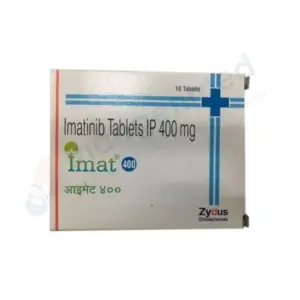
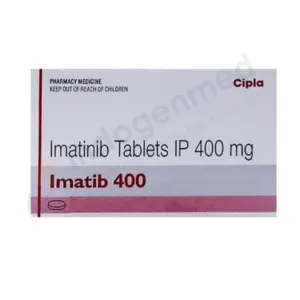
Imatinib is a medicine that helps treat certain types of cancer. It was approved by the FDA in 2001. Since then, it has become an important part of cancer treatment. Imatinib works by targeting specific proteins that drive abnormal cell growth. This makes it more precise than regular chemotherapy. It is especially useful for treating chronic myeloid leukemia (CML) and gastrointestinal stromal tumors (GIST). Both conditions involve problems with how cells grow and communicate. Imatinib blocks these signals, which helps stop cancer from spreading. Imatinib is also used for other conditions, like hypereosinophilic syndrome and dermatofibrosarcoma protuberans. It is sold under the brand name Gleevec by Novartis. Its generic version is more affordable, making it accessible to more people. This has made Imatinib a key treatment for cancer and blood disorders.
Mechanism of Action
Imatinib targets specific proteins that cause abnormal cell growth in certain cancers.
BCR-ABL protein
It occurs when two genes break and join together
Found in chronic myeloid leukemia (CML)
Causes cancer cells to grow uncontrollably
Imatinib binds to BCR-ABL and blocks its activity, halting signals that drive cancer cell proliferation.
KIT protein
Found in gastrointestinal stromal tumors (GIST)
Mutated KIT causes abnormal cell growth
Imatinib blocks KIT activity, preventing tumor growth and progression
This targeted action primarily targets cancer cells, leaving healthy cells less affected, resulting in fewer side effects than traditional chemotherapy. By addressing the root cause of these cancers, Imatinib improves survival rates and quality of life for patients.
FDA and EMA Approval
Imatinib was first approved by the FDA on May 10, 2001, marking a breakthrough in cancer treatment and the beginning of targeted therapies. It was initially approved for chronic myeloid leukemia (CML) and gastrointestinal stromal tumors (GIST). The European Medicines Agency approved Imatinib on November 7, 2001, confirming its global importance. The drug has transformed cancer care by effectively stopping cancer cell growth while causing fewer side effects than traditional treatments.
Imatinib Uses
Imatinib is prescribed to treat several cancers and related conditions.
Chronic Myeloid Leukemia (CML)
A blood cancer caused by the abnormal BCR-ABL protein
Gastrointestinal Stromal Tumors (GIST)
Rare tumors of the digestive system are often linked to a KIT mutation
Other Conditions
Hypereosinophilic syndrome
Dermatofibrosarcoma protuberans
Imatinib is mainly prescribed for adults but can also be used in children in some instances, especially for CML and GIST. In some situations, doctors may prescribe Imatinib for off-label uses involving other cancers or blood disorders.
Dosage and Administration
Imatinib is available in tablet and oral solution forms.
Common tablet strengths
100 mg
400 mg
Typical adult starting dose
400 mg once daily for CML and GIST
Administration Guidelines
Usually taken once daily
Doses may be divided into two smaller doses in some cases
Can be taken with or without food, but taking it with a meal helps reduce stomach upset
Take at the same time each day to maintain consistent drug levels in the body
Side Effects
Side effects vary from patient to patient.
Common Side Effects
Nausea and vomiting
Fatigue
Headache
Edema (swelling)
Rash
Muscle cramps
Severe Side Effects
Heart problems
Liver issues
Severe skin reactions
Bone marrow suppression
Drug Interactions and Lifestyle Factors
Imatinib can interact with other medicines and lifestyle factors.
CYP3A4 Inhibitors
Ketoconazole, itraconazole, ritonavir
May increase Imatinib levels and side effects
CYP3A4 Inducers
Rifampin, carbamazepine, phenytoin
May reduce Imatinib effectiveness
Anticoagulants
Interaction with warfarin may increase bleeding risk
Alcohol
Excessive use can worsen liver toxicity during Imatinib treatment