Written by Pranjal AroraMedical Content Reviewer
Medically reviewed by Renu Meena, B.Pharm (RSPC Reg. No. 55661)
On this page
Erectile Dysfunction: Causes, Symptoms, Diagnosis, and Treatment Options
Erectile dysfunction (ED) refers to the inability to attain or maintain an erection that is sufficient for satisfying sexual intercourse. It is one of the most common conditions affecting men’s sexual health worldwide. Occasional failures to develop an erection are normal and are sometimes caused by stress, fatigue, or drinking too much alcohol.
However, frequent erectile dysfunction episodes may indicate an underlying medical condition that needs to be examined and treated by a healthcare professional.
Previously referred to as impotence, erectile dysfunction is now regarded as a critical biomarker of general endothelial health and a predictor of cardiovascular function.
This paper discusses the physiological processes involved in erection, associated symptoms, diagnostic procedures, and main classes of medications available for treatment, as well as the drug safety guidelines and recommendations reviewed for each pharmaceutical category.
Key Facts at a Glance
Parameter
Clinical Profile
Typical Age Group
Men aged 40 and older (though increasingly diagnosed in men aged 18–39 due to psychogenic factors)
Gender Affected
Men
Primary Anatomical Region
Penile vascular endothelium, cavernous smooth muscle, and pudendal nerve pathways
Global Prevalence
Estimated between 20% and 50% depending on age group; progressive incidence with age
Erectile dysfunction (ED) is defined as the inability to achieve or maintain an erection that is firm enough for sexual intercourse. Occasional failure to perform is normal and is often related to stress, fatigue, or alcohol consumption.
However, if the condition becomes persistent or worse, it could be an indicator of a serious underlying disease.
Erectile dysfunction is not a disease; it is a set of symptoms that occur as a result of another condition. In order to achieve an erection, a penis requires a complex series of events that include hormones, nerves, and blood vessels.
The Physiological Mechanism of a Normal Erection
Under baseline non-aroused conditions, the smooth muscle tissue of the corpora cavernosa and the feeding helicine arteries maintain a tonic contraction, allowing only a limited amount of nutritional arterial blood flow. Sexual stimulation (in the form of sensory nerve pathways (visual, tactile, auditory, or olfactory) or psychogenic pathways (erotic thoughts and mental imagery)) sends signals to the central nervous system, which sends impulses to the sacral parasympathetic plexuses.
Non-adrenergic, non-cholinergic (NANC) nerve endings and healthy endothelial cells release nitric oxide (NO) directly into the lacunar spaces of the corpora cavernosa. Nitric oxide enters smooth muscle cells and activates the enzyme guanylyl cyclase, which catalyzes the conversion of guanosine triphosphate (GTP) into cyclic guanosine monophosphate (cGMP).
Increased levels of cGMP decrease intracellular calcium concentrations, leading to smooth muscle relaxation in the sinusoidal spaces and helicine arteries. Blood rushes into the expanding cavernosal sinusoids.
The sudden expansion of the sinusoidal spaces compresses the subtunical venular plexus against the rigid outer sheath of the tunica albuginea, trapping blood in the penis and causing penile rigidity to occur.
An enzyme called phosphodiesterase type 5 (PDE-5) metabolizes and degrades cGMP back to 5′-GMP. Once stimulation ceases, cGMP levels fall, arterial inflow decreases, the venules open, and the trapped blood exits the penis into the venous circulation, returning it to a flaccid state.
In erectile dysfunction, this sequence breaks down: the blood vessels fail to dilate, the nerves fail to signal, the tunica albuginea fails to compress the draining veins, or the psychological state blocks the initial neurochemical release.
Symptoms of Erectile Dysfunction
The classic presentation of ED is an inability to obtain or maintain an erection. However, recognizing the pattern and timing of symptoms can provide clinicians with valuable insight regarding whether the underlying cause is psychogenic (central origin) or organic (peripheral).
Symptoms of Psychogenic ED
Abrupt Onset: Usually develops quickly after an inciting event such as relationship and/or intimacy stressors, interpersonal conflicts, or a recent distressing episode.
Situational: There is an inability to achieve an erection with a sexual partner, but the ability to do so is maintained during masturbation or with another partner
Preservation of Nocturnal and Morning Erections: Patient is still able to achieve penile rigidity upon waking up from sleep (nocturnal penile tumescence)
Response to Oral Medications: Typically respond well to the standard oral PDE5 inhibitor medications, albeit with sometimes diminished response due to associated anxiety
Symptoms of Organic ED
Gradual Onset: The development of ED is slow and usually occurs over months or even years. It often manifests as diminished ability to achieve complete rigidity followed by an inability to maintain an erection
Uniform: The inability to achieve an erection is seen across all situations, including with partners, masturbation, and sexual fantasies
Loss of Nocturnal Erections: Absence of spontaneous penile tumescence during the night or upon waking up in the morning
Absence of Positional Erections: In patients with venous leak, erections can sometimes be achieved while standing, but they are quickly lost upon lying down or changing positions
Diminished Response to Oral Medications: Patients often have reduced response to standard PDE-5 inhibitors as the underlying pathology starts to affect blood flow and nerve function
Types and Underlying Causes of Erectile Dysfunction
Medical literature categorizes erectile dysfunction according to its primary pathophysiological driver. In many clinical presentations—particularly in aging men—the etiology is mixed.
┌───────────────────────────────┐
│ Erectile Dysfunction Etiology │
└───────────────┬───────────────┘
┌─────────────────────┼─────────────────────┐
▼ ▼ ▼
Vasculogenic Neurogenic Hormonal
(Arterial/Venous) (CNS/PNS Injury) (Low T / Endocrine)
Since penile arteries are only 1-2 mm in diameter (compared to 3-4 mm for coronary arteries and 5-7 mm for carotid arteries), vascular insufficiency may frequently present in the penile microvasculature long before it manifests as a myocardial infarction or cerebrovascular accident.
Arterial Insufficiency: Plaque formation within the arterial vessel walls impedes arterial inflow into the cavernous spaces. Common etiological factors include hypertension, hyperlipidemia, and heavy cigarette smoking.
Veno-Occlusive Dysfunction (Venous Leak Syndrome): Degeneration of fibroelastic elements within the tunica albuginea precludes mechanical compression of emissary veins. Although arterial inflow is normal, venous outflow occurs too readily to allow for penile rigidity.
2. Neurogenic Erectile Dysfunction
Disruption of the nerve pathways running from the brain through the spinal cord down to the pudendal and cavernous nerves impairs the transmission of nitric oxide to the erectile tissue.
Central Nervous System (CNS) Causes: Multiple sclerosis, Parkinson’s disease, cerebrovascular accidents (stroke), and traumatic spinal cord injuries.
Peripheral Nervous System (PNS) Causes: Diabetic autonomic neuropathy, alcohol-induced peripheral polyneuropathy, and pelvic nerve damage.
3. Hormonal / Endocrine Erectile Dysfunction
Hypogonadism: Low circulating free and total testosterone levels blunt central sexual arousal, dampen nocturnal erections, and impair the structural maintenance of cavernosal smooth muscle.
Hyperprolactinemia: Elevated pituitary prolactin levels suppress gonadotropin-releasing hormone (GnRH), reducing testosterone production and suppressing libido.
Thyroid Disorders: Both clinical hypothyroidism and hyperthyroidism disrupt the hypothalamic-pituitary-gonadal axis, leading to sexual dysfunction.
4. Psychogenic Erectile Dysfunction
Psychological tension activates the sympathetic nervous system (“fight-or-flight” response), triggering a release of adrenaline and noradrenaline. These catecholamines force the cavernous smooth muscle into persistent contraction, preventing arterial expansion:
Performance Anxiety: Apprehension over sexual adequacy or fear of premature loss of erection creates a self-fulfilling cycle of sympathetic arousal.
Affective Disorders: Major depressive disorder (MDD) and generalized anxiety disorders impair central dopaminergic pathways that regulate sexual reward and drive.
Medical procedures and prescription pharmaceuticals are major contributing factors to ED presentation:
Surgical Traumas: Radical prostatectomy, radical cystectomy, and abdominoperineal resection for colorectal cancer can damage the delicate neurovascular bundles along the capsule of the prostate.
Radiation Therapy: Pelvic radiation can lead to an insidious endarteritis obliterans, which can cause microvascular fibrosis within 12 to 24 months after treatment.
Pharmacological Causes: Commonly used medications that interfere with erectile mechanisms include:
Antiandrogens: 5-alpha reductase inhibitors (Finasteride, Dutasteride) used for benign prostatic hyperplasia (BPH) or androgenic alopecia.
6. Secondary and Anatomical ED
Peyronie’s Disease: Formation of dense fibrous plaque within the tunica albuginea, leading to painful, curved erections and mechanical veno-occlusive failure.
End-Stage Renal or Hepatic Disease: Metabolic toxicities and uremia impair testosterone synthesis and accelerate systemic endothelial inflammation.
Obstructive Sleep Apnea (OSA): Chronic nighttime hypoxemia disrupts the sleep architecture required for normal nocturnal erections and suppresses pituitary production of luteinizing hormone (LH).
Risk Factors for Erectile Dysfunction
Advanced Age: Normal age-related decline in cellular elastin, loss of smooth muscle cells, and higher rates of vascular sclerosis.
Metabolic Syndrome and Type 2 Diabetes: Hyperglycemia creates advanced glycation end-products (AGEs) that damage penile microvessels and nerves.
Tobacco Use: Nicotine acts as a potent acute vasoconstrictor and causes chronic arterial endothelial damage.
Alcohol Misuse: Chronic intake impairs central nervous system signaling, suppresses testosterone production, and induces peripheral nerve damage.
Visceral Obesity: Adipose tissue aromatizes circulating testosterone into estradiol, increasing inflammatory markers (IL-6, TNF-alpha) that impair vascular dilation.
How Is Erectile Dysfunction Diagnosed?
A thorough clinical evaluation identifies whether the symptom stems from simple situational stress or points to an undiagnosed medical condition, such as cardiovascular disease or type 2 diabetes.
The clinician typically uses validated psychometric questionnaires, most commonly the International Index of Erectile Function (IIEF-5) or the Sexual Health Inventory for Men (SHIM). These tools grade the severity of erectile difficulty, assess ejaculatory control, and evaluate overall sexual satisfaction.
Genital Examination: Palpation of the penile shaft to identify fibrous plaques (Peyronie’s disease), assessment of testicular size and consistency (small or soft testes may point to hypogonadism), and checking for anatomical abnormalities like phimosis.
Neurological Screening: Testing the bulbocavernosus reflex and assessing perineal sensation to confirm that the sacral reflex arc remains intact.
Specialized Diagnostic & Radiological Testing
Penile Duplex Doppler Ultrasound is a diagnostic procedure that is done after an intracavernosal injection of a vasodilator drug, such as alprostadil. The examination estimates the Peak Systolic Velocity (PSV) to determine if there is an arterial insufficiency of the penis, which is indicated by PSV below 30 cm/s. EDV is used to detect venous leaks, which are indicated by a velocity above 5 cm/s.
Nocturnal Penile Tumescence monitoring is another test for erectile dysfunction, which traditionally was done with the Rigiscan device during two or three consecutive nights. The number of spontaneous erection episodes during the deep sleep stage is registered to determine if the physical, vascular, and neural mechanisms are appropriate. Having three to six erections during the REM sleep stage indicates that the problem is psychogenic in origin.
Essential Laboratory and Hormonal Blood Panels
Total and Free Testosterone: Measured via an early-morning blood draw (typically between 7:00 AM and 10:00 AM) when diurnal androgen levels peak.
Fasting Lipid Profile: Evaluates total cholesterol, LDL, HDL, and triglycerides to detect underlying atherosclerosis.
Glycated Hemoglobin (HbA1c) & Fasting Plasma Glucose: Screens for prediabetes and type 2 diabetes mellitus.
Serum Prolactin, Luteinizing Hormone (LH), & Thyroid Panel (TSH): Evaluated if testosterone levels return low or if the patient reports low libido.
Serum Creatinine, eGFR, and Liver Function Tests (LFT): Evaluates kidney and liver clearance pathways to guide safe medication selection and dosing.
Treatment Approaches for Erectile Dysfunction
Modern erectile dysfunction therapies follow a stepped-care model, starting with lifestyle adjustments and non-invasive oral treatments before considering localized injections or surgical options.
Phosphodiesterase type 5 (PDE5) inhibitors are the medications that are indicated as the first-line treatment for erectile dysfunction.
Those drugs are peripherally acting and, by inhibiting the enzyme PDE5, increase the intracellular level of cyclic GMP, leading to smooth muscle relaxation and enhanced inflow of blood into the corpora cavernosa.
The drug does not induce erection on its own but rather facilitates the natural response to sexual stimulation by relaxing the smooth muscles of the penile arteries.
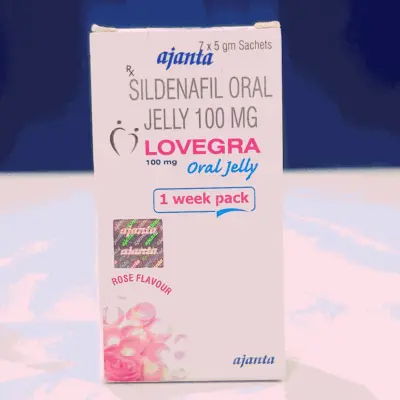
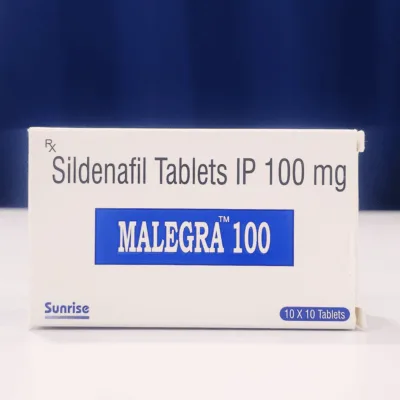
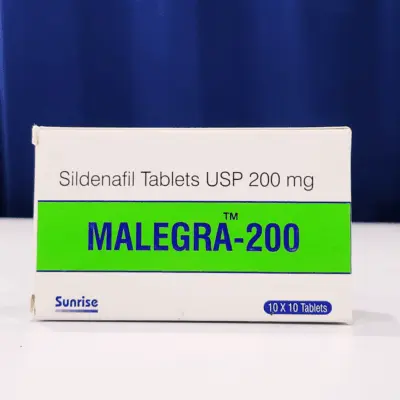
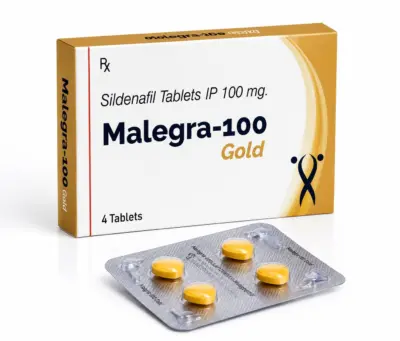
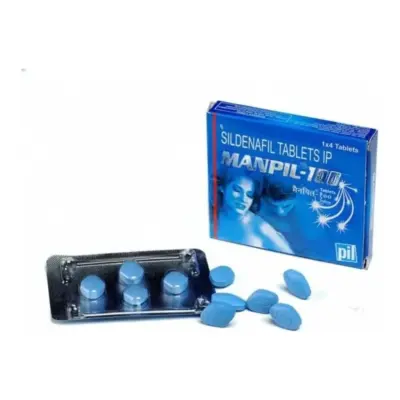
Sildenafil: The first oral PDE5 inhibitor. Effective within 30 to 60 minutes, with an active duration of 4 to 6 hours. High-fat meals slow its absorption.
Tadalafil: Known for an extended half-life of roughly 17.5 hours, providing a clinical window of up to 36 hours (“the weekend pill”). Can be taken on-demand or as a daily low-dose regimen (2.5 mg to 5 mg), and is also FDA-approved to treat concurrent Benign Prostatic Hyperplasia (BPH). Absorption is unaffected by food.
Vardenafil: Structurally similar to sildenafil with a similar 4 to 5 hour window of efficacy. Available in coated tablets and rapidly dissolving orodispersible formulations.
Avanafil: A newer, highly selective second-generation PDE-5 inhibitor. Reaches peak plasma concentration within 15 to 30 minutes, offering a faster onset of action.
For patients who cannot take oral medications or do not respond to them, localized treatments provide a direct, reliable alternative:
Intracavernosal Injections (Alprostadil / Trimix / Bimix): The patient uses a fine-gauge needle to inject vasodilators directly into the lateral aspect of the penile shaft. This stimulates cyclic AMP (cAMP) production, inducing an erection within 5 to 15 minutes independent of central sexual arousal.
Intraurethral Suppositories (MUSE): A small pellet of alprostadil is inserted directly into the urethral meatus using a specialized applicator. The medication is absorbed through the urethral mucosa into the nearby erectile tissue.
3. Vacuum-Assisted Erection Devices (VED)
A clear plastic cylinder is placed over the penis and pressed against the body to create an airtight seal. A manual or electric pump removes air from the cylinder, drawing blood into the corpora cavernosa via negative atmospheric pressure. Once the penis is rigid, an elastic tension ring is slipped off the base of the cylinder onto the base of the penis to prevent venous drainage. The constriction ring must be removed within 30 minutes to prevent tissue hypoxia.
4. Surgical Interventions: Penile Implants & Vascular Surgery
Inflatable Penile Prosthesis (IPP): Considered the gold-standard final treatment for treatment-resistant organic ED. A three-piece system involves two fluid cylinders surgically implanted into the corpora cavernosa, a fluid reservoir placed in the lower abdomen, and a small pump concealed within the scrotum. Squeezing the scrotal pump moves saline into the cylinders to produce a firm, natural-feeling erection. Reversing the valve drains the fluid back into the reservoir, returning the penis to a flaccid state.
Malleable (Semi-Rigid) Implants: Two bendable silicone rods are surgically implanted within the penile shafts. The patient manually positions the penis upward for intercourse and downward for concealment.
Penile Revascularization Surgery: Reserved for young men with isolated, focal arterial blockages resulting from pelvic or perineal trauma, with no evidence of systemic vascular disease.
5. Psychosexual Therapy and Cognitive Behavioral Therapy (CBT)
For patients with psychogenic ED or secondary performance anxiety, medication alone is often insufficient. Working with a qualified sex therapist or psychologist helps identify psychological triggers, reduce performance pressure, and address relationship dynamics. Cognitive behavioral exercises—such as sensate focus techniques—help couples reconnect physically without the immediate expectation of penetrative intercourse.
Exploring Medications in This Category
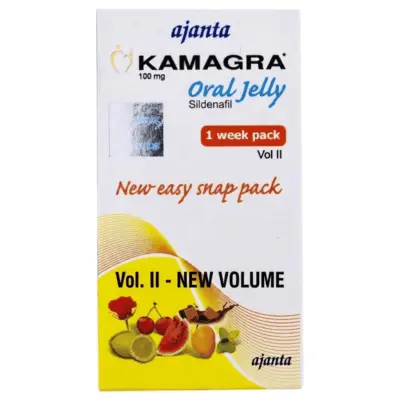
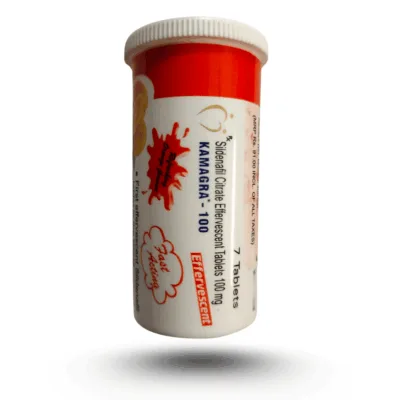
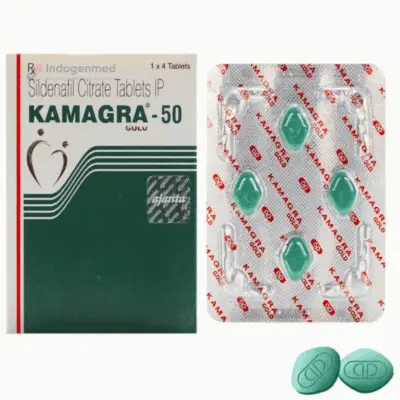
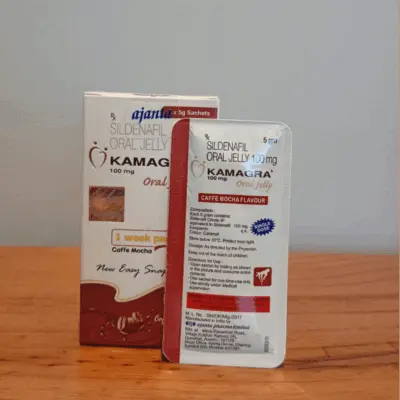
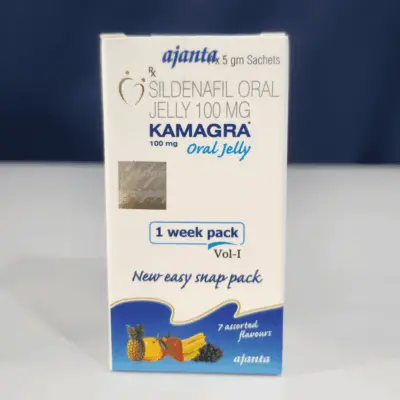
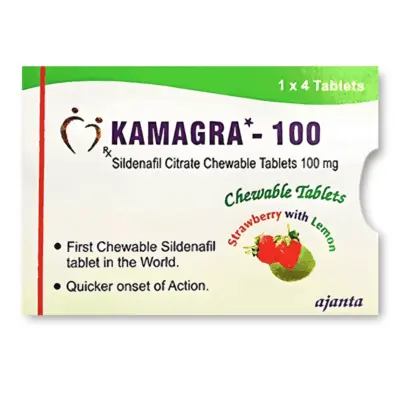
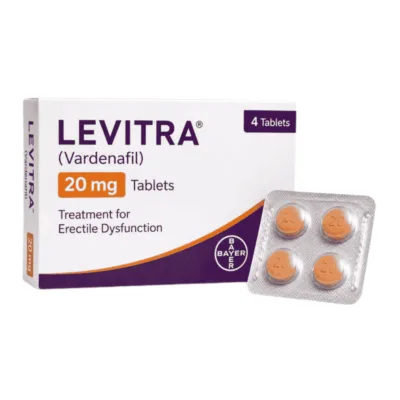
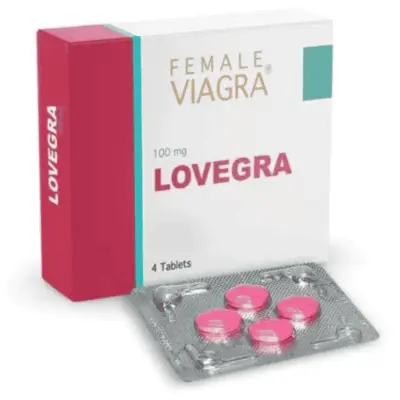
The products in this category consist primarily of prescription-grade PDE-5 inhibitors, combination formulations, and complementary therapies designed to treat male sexual dysfunction.
Comparative Overview of PDE5 Inhibitors
Active Drug
Standard Dosing
Onset of Action
Duration of Effect
Impact of Food
Primary Indication
Sildenafil
25 mg, 50 mg, 100 mg
30–60 mins
4–6 hours
High-fat meals delay absorption
Flexible, on-demand use
Tadalafil
2.5 mg, 5 mg (daily); 10 mg, 20 mg (on-demand)
30–45 mins
Up to 36 hours
None
On-demand or continuous daily coverage; concurrent BPH
Vardenafil
5 mg, 10 mg, 20 mg
30–60 mins
4–5 hours
Modest delay with high-fat meals
On-demand use; also available as an orodispersible tablet
Avanafil
50 mg, 100 mg, 200 mg
15–30 mins
6+ hours
Minimal
Rapid on-demand use with lower incidence of visual disturbances
Role of Associated Treatments: Premature Ejaculation Formulations
Erectile dysfunction and premature ejaculation frequently occur together. Men with early erectile failure often rush intercourse to ejaculate before losing rigidity, which can reinforce a habit of premature climax. Conversely, severe anxiety surrounding rapid ejaculation can trigger secondary ED.
This category page includes products specifically formulated to address both concerns:
Topical Anesthetic Agents (Lidocaine / Prilocaine Sprays & Creams): Applied to the glans penis 10 to 15 minutes before intercourse to slightly reduce tactile sensitivity without blunting overall sensation, helping to extend latency time.
Short-Acting SSRIs (Dapoxetine): Taken on-demand 1 to 3 hours prior to sexual activity. Dapoxetine inhibits the serotonin transporter, increasing serotonin activity at post-synaptic receptors to delay the ejaculatory reflex.
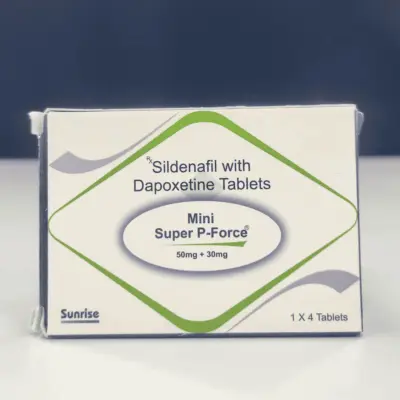
Fixed-Dose Combinations: Certain prescription tablets combine a PDE-5 inhibitor with dapoxetine (e.g., Sildenafil + Dapoxetine) to simultaneously address erection firmness and ejaculatory control under direct medical supervision.
How to Take ED Medications Safely
Timing: Take on-demand medications (sildenafil, vardenafil) about 45-60 minutes before you are planning to have sex. With avanafil, it is recommended to take the drug 15-30 minutes before intercourse. If you are on a daily medication (tadalafil), try to take the daily dose at the same time each day regardless of sexual activity.
Dietary factors: When using sildenafil or vardenafil, it is better to avoid fatty meals (fried food, burgers, steak, etc.) because they slow digestion and, as a result, Viagra can take longer to start working (up to an hour or more).
Grapefruit: Do not eat grapefruit or drink grapefruit juice when taking PDE5 inhibitors since grapefruit contains a chemical that inhibits the enzyme CYP3A4 in the intestines. This enzyme normally decreases the amount of PDE5 inhibitors in the body by breaking them down, so when you eat grapefruit with sildenafil, the concentration of the drug in your blood can increase to dangerous levels.
Alcohol: It is better to avoid excessive amounts of alcohol since it can both interfere with the proper functioning of PDE5 inhibitors and cause a sudden drop in blood pressure. Also, alcohol suppresses the central nervous system; therefore, combining it with PDE5 inhibitors can be dangerous.
Proper psychological attitude: An erection will not naturally appear right after you swallow the medication. Sex hormones in your body need to be stimulated somehow (either through sight, touch, or other means). Many men make the mistake of trying to have sex too soon after taking PDE5 inhibitors, without allowing themselves time to relax and let the drug take effect.
Side Effects, Safety Warnings, and Severe Adverse Reactions
While PDE-5 inhibitors are well-tolerated by most men, their systemic vasodilatory effects can cause predictable adverse reactions.
Cephalea (Headaches) & Flushing: Triggered by general vasodilation of cranial and cutaneous blood vessels.
Dyspepsia & Gastroesophageal Reflux: Relaxation of the lower esophageal sphincter smooth muscle allows stomach acid to irritate the esophagus.
Nasal Congestion: Vasodilation within the vascular beds of the nasal mucosa.
Myalgia and Back Pain: Most common with tadalafil due to modest cross-reactivity with the PDE-11 enzyme found in skeletal muscle tissue.
Chromatopsia / Cyanopsia: A mild, temporary bluish tint to vision, most often associated with higher doses of sildenafil due to mild cross-inhibition of retinal PDE-6.
Critical Medical Emergencies
Priapism: A sustained, rigid erection lasting longer than 4 hours in the absence of ongoing arousal. This is a medical emergency: trapped, deoxygenated blood within the corpora cavernosa can cause irreversible tissue acidosis, ischemic necrosis, and permanent erectile fibrosis if not relieved with aspiration or intracavernosal phenylephrine.
Non-Arteritic Anterior Ischemic Optic Neuropathy (NAION): A sudden, painless loss of vision in one or both eyes resulting from reduced blood flow to the optic nerve. Any sudden visual disturbance requires immediate medication cessation and urgent ophthalmologic evaluation.
Sudden Sensorineural Hearing Loss (SSHL): Rare reports of sudden hearing reduction, often accompanied by tinnitus and dizziness.
Drug Interactions and Absolute Contraindications
Because PDE-5 inhibitors promote vasodilation through the nitric oxide pathway, combining them with certain other medications can cause dangerous complications:
[NITRATE MEDICATIONS (Nitroglycerin, Isosorbide)]
+
[PDE-5 INHIBITORS (Sildenafil, Tadalafil)]
│
▼
DANGEROUS ENHANCEMENT OF cGMP
│
▼
[SEVERE, POTENTIALLY FATAL SYSTEMIC HYPOTENSION]
1. Organic Nitrates (Absolute Contraindication)
Avoid giving PDE-5 inhibitors with any prescription nitrates; this includes sublingual nitroglycerin sprays and tablets, isosorbide dinitrate, isosorbide mononitrate, or recreational volatile (i.e., poppers, amyl nitrite) nitrites. The combination may cause potentially life-threatening decreases in blood pressure due to synergistic accumulation of cGMP leading to cardiovascular collapse, myocardial infarction or stroke.
Safety window: Sildenafil, vardenafil and avanafil should not be administered within 24 hours of any nitrate. Tadalafil has a longer half-life and should not be given less than 48 hours after a nitrate.
2. Alpha-Adrenergic Blockers
Drugs such as tamsulosin, doxazosin, or alfuzosin, which are often used to treat benign prostatic hyperplasia or hypertension, cause vasodilation. The combination of PDE5 inhibitors and alpha blockers can lead to orthostatic hypotension, dizziness, and fainting. It is recommended that patients be on a stable dose of an alpha blocker and that they start taking a PDE-5 inhibitor at the lowest possible dose.
3. Strong CYP3A4 Inhibitors
Antifungal medications (ketoconazole, itraconazole), macrolide antibiotics (clarithromycin, erythromycin), and HIV protease inhibitors (ritonavir) inhibit the CYP3A4 hepatic pathway, significantly increasing circulating levels of PDE-5 inhibitors.
Which Doctor Should You Consult?
If you experience ongoing erectile difficulties, a professional medical evaluation will help pinpoint the underlying cause and determine a safe treatment plan:
General Practitioner (GP) / Family Physician: An ideal starting point to screen for underlying diabetes, hypertension, dyslipidemia, or medication-induced side effects.
Urologist: A surgical and medical specialist focused on the urinary tract and male reproductive system. Urologists manage advanced diagnostics, evaluate complex conditions like Peyronie’s disease, and provide therapies like injections, vacuum devices, and penile implants.
Andrologist: A subspecialized urologist dedicated specifically to male sexual and reproductive medicine, endocrine imbalances, and complex microvascular conditions.
Psychiatrist or Certified Sex Therapist: Recommended when performance anxiety, relationship difficulties, clinical depression, or past trauma are central contributors to sexual dysfunction.
Prevention and Home Care Strategies
While medical therapies effectively manage symptoms, foundational lifestyle habits play a major role in preserving natural erectile mechanics and endothelial function:
Aerobic Cardiovascular Exercise: Engaging in 150 minutes of moderate-intensity exercise (such as brisk walking, cycling, or swimming) weekly promotes vascular remodeling, elevates endothelial nitric oxide production, and helps offset arterial stiffening.
Pelvic Floor Muscle Training (Kegel Exercises): Targeted strengthening of the ischiocavernosus and bulbocavernosus muscles helps improve rigid support and enhances the mechanical compression of draining penile veins.
Cardioprotective Dietary Habits: Diets centered on fresh vegetables, berries, legumes, whole grains, nuts, and lean proteins (similar to the Mediterranean diet pattern) are clinically linked to lower rates of erectile dysfunction.
Smoking Cessation: Halting tobacco and nicotine use helps reverse acute microvascular vasoconstriction and halts the progression of permanent endothelial damage.
Restful Sleep Hygiene: Ensuring 7 to 8 hours of uninterrupted sleep supports natural nighttime testosterone production and preserves normal REM-associated nocturnal erections.
Frequently Asked Questions
What is the most common cause of erectile dysfunction?
In men over 40, vascular disease is most common (atherosclerosis and endothelial dysfunction), often as a consequence of hypertension, high cholesterol, or diabetes. In men under 35, psychogenic disorders are more common – anxiety about performance, stress, depression, or relationship problems.
Can erectile dysfunction be cured permanently?
It depends on the cause. If it is psychogenic, then it can be completely cured with psychotherapy and sex therapy. The same goes for diseases caused by lifestyle or hormonal problems – if the underlying cause is eliminated, erectile dysfunction can be cured. Only neurogenic and vascular erectile dysfunction are chronic, but they can be cured with the right treatment.
How quickly does sildenafil work compared to tadalafil?
Viagra acts for about 4-6 hours – faster than the average of 3 hours for Cialis. The effect of Cialis can last up to 36 hours, while Viagra – 4-6. Viagra should be taken on an empty stomach, as fatty foods slow down the absorption of the drug. Cialis is absorbed equally well in both fasting and fed states.
What is the difference between erectile dysfunction and premature ejaculation?
Erectile dysfunction is the inability to achieve or maintain an erection firm enough for intercourse. With premature ejaculation, a man cannot control the timing of ejaculation – it comes too soon during intercourse, within a few minutes after penetration. The two conditions often occur together, as does anxiety about ejaculating prematurely, which can cause erectile dysfunction and vice versa.
Is erectile dysfunction an early warning sign of heart problems?
Erectile dysfunction can be an indicator of vascular problems. The arteries in the penis are much narrower than those in the heart, so one of the first signs of vascular diseases may be difficulty maintaining an erection. Narrowing and blockage of arteries in the heart can lead to angina pectoris or a heart attack. Men who have developed organic erectile dysfunction should consult a doctor to check their cardiovascular system.
What happens if a diabetes patient develops ED?
Diabetes can lead to destruction of microvascular blood vessels and nerves through diabetic neuropathy and endothelial inflammation. Treatment typically comprises optimizing blood sugar levels and the concurrent prescription of PDE-5 inhibitors. In the event that oral medications are not successful in treating nerve damage, therapies such as vacuum devices, injections, or penile implants are often successful.
What is priapism and what should I do if it happens?
Priapism is an erection lasting longer than 4 hours that does not respond to tactile stimulation. It is a medical emergency resulting from blood becoming trapped in the erectile chambers. If your erection persists beyond four hours, you must visit the nearest emergency room. Prompt treatment prevents tissue injury and fibrosis which can lead to permanent loss of erectile function.
Can I drink alcohol while taking medicines for erectile dysfunction?
Drinking small amounts of alcohol (such as one glass of wine or beer) is generally safe. Moderate to heavy drinking, however, suppresses the central nervous system and impairs the ability to achieve an erection regardless of medication. Alcohol also causes systemic vasodilation, increasing the risk of side effects and causing hypotension and fainting when taken with PDE5 inhibitors.
Why do some men fail to respond to their first dose of an ED tablet?
It often takes several doses for PDE5 inhibitors to be successfully metabolized or assimilated in the body. Failure of the first dose occurs when the medication is taken immediately after a heavy meal or without adequate time for absorption, there is no sexual stimulation, or there is psychological performance anxiety. Most doctors will recommend trying an ED medication on at least 4 to 6 separate occasions with adequate sexual stimulation before determining that it is ineffective and a dose adjustment or alternative treatment is required.
Do erectile dysfunction pills increase sexual desire?
No. PDE-5 inhibitors work strictly on the physical vascular mechanics of an erection by increasing blood flow to the penis. They do not act as aphrodisiacs, do not increase libido, and do not alter testosterone levels. If low sexual desire is the primary concern, a doctor will typically evaluate hormonal levels, psychological factors, and other underlying health conditions.
We use cookies that are needed to run the shop, and — only if you agree — cookies that help us measure how the site is used. Nothing non-essential runs until you choose.
Privacy policy