
Description
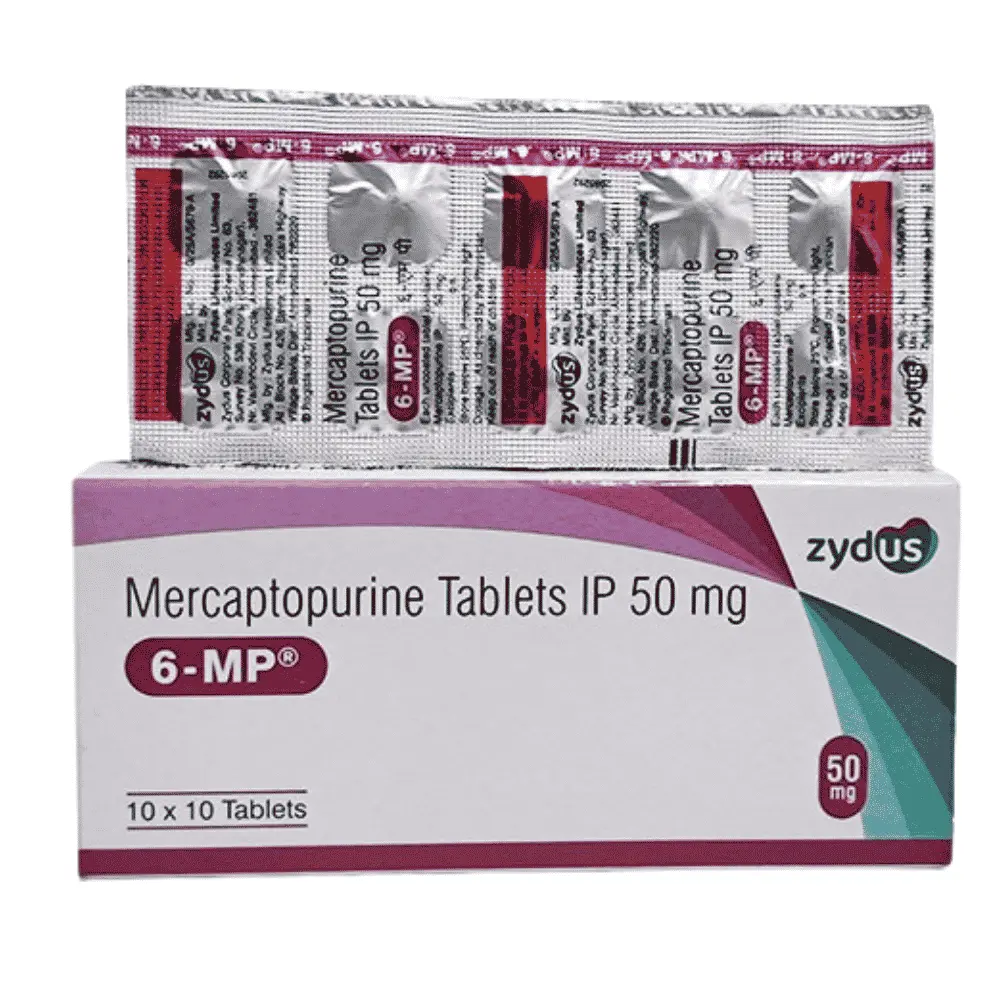
Comprehensive Guide to 6-MP 50mg Tablet (Mercaptopurine)
6-MP 50mg Tablet is an anti-cancer medication classified under purine antagonists (a type of antimetabolite chemotherapy). Containing the active chemical compound mercaptopurine, this drug plays a key role in oncology, particularly in the maintenance treatment of blood disorders like acute lymphoblastic leukemia (ALL).
By acting as a decoy for naturally occurring purines, 6-MP blocks cancer cells from building and repairing their genetic material, preventing uncontrolled cell division.
What is 6-MP 50mg and How Does it Work?
Acute lymphoblastic leukemia (ALL) is a fast-growing cancer of the blood and bone marrow. It occurs when the body overproduces immature white blood cells known as lymphoblasts. These abnormal cells accumulate rapidly, crowding out healthy blood cells (red cells, white cells, and platelets) and compromising the body’s immune and circulatory systems.
Mechanism of Action
Mercaptopurine functions as a false building block for nucleic acids:
-
Purine Antagonism: Cancer cells need purines (adenine and guanine) to construct DNA and RNA. Mercaptopurine mimics these natural building blocks.
-
Inhibition of Synthesis: Once inside the cell, it converts into active thioguanine nucleotides (TGNs). These metabolites inhibit key steps in de novo purine synthesis.
-
DNA Structure Interruption: TGNs insert themselves directly into the DNA and RNA strands of rapidly dividing leukemic cells. This triggers strand breaks, disrupts cell division, and induces programmed cell death (apoptosis).
Because leukemic lymphoblasts rely heavily on de novo purine pathways, 6-MP selectively targets these malignant cells while sparing slower-dividing tissue.
Primary Uses & Therapeutic Indications
-
Acute Lymphoblastic Leukemia (ALL): Used during the maintenance phase of chemotherapy regimens for both pediatric and adult patients to prevent disease relapse and maintain long-term remission.
-
Off-Label Indications (Under Specialist Guidance): Occasionally prescribed in lower doses for autoimmune or inflammatory bowel conditions, such as Crohn’s disease and ulcerative colitis, due to its immunosuppressive properties.
Administration and Dosing Guidelines
6-MP must be taken under the supervision of a hematologist or oncologist. The standard pediatric and adult dose usually ranges from 1.5 to 2.5 mg per kilogram of body weight once daily, adjusted based on complete blood counts and individual patient tolerance.
Key Rules for Taking 6-MP 50mg:
-
Timing with Dairy: Do not take 6-MP with milk or dairy products. Dairy contains an enzyme called xanthine oxidase, which can break down mercaptopurine in the digestive tract and significantly reduce the amount of medicine your body absorbs. Take the tablet at least 1 hour before or 2 hours after consuming milk or dairy items.
-
Consistency is Essential: Take your dose at the same time every day, either consistently on an empty stomach or consistently with non-dairy food.
-
Swallow Whole: Do not chew, crush, or break the tablet. Swallow it whole with a glass of water.
-
Missed Dose: If you miss a dose, skip it and continue with your regular schedule the next day. Never take a double dose to make up for a missed one.
Safety Profile & Special Warnings
Vaccine Precautions
-
Live Vaccines (Contraindicated): Do not receive live attenuated vaccines—such as yellow fever, MMR (measles, mumps, rubella), rotavirus, or oral polio—while on 6-MP therapy, and for at least 2 to 3 months after stopping. Because 6-MP suppresses your immune system, live vaccines can cause serious, life-threatening infections.
-
Yellow Fever Vaccine: Strictly contraindicated; co-administration can cause severe systemic reactions.
Genetic Enzyme Variants (TPMT and NUDT15)
The body breaks down mercaptopurine using enzymes like thiopurine S-methyltransferase (TPMT) and NUDT15.
-
Patients with inherited deficiency or low activity in these enzymes break down 6-MP much more slowly.
-
This can lead to severe, life-threatening bone marrow toxicity.
-
Oncologists often run a quick genetic blood test prior to treatment to customize the dose safely.
Lactose Intolerance
6-MP tablets contain lactose as an inactive binder. Patients with severe lactose intolerance, severe lactase deficiency, or glucose-galactose malabsorption should inform their doctor before starting therapy.
Potential Side Effects & Management
Like most chemotherapy drugs, 6-MP can cause side effects. Regular blood monitoring helps catch and handle these early.
Common Side Effects
-
Mild nausea, vomiting, or loss of appetite
-
Mild skin rash or darkening of the skin
-
Increased sensitivity to sunlight (photosensitivity)
-
Temporary hair thinning
-
Low blood sugar (hypoglycemia), particularly in children under 6 years old or those with a low body mass index (BMI)
Serious Side Effects (Require Immediate Medical Attention)
-
Bone Marrow Suppression (Myelosuppression): Significant drops in white blood cells (increasing infection risk), red blood cells (causing severe anemia and weakness), or platelets (leading to unusual bruising, nosebleeds, or bleeding gums).
-
Hepatotoxicity (Liver Damage): Signs include yellowing of the skin or eyes (jaundice), dark brown urine, severe fatigue, or abdominal swelling/pain in the upper right side.
-
Severe Hypersensitivity / Pancreatitis: Sudden severe stomach pain radiating to the back, fever, or severe rash require immediate discontinuation of the drug.
Crucial Health Parameters to Monitor
Because 6-MP has a narrow therapeutic window, your medical team will run routine laboratory checks throughout your treatment:
| Test | Monitoring Frequency | Why It Is Necessary |
| Complete Blood Count (CBC) | Weekly initially, then every 2 to 4 weeks | Evaluates white blood cells, red cells, and platelets to prevent extreme bone marrow suppression. |
| Liver Function Tests (LFTs) | Every 2 weeks during early treatment, then monthly | Tracks liver enzymes (ALT, AST) and bilirubin to spot hepatotoxicity early. |
| Serum Uric Acid Levels | Periodic checks | Rapid breakdown of tumor cells can raise uric acid, which can strain or damage the kidneys. |
| Blood Glucose & Electrolytes | Periodic (especially in young children) | Monitors for therapy-induced low blood sugar or metabolic shifts. |
Drug & Substance Interactions
-
Allopurinol & Febuxostat (Gout Medications): Allopurinol blocks xanthine oxidase, the enzyme that breaks down 6-MP. Taking them together causes 6-MP levels in the body to skyrocket, leading to severe toxicity. If allopurinol must be used, the 6-MP dose is usually reduced to 25% of the standard dose.
-
Blood Thinners (Warfarin): 6-MP can decrease the blood-thinning effect of warfarin, requiring more frequent clotting time checks (INR).
-
Aminosalicylates (Mesalamine, Sulfasalazine): Often used in ulcerative colitis, these can inhibit the TPMT enzyme and increase 6-MP toxicity risks.
-
Alcohol: Avoid alcohol during treatment. Combining alcohol with 6-MP significantly increases the risk of liver damage.
Special Population Safety Checklist
-
Pregnancy (Unsafe): 6-MP can cause fetal harm when taken by a pregnant woman. Men and women of childbearing potential should use effective birth control during treatment and for several months after the final dose (typically 6 months for females, 3 months for males).
-
Breastfeeding (Unsafe): Mercaptopurine passes into breast milk and can cause severe harm to an infant. Breastfeeding is not recommended during therapy.
-
Driving & Operating Machinery: 6-MP can cause dizziness, disorientation, or severe fatigue. Avoid driving or operating machinery until you know how the medication affects you.
-
Sun Protection: 6-MP makes your skin more sensitive to UV light. Limit exposure to direct sunlight, wear protective clothing, and use a high-SPF, broad-spectrum sunscreen.
Frequently Asked Questions (FAQs)
Q1: What should I do if my child experiences low blood sugar symptoms while on 6-MP?
Children—especially those under age 6—taking 6-MP are more prone to hypoglycemia. Symptoms include sudden cold sweats, shakiness, dizziness, confusion, or unusual irritability. If these occur, give them a fast-acting sugar source (like fruit juice or glucose tablets) and inform your pediatric oncologist right away.
Q2: Can I take 6-MP at night?
Yes. Many oncologists recommend taking 6-MP in the evening or before bedtime. This can help reduce daytime nausea and may improve how the drug is processed by the body.
Q3: What happens if I accidentally take 6-MP with milk?
A single accidental dose with milk will not cause immediate harm, but it may temporarily lessen the amount of medication your body absorbs. Simply resume your normal schedule with your next dose, making sure to keep it isolated from dairy products.
Medical Disclaimer
This content is intended solely for educational purposes and should not replace professional medical advice, diagnosis, or treatment. Always consult a qualified oncologist or hematologist before starting, stopping, or altering any medication schedule.
References
-
National Center for Biotechnology Information (NCBI):
-
StatPearls Review: Mercaptopurine Clinical & Pharmacological Profile. https://www.ncbi.nlm.nih.gov/books/NBK557620/
-
PMC Maintenance Therapy Study: Maintenance therapy for acute lymphoblastic leukemia. https://pmc.ncbi.nlm.nih.gov/articles/PMC9252897/
-
-
MedlinePlus Drug Information (US National Library of Medicine):
-
Mercaptopurine Monograph. https://medlineplus.gov/druginfo/meds/a682653.html
-
-
U.S. Food and Drug Administration (FDA):
-
Purinethol (mercaptopurine) Prescribing Information. https://www.accessdata.fda.gov/drugsatfda_docs/label/2011/009053s032lbl.pdf
-
-
Electronic Medicines Compendium (EMC):
-
Mercaptopurine 50mg Tablets Summary of Product Characteristics. https://www.medicines.org.uk/emc/files/pil.4655.pdf
-

Edward Charles –
Review from OpenCart migration