Description
What is Ferium 100+350 Mg Tablets?
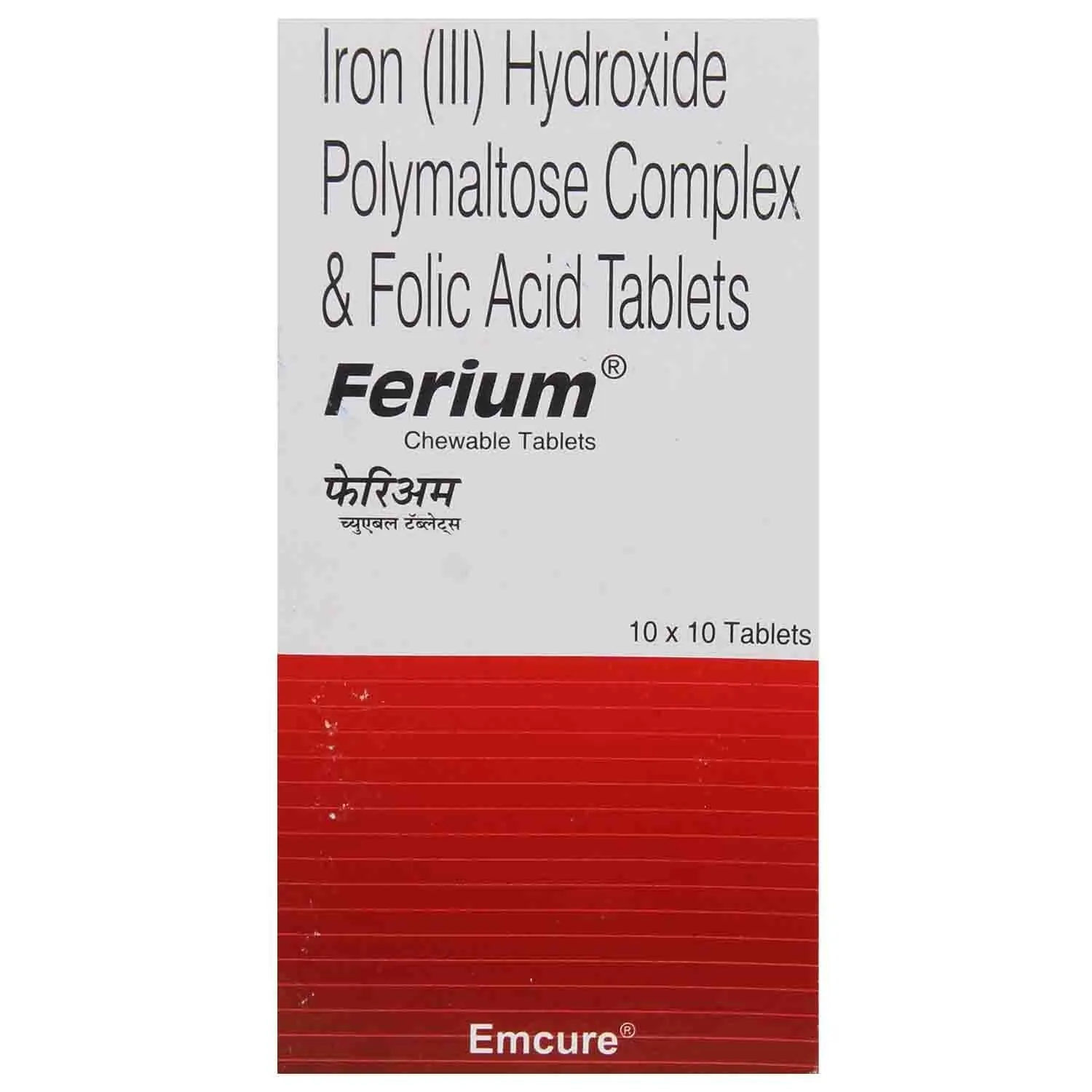
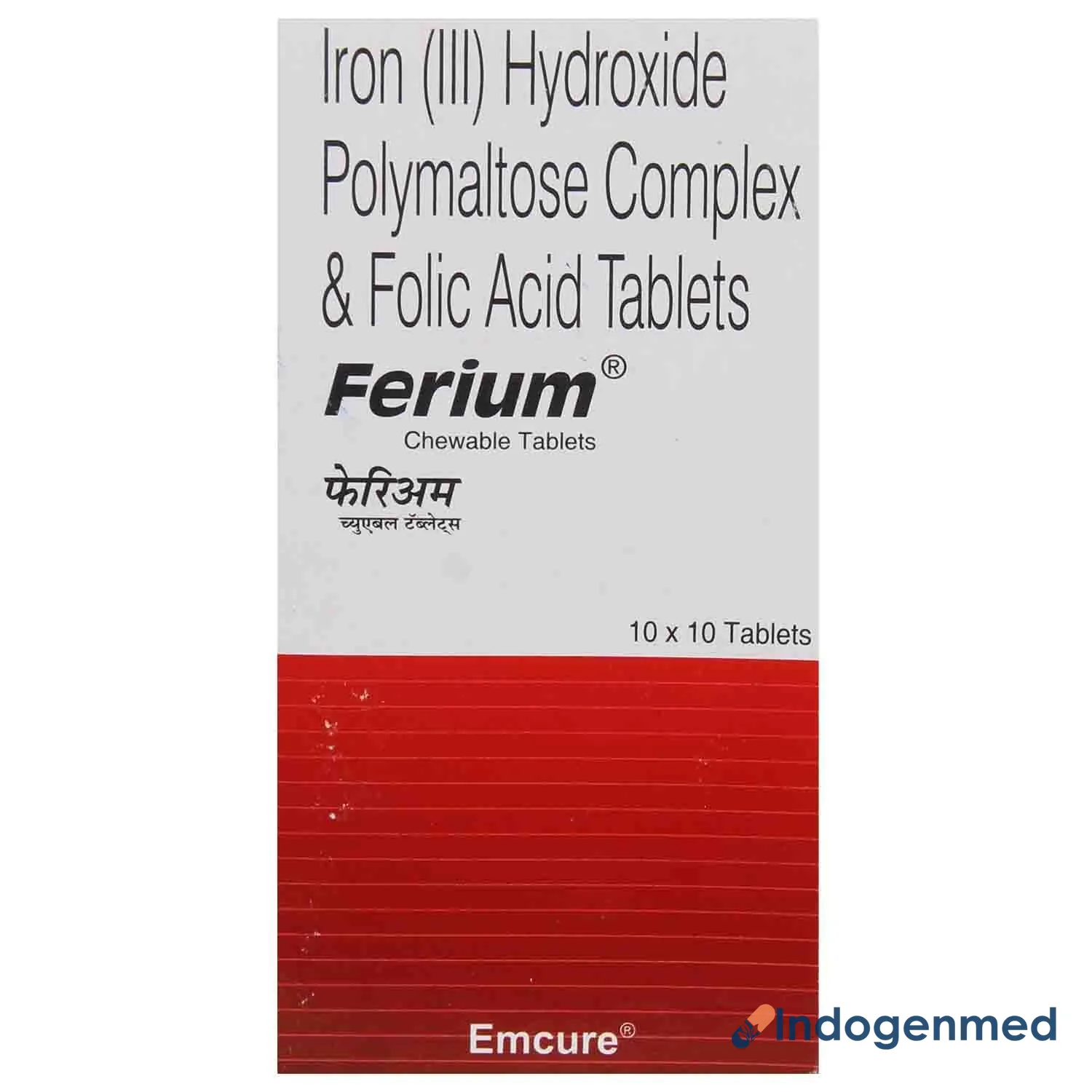
Ferium 100+350 Mg Tablets is an iron supplement used for the treatment and prevention of iron deficiency anaemia. Each tablet contains Ferrous Ascorbate 350 mg, which is the pharmaceutical form of ferrous iron complexed with ascorbic acid (Vitamin C). The “100+350” designation refers to the 100 mg of elemental iron provided by the 350 mg of ferrous ascorbate complex.
Ferrous ascorbate is a highly bioavailable form of oral iron with important advantages over conventional iron salts: the ascorbic acid (vitamin C) component maintains iron in its ferrous (Fe²⁺) form — the directly absorbable form — throughout digestion, maximising intestinal absorption. This molecular combination generally produces fewer gastrointestinal side effects than ferrous sulphate while delivering equivalent or superior amounts of elemental iron.
Ferium 100+350 Mg Tablets are used to treat iron deficiency anaemia in adults, and to prevent iron deficiency in groups with increased iron requirements, including women of reproductive age, pregnant and breastfeeding women, adolescent girls, and others with chronic iron loss. They are manufactured by Emcure Pharmaceuticals Ltd., one of India’s leading pharmaceutical companies. Each strip contains 10 tablets.
Prescription only (Rx). Use only as directed by your doctor.
Composition
| Component | Detail |
|---|---|
| Active ingredient | Ferrous Ascorbate 350 mg (providing 100 mg elemental iron) |
| Drug class | Iron supplement / haematinic |
| Formulation | Oral tablet |
| Pack size | 10 tablets per strip |
| Manufacturer | Emcure Pharmaceuticals Ltd., India |
| Medicine type | Generic (Rx — prescription required) |
About Emcure Pharmaceuticals Ltd.
Emcure Pharmaceuticals Ltd. is one of India’s fastest-growing pharmaceutical companies, headquartered in Pune, Maharashtra. Founded in 1981, Emcure has a strong presence in women’s health, haematology, cardiovascular, anti-infective, and oncology therapy areas. The company manufactures and distributes medicines across more than 70 countries, with manufacturing facilities approved by international regulatory authorities including the US FDA and the European Medicines Agency (EMA). Emcure’s women’s health and haematology portfolio — which includes ferrous ascorbate formulations under the Ferium brand — is among the most widely prescribed in India.
Understanding Iron Deficiency and Anaemia
Iron deficiency is the most common nutritional deficiency worldwide and the leading cause of anaemia globally. Iron is an essential mineral: the body cannot synthesise it and must obtain it through diet or supplements. The total body iron in an adult is approximately 3–5 grams; about 70% is incorporated into haemoglobin in red blood cells, where it is critical for oxygen transport.
Iron deficiency anaemia (IDA) develops in stages:
- Iron depletion: Body iron stores (in the form of ferritin in liver, bone marrow, and spleen) are progressively reduced, but haemoglobin levels remain normal.
- Iron-deficient erythropoiesis: Iron stores are exhausted; red blood cell production begins to be impaired, though haemoglobin may still be near-normal.
- Iron deficiency anaemia: Haemoglobin falls below the normal threshold; red blood cells become small (microcytic) and pale (hypochromic). Symptoms of anaemia appear.
Common causes of iron deficiency include: inadequate dietary intake, increased physiological requirements (pregnancy, growth, breastfeeding), chronic blood loss (heavy menstruation, gastrointestinal bleeding from ulcers/polyps/cancer), poor iron absorption (coeliac disease, post-gastric surgery, achlorhydria), and repeated blood donation.
How Ferrous Ascorbate Works
Ferrous Ascorbate is a chelated complex of iron in its ferrous (Fe²⁺) form with ascorbic acid (Vitamin C). Its mechanism of action in correcting iron deficiency involves:
- Absorption of ferrous iron: Dietary iron must be in the ferrous (Fe²⁺) state to be absorbed through the intestinal mucosa via the DMT-1 (divalent metal transporter 1) transporter in the duodenum and proximal small intestine. Ferrous ascorbate directly supplies iron in the absorbable Fe²⁺ form.
- Role of ascorbic acid: Ascorbic acid (Vitamin C) prevents the oxidation of Fe²⁺ to the non-absorbable ferric (Fe³⁺) state in the acidic environment of the stomach and upper gastrointestinal tract. By maintaining iron in its reduced ferrous state, ascorbic acid significantly enhances iron bioavailability from the intestinal lumen.
- Superior absorption profile: Ferrous ascorbate is more soluble and stable at gastric pH than ferrous sulphate, contributing to its improved absorption rate and its generally lower rate of gastrointestinal side effects (oxidative irritation of the gut mucosa is reduced when iron remains as Fe²⁺ throughout transit).
- Transport and utilisation: Absorbed Fe²⁺ is oxidised to Fe³⁺ at the intestinal cell membrane, exported into the bloodstream, and bound to transferrin for transport. It is then taken up by the bone marrow, where it is incorporated into haemoglobin in developing red blood cells (erythropoiesis), or stored as ferritin or haemosiderin in the liver, spleen, and bone marrow.
- Correction of anaemia: Regular oral iron supplementation replenishes stores, allows haemoglobin levels to rise (typically 1–2 g/dL per month), and restores normal red cell indices (MCV, MCH).
Indications: When Is Ferium 100+350 Mg Prescribed?
- Iron deficiency anaemia (IDA): Treatment of confirmed iron deficiency anaemia in adults and adolescents, as established by clinical assessment and blood tests (low haemoglobin, low serum ferritin, low MCV, low MCHC, elevated TIBC).
- Iron deficiency without overt anaemia: Supplementation to replenish depleted iron stores before haemoglobin falls below threshold, in individuals with documented low serum ferritin.
- Prevention during pregnancy: Iron requirements increase substantially during pregnancy (due to expanding maternal red cell mass, foetal iron demands, and blood loss at delivery). Ferrous ascorbate is widely prescribed to prevent iron deficiency anaemia in pregnancy.
- Prevention in at-risk groups: Adolescent girls (due to menstrual losses and growth requirements), women with heavy menstrual bleeding (menorrhagia), individuals with poor dietary iron intake (vegetarians, vegans, those with restricted diets), and patients with chronic conditions causing ongoing iron loss.
- Post-operative or post-haemorrhagic iron repletion: Oral iron supplementation to replenish losses following significant blood loss from surgery, trauma, or gastrointestinal bleeding (after the underlying cause has been addressed).
The cause of iron deficiency must always be investigated and treated, not merely supplemented. Unexplained iron deficiency anaemia in adults (especially post-menopausal women and men) requires investigation for gastrointestinal blood loss. Your doctor will arrange appropriate investigations before or alongside supplementation.
Dosage and Administration
The dose of Ferium 100+350 Mg Tablets is determined by your doctor based on the degree of iron deficiency, your haemoglobin level, your age, weight, and clinical condition. General principles include:
- Treatment of iron deficiency anaemia in adults: Typically one tablet daily or twice daily as directed.
- Prevention of iron deficiency: Usually one tablet daily.
- Pregnancy: Dose and duration as specified by your obstetrician or antenatal team.
How to take Ferium tablets:
- Swallow whole with a full glass of water.
- Iron is best absorbed on an empty stomach, taken 30–60 minutes before meals or 2 hours after meals.
- If stomach upset occurs, tablets may be taken with a small amount of food — though this may slightly reduce absorption.
- Avoid taking within 1–2 hours of antacids, dairy products, tea, coffee, or other mineral supplements, as these can interfere with iron absorption.
- Continue for the full prescribed course — typically 3–6 months after haemoglobin normalises, to replenish iron stores. Stopping early, even after symptoms improve, allows stores to remain depleted.
Do not take more than prescribed. Excess iron supplementation is not beneficial and can cause toxicity.
Special Populations
Pregnancy and Breastfeeding
Ferrous ascorbate is widely used during pregnancy and is a first-line iron supplement in antenatal care. Pregnant women have substantially elevated iron requirements; supplementation is often continued throughout pregnancy and postpartum into the breastfeeding period, as directed by the healthcare provider.
Elderly Patients
Iron deficiency in elderly patients is common (due to dietary inadequacy, chronic blood loss from medications like NSAIDs or aspirin, or GI pathology) and is treated with the same dose as in younger adults. Constipation (a common iron side effect) may be more troublesome in elderly patients; dietary fibre, adequate hydration, and stool softeners may be needed.
Children and Adolescents
Paediatric iron dosing is weight-based and requires prescription. Adolescent girls in particular have increased iron needs due to menstrual losses combined with growth demands.
Renal Impairment
Patients with chronic kidney disease (CKD) commonly develop anaemia of chronic kidney disease (related to both iron deficiency and reduced erythropoietin). Oral iron supplementation may be appropriate; consult a nephrologist for guidance in advanced CKD.
Precautions
- Dark stools: Iron supplements consistently cause black or very dark stools. This is harmless and expected — it is not a sign of gastrointestinal bleeding. If stools are red or tarry (fresh or digested blood), contact your doctor immediately as this may indicate actual GI bleeding.
- Gastrointestinal symptoms: Some patients experience nausea, stomach pain, constipation, or diarrhoea. Taking iron with food (if tolerated) or starting with a lower dose and titrating up can help reduce GI side effects.
- Investigate the cause: Iron supplementation corrects anaemia but does not treat its cause. A doctor must evaluate why iron deficiency occurred — particularly in men and post-menopausal women, where iron deficiency without an obvious cause should prompt investigation for GI pathology.
- Monitor response: Haemoglobin levels and iron indices (serum ferritin, transferrin saturation) should be checked after 4–8 weeks of supplementation to confirm an adequate response, and again when the course is completed.
- Iron overload: Do not take iron supplements if you have haemochromatosis or any other condition causing iron overload. Iron supplementation in the absence of documented deficiency is not recommended.
- Dental staining: Liquid iron preparations (not tablets) can stain tooth enamel. Ferium tablets, taken whole and swallowed, do not cause dental staining under normal use.
Contraindications
Ferium 100+350 Mg Tablets must not be used in patients with:
- Known hypersensitivity to ferrous ascorbate, ascorbic acid, or any component of the formulation
- Haemochromatosis (hereditary iron overload disorder) or other conditions of chronic iron overload (haemosiderosis)
- Haemolytic anaemia (iron administration can increase iron availability to dysfunctional red blood cell breakdown)
- Repeated blood transfusions causing iron overload
- Anaemia not caused by iron deficiency (e.g., anaemia of chronic disease, thalassaemia, B12/folate deficiency anaemia) — iron supplementation in these conditions is inappropriate and potentially harmful
Side Effects
Iron supplements are among the most commonly prescribed medicines globally; most side effects are gastrointestinal and dose-related.
Common Side Effects (may affect up to 1 in 10 people)
- Dark/black or greenish stools (expected and harmless — caused by unabsorbed iron)
- Nausea
- Constipation
- Stomach discomfort, cramping, or bloating
- Metallic or unpleasant taste in the mouth
Less Common Side Effects
- Diarrhoea
- Vomiting
- Heartburn or acid reflux
- Loss of appetite
Rare — Seek Medical Advice
- Severe allergic reactions (rash, urticaria, facial swelling, difficulty breathing) — very rare with oral formulations
- Severe abdominal pain or signs of GI bleeding (not to be confused with expected dark stools)
- Signs of iron toxicity in overdose: severe vomiting, diarrhoea (may contain blood), stomach pain, drowsiness, pale skin — seek emergency help immediately
Ferrous ascorbate generally has better GI tolerability than ferrous sulphate. If side effects are troublesome despite taking the tablet with food, discuss alternatives with your doctor.
Drug Interactions
Tell your doctor and pharmacist about all medicines, vitamins, and supplements you are taking, as iron can affect the absorption of other medicines and vice versa.
- Antacids (aluminium/magnesium hydroxide) and proton pump inhibitors (omeprazole, pantoprazole): Reduce gastric acidity, impairing iron absorption. Take iron at least 2 hours before or 4 hours after antacids.
- Tetracycline and doxycycline antibiotics: Iron chelates tetracyclines, reducing both iron absorption and antibiotic efficacy. Take iron at least 2–3 hours apart from these antibiotics.
- Fluoroquinolone antibiotics (ciprofloxacin, levofloxacin, norfloxacin): Same chelation interaction as tetracyclines — iron reduces fluoroquinolone absorption significantly. Separate doses by at least 2 hours.
- Levodopa and carbidopa (Parkinson’s disease medicines): Iron chelates levodopa/carbidopa, reducing their absorption and potentially worsening Parkinson’s symptoms. Avoid concomitant use or separate by 2 or more hours.
- Methyldopa (antihypertensive): Iron can chelate methyldopa and reduce its absorption; separate doses by 2 hours.
- Calcium supplements and dairy products: Calcium competes with iron for the same intestinal transporter; dairy products also contain calcium and phosphates that bind iron. Avoid taking iron simultaneously with calcium supplements or high-dairy meals.
- Zinc and magnesium supplements: May compete with iron for absorption; take at different times.
- Levothyroxine (thyroid hormone): Iron can impair levothyroxine absorption. Take iron at least 4 hours apart from levothyroxine.
- Tea, coffee, phytates (from cereals/legumes): Tannins in tea and coffee and phytates in cereals significantly inhibit non-haem iron absorption. Avoid taking iron tablets alongside these foods and beverages.
- Other vitamin C / ascorbic acid supplements: Ferrous ascorbate already contains ascorbic acid as part of its composition; additional high-dose vitamin C is not generally necessary and may cause GI irritation.
Storage Instructions
- Store below 25°C (77°F) in a cool, dry place.
- Protect from heat, moisture, and direct sunlight.
- Keep tablets in the original strip packaging until use.
- Keep out of the reach of children. Iron overdose is a leading cause of accidental poisoning in young children — secure iron supplements carefully.
- Do not use after the expiry date printed on the strip or carton.
Related Products
Other iron, anaemia, and nutritional deficiency products are available in the Anaemia Medicines category on Indogenmed. Iron deficiency anaemia is often managed alongside supplementation for other nutritional deficiencies — folic acid and vitamin B12 deficiencies can co-exist with iron deficiency and may also require treatment. Please discuss your complete nutritional status with your doctor, who may recommend additional supplementation as part of a comprehensive anaemia management plan.
Frequently Asked Questions (FAQs)
1. Why do Ferium tablets turn my stools black?
Black stools during iron supplementation are completely normal and expected. They occur because unabsorbed iron in the gastrointestinal tract reacts with sulphur compounds in stool to produce iron sulphide, which is black. This does not indicate any harm to your digestive system. The black colour typically begins within the first day or two of starting iron tablets and persists throughout the course of treatment. It stops once you finish the course. If you develop red, tarry, or sticky black stools with an offensive smell that you find different from the usual dark colour of iron supplementation, contact your doctor as this can indicate GI bleeding.
2. Why is ferrous ascorbate better than ferrous sulphate?
Both ferrous sulphate and ferrous ascorbate supply iron in the ferrous (Fe²⁺) form, which is the absorbable form. However, ferrous ascorbate has structural advantages: the ascorbic acid component of the complex maintains iron in the reduced Fe²⁺ state throughout the acidic stomach environment, preventing oxidation to the poorly absorbed ferric (Fe³⁺) form. Studies have shown that ferrous ascorbate achieves comparable or superior haemoglobin restoration to ferrous sulphate with a potentially more favourable GI side-effect profile, since oxidative irritation of the gut mucosa is reduced. For many patients, particularly those who experience significant GI side effects with ferrous sulphate, ferrous ascorbate is a well-tolerated alternative.
3. Can I take Ferium tablets during pregnancy?
Yes — ferrous ascorbate is widely prescribed during pregnancy and is considered safe for use throughout pregnancy, including the first trimester, under medical supervision. Iron requirements increase significantly during pregnancy, particularly from the second trimester, and iron deficiency anaemia in pregnancy is associated with adverse outcomes including preterm birth and low birth weight. Your obstetrician or midwife will advise on the appropriate dose and duration. In India and many other countries, iron and folic acid supplementation is part of routine antenatal care guidelines.
4. When will I start feeling better after taking Ferium?
The timeline for improvement depends on the severity of your iron deficiency and anaemia at the start of treatment. Most patients notice an improvement in energy levels, reduced fatigue, and other symptoms of anaemia within 4–8 weeks of starting iron supplementation. Haemoglobin typically rises by 1–2 g/dL per month. However, even when you feel better and blood tests show normal haemoglobin, it is essential to continue iron supplementation for the full prescribed period (usually 3–6 months after haemoglobin normalises) to replenish depleted iron stores (ferritin). Stopping early leads to rapid recurrence of deficiency.
5. Can I take Ferium tablets on an empty stomach?
Iron is best absorbed when taken on an empty stomach — ideally 30–60 minutes before a meal or 2 hours after eating. However, some patients experience nausea, stomach cramps, or heartburn when iron is taken without food. If this occurs, taking the tablet with a small amount of food is acceptable and preferable to stopping treatment altogether — though it may modestly reduce the amount of iron absorbed. Taking iron with orange juice (which contains vitamin C) may enhance absorption, but ferrous ascorbate already contains ascorbic acid as part of its composition, so additional vitamin C juice is not essential. Avoid taking iron with tea, coffee, milk, or dairy-based foods, as these significantly impair iron absorption.
References
- MedlinePlus (US National Library of Medicine). Ferrous Ascorbate. Available at: https://medlineplus.gov/druginfo/meds/a682778.html [Accessed November 2026].
- World Health Organization (WHO). Iron Deficiency Anaemia: Assessment, Prevention and Control. WHO, 2001. Available at: https://www.who.int/ [Accessed November 2026].
- US National Institutes of Health, Office of Dietary Supplements. Iron Fact Sheet for Health Professionals. Available at: https://ods.od.nih.gov/factsheets/Iron-HealthProfessional/ [Accessed November 2026].
- Moretti, D. et al. Oral iron supplements increase hepcidin and decrease iron absorption from daily or twice-daily doses in iron-depleted young women. Blood, 2015; 126(17): 1981–1989. Available at: PubMed [Accessed November 2026].
Disclaimer: This information is provided for educational purposes only and does not replace professional medical advice, diagnosis, or treatment. Iron deficiency anaemia requires proper medical diagnosis before treatment. Never self-diagnose or self-prescribe iron supplements, as supplementation without confirmed deficiency is unnecessary and potentially harmful. If you experience severe symptoms, worsening of your condition, or any adverse effects from this medicine, consult your doctor immediately.
Reviews
There are no reviews yet.