
Description
Finpecia 1mg Tablets | Patient & Clinical Guide to Male Pattern Hair Loss
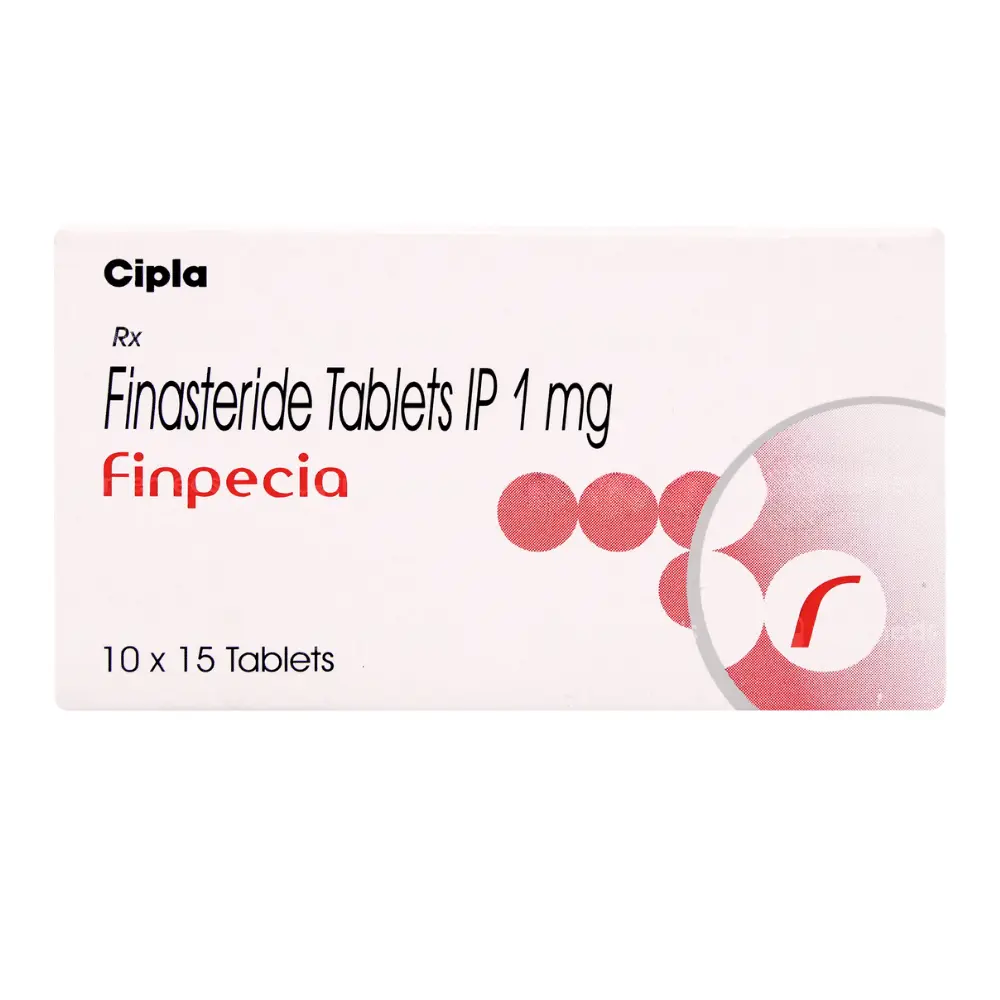
Finpecia 1mg is an oral prescription medication used to manage androgenetic alopecia, commonly known as male pattern hair loss or male pattern baldness.
Manufactured by Cipla Ltd., each film-coated tablet contains 1 mg of Finasteride, an active pharmaceutical compound belonging to the class of medications known as Type II 5-alpha reductase inhibitors.
Finpecia 1mg is a globally recognized generic alternative to brand-name Propecia. It is clinically formulated to halt progressive hairline recession, reduce crown thinning, and promote natural hair regrowth by directly addressing the primary hormonal cause of genetic hair loss in adult men.
Important Medical Notice
Finpecia 1mg is a prescription-only medication formulated exclusively for adult men. This guide is for educational purposes only and does not replace professional consultation with a licensed dermatologist, trichologist, or general physician.
Always seek personalized medical advice before starting, altering, or stopping any hair preservation therapy.
How Finpecia 1mg Works: The DHT Connection
Male pattern baldness is primarily driven by genetic sensitivity to Dihydrotestosterone (DHT), a potent androgenic hormone synthesized from testosterone.
Finasteride targets the biological mechanism behind follicular miniaturization:
-
Enzymatic Conversion: In the scalp, prostate, and liver, the enzyme Type II 5-alpha reductase converts circulating testosterone into DHT.
-
Follicular Miniaturization: In genetically predisposed men, DHT binds to androgen receptors located in hair follicles on the scalp (primarily along the hairline, temples, and crown). This causes the follicles to shrink, shorten their active growth phase (anagen), and produce progressively thinner, shorter hair fibers until the follicle becomes dormant.
-
Selective Enzyme Inhibition: Finasteride selectively binds to and inhibits the Type II 5-alpha reductase enzyme.
-
Significant DHT Reduction: Daily administration of 1 mg Finasteride reduces serum and scalp DHT concentrations by approximately 60% to 70%.
-
Follicle Revival: By lowering DHT levels around the hair roots, Finpecia stops further miniaturization, restores normal growth cycles, and allows dormant follicles to produce thicker, healthier hair shafts.
-
Gender Specificity: Finpecia is indicated strictly for men. It is ineffective and clinically contraindicated in postmenopausal or premenopausal women experiencing female pattern thinning.
-
Continuous Therapy Requirement: Finasteride does not permanently alter your genetics. Consistent daily use is required to maintain DHT suppression and sustain hair regrowth.
Product Quick Summary
| Feature | Specification |
| Brand Name | Finpecia 1mg |
| Active Ingredient | Finasteride (1 mg per tablet) |
| Pharmacological Class | Type II 5-Alpha Reductase Inhibitor |
| Primary Indication | Androgenetic Alopecia (Male Pattern Hair Loss) |
| Manufacturer | Cipla Ltd. |
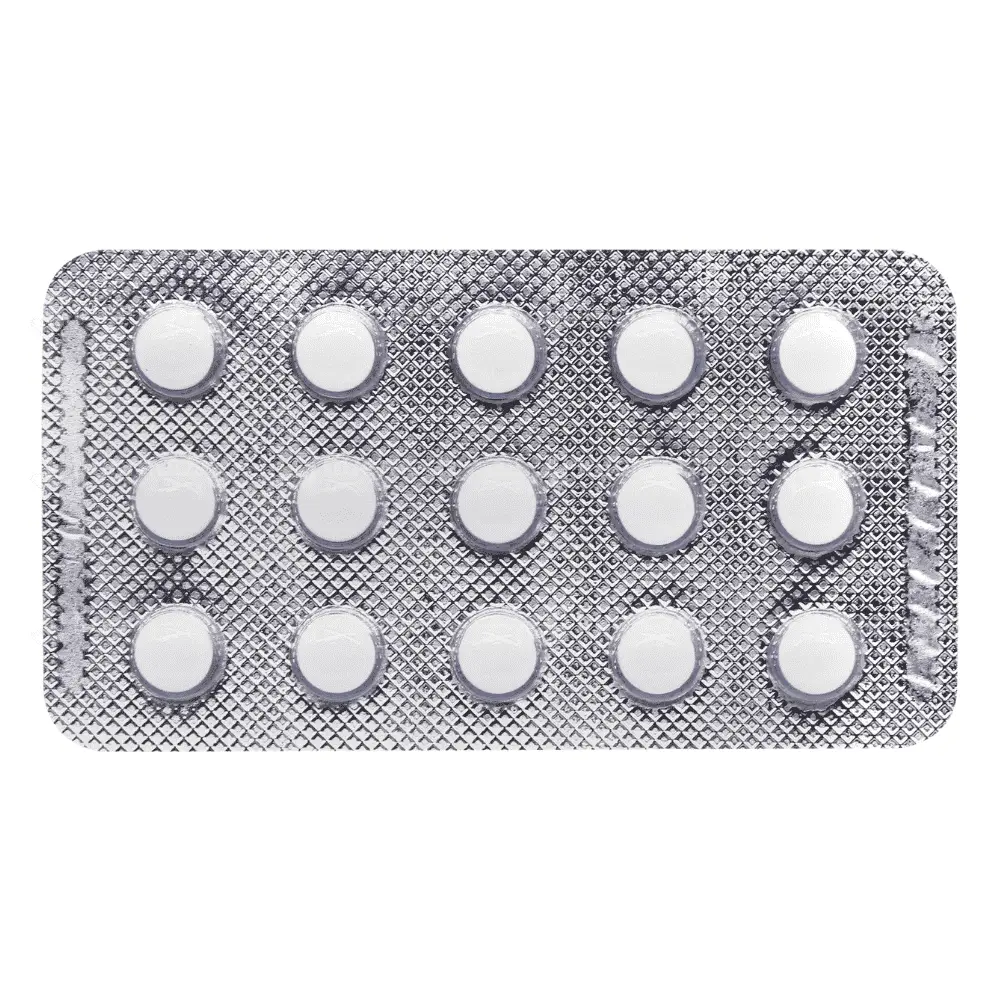
| Form Factor | Small, swallowable film-coated tablet (greenish tint) |
| Dosing Regimen | One tablet once daily (with or without food) |
| Expected Onset | 3 to 6 months for noticeable changes |
| Prescription Status | Prescription-only medicine |
Treatment Timeline & What to Expect
Hair follicles operate on an extended biological growth cycle. Changes do not happen overnight, and realistic expectations are essential for successful therapy:
-
Months 1 to 3 (The Adjustment Phase): During the initial weeks, some men experience a temporary increase in hair shedding (often called “Finasteride shedding”). This occurs as miniaturized, resting hairs are pushed out to make room for healthier, thicker growth cycles.
-
Months 3 to 6 (Stabilization Phase): Hair shedding typically subsides back to baseline or lower. The primary observable benefit at this stage is the stabilization of existing hair—halting progressive recession at the hairline and crown.
-
Months 6 to 12 (Regrowth Phase): Early cosmetic improvement, increased hair density, and thickening of fine, miniaturized hairs become visible, particularly over the crown and vertex of the scalp.
-
Year 1 and Beyond (Maintenance): Peak clinical results are typically achieved between 12 and 24 months. Continuing the daily regimen maintains these gains indefinitely.
How to Take Finpecia 1mg Safely
To ensure consistent therapeutic levels and achieve the best results, follow these usage guidelines:
-
How to Swallow It: Swallow one tablet whole with a glass of plain water. Do not crush, break, or chew the tablet.
-
Consistent Daily Schedule: Take one tablet once every 24 hours at approximately the same time each day (e.g., every morning or every evening before bed).
-
Food and Meals: Finpecia can be taken with or without food. Dietary intake does not affect the absorption or bioavailability of Finasteride.
-
Handling Missed Doses: If you forget a dose, take it as soon as you remember that day. If it is already close to your next scheduled dose, skip the missed tablet and resume your regular schedule. Never take two tablets at once to make up for a missed dose.
Potential Side Effects & Safety Profile
Finpecia 1mg is well-tolerated by the vast majority of men. Clinical studies demonstrate that adverse effects occur in a small percentage (typically under 2% to 4%) of patients and are frequently reversible upon discontinuation:
Uncommon Mild Side Effects
-
Mild decrease in libido (sexual drive)
-
Erectile difficulties or slight changes in firmness
-
Decreased volume of ejaculate
-
Mild breast tenderness or minor tissue enlargement (gynecomastia)
-
Skin rash or localized itching
Important Clinical Considerations
-
Mood Changes: Though rare, some patients have reported low mood, depressive symptoms, or anxiety. If you notice marked changes in mood or emotional well-being, report them to your prescribing physician immediately.
-
Reversibility: In most clinical trials, sexual side effects resolved spontaneously over time while continuing therapy or disappeared completely after discontinuing the medication.
Critical Contraindications & Warnings
Severe Pregnancy Warning: Teratogenic Risk
Finpecia 1mg must never be taken or handled by women who are pregnant or may become pregnant. Finasteride inhibits the conversion of testosterone to DHT, an essential androgen for the development of male fetal external genitalia. Exposure to Finasteride during pregnancy can cause severe congenital abnormalities (hypospadias) in a male fetus. Women should avoid handling broken or crushed Finpecia tablets.
-
Male Fertility: Men planning to conceive with their partner who experience fertility challenges should discuss Finasteride with their doctor, as small reductions in semen parameters have been documented in rare cases.
-
Prostate-Specific Antigen (PSA) Testing: Finasteride reduces serum PSA levels by roughly 50% in men. If undergoing prostate cancer screening via PSA blood tests, always inform your physician that you take Finpecia so the laboratory value can be properly adjusted (doubled).
-
Pediatric Restriction: Finpecia is contraindicated in pediatric patients and adolescents under 18 years of age.
-
Blood Donation Restrictions: Men taking Finasteride must not donate blood while on treatment and for at least one month following discontinuation to prevent the drug from being inadvertently transfused into a pregnant woman.
Storage and Handling
-
Store blister strips at controlled room temperature between 15°C and 30°C (59°F to 86°F).
-
Keep the medication in its original packaging, shielded from excessive heat, moisture, and direct sunlight.
-
Store safely out of the reach of children, domestic pets, and pregnant women.
-
Do not use tablets past the printed expiration date or if the blister packaging appears tampered with or damaged.
Frequently Asked Questions (FAQs)
What happens if I stop taking Finpecia 1mg?
If you discontinue Finpecia, systemic DHT levels return to their baseline within a few weeks. Over the following 6 to 12 months, any hair preserved or regrown as a result of the medication will gradually revert to its natural genetic thinning trajectory.
Can Finpecia 1mg be combined with Topical Minoxidil?
Yes. Finasteride and Minoxidil work through complementary biological pathways: Finasteride lowers follicle-damaging DHT internally, while Minoxidil acts locally as a potassium channel opener to increase scalp microcirculation and extend the anagen growth phase. Combining both is a standard, highly effective clinical strategy for male pattern baldness.
Does Finpecia work for a receding hairline?
Finasteride is most effective at preventing progression across the entire scalp and regrowing hair at the vertex (crown). While it can help stabilize and preserve a receding hairline, hair regrowth along the anterior temples is generally slower and more modest compared to the crown area.
Can Finpecia 1mg cause permanent side effects?
For the vast majority of men, side effects cease once the drug is stopped. A small number of post-marketing reports have described lingering sexual or emotional symptoms (sometimes termed Post-Finasteride Syndrome), though this remains an active subject of ongoing dermatological and urological research. Open communication with your doctor ensures safe, monitored use.
References
-
For Active Compound Properties & Mechanism (Finasteride):
National Center for Biotechnology Information (NCBI). (n.d.). PubChem Compound Summary for CID 57363: Finasteride. PubChem Database. https://pubchem.ncbi.nlm.nih.gov/compound/Finasteride
-
For Official Dosing Protocols & Monograph Data:
Drugs.com. (n.d.). Finasteride Monograph for Professionals: Actions, Dosing, and Safety Warnings. Drugs.com Guidelines Portal. https://www.drugs.com/monograph/finasteride.html
-
For Comprehensive Precautionary Data & Dermatological Applications:
Mayo Clinic. (n.d.). Finasteride (Oral Route) Proper Use, Precautions, and Adverse Reactions. Mayo Clinic Drugs and Supplements Guide. https://www.mayoclinic.org/drugs-supplements/finasteride-oral-route/description/drg-20063819
Reviews
There are no reviews yet.