

Medical Review Disclosure
This content has been reviewed for medical accuracy. Always consult a qualified healthcare professional before making any medical decisions. [Last reviewed: 2026-07-11]
Lung cancer continues to be one of the main reasons behind cancer mortality around the world. Fortunately, thanks to the emergence of new treatments, patients with particular genetic alterations can now receive proper care for their condition.
Among the most important developments is the availability of Tagrisso (osimertinib), which is used as a targeted therapy for some forms of NSCLC caused by EGFR mutation.
Nowadays, there is growing interest in generic Tagrisso due to higher levels of affordability.
Here, we will discuss what Tagrisso treatment is, why osimertinib lung cancer therapy is a revolutionary approach for treating lung cancer, and how Tagrisso 80 mg works on a molecular level.
What Is Tagrisso (Osimertinib)?
Tagrisso is the brand name for osimertinib, a third-generation EGFR tyrosine kinase inhibitor (TKI) used to treat specific forms of lung cancer.
It is mainly prescribed for:
- EGFR-mutated non-small cell lung cancer (NSCLC)
- Advanced or metastatic lung cancer
- Lung cancer with specific resistance mutations like T790M
Tagrisso is considered a form of targeted therapy, meaning it specifically attacks cancer cells with EGFR mutations while causing less damage to healthy cells compared to traditional chemotherapy.
Understanding EGFR in Lung Cancer
To understand how Tagrisso targeted therapy works, it’s important to understand EGFR.
What Is EGFR?
EGFR stands for Epidermal Growth Factor Receptor. It is a protein found on the surface of many cells and plays a role in:
- Cell growth
- Cell division
- Survival signaling
Normally, EGFR helps healthy cells grow and repair themselves.
What Happens in EGFR-Mutated Lung Cancer?
The EGFR gene may undergo mutations in certain types of lung cancer. This leads to an overexpression of the protein.
Consequently,
- Cells reproduce without regulation
- Tumors multiply faster
- Cells do not undergo apoptosis
This occurs frequently among:
- Non-smokers
- Asian individuals
- People who have adenocarcinoma type NSCLC
What Kinds of Lung Cancer Does Tagrisso Treat?
A type of lung cancer that has EGFR mutations might be eligible for treatment with Tagrisso. This drug could be taken alone by some individuals, prior to or following surgical removal of their tumor, or alongside other drugs to combat lung cancer.
How Do I Use Tagrisso for Lung Cancer?
Tagrisso is an orally ingested medication. It is recommended that you take your Tagrisso tablet one time per day, regardless of whether or not you are eating.
You should aim to take Tagrisso at the same time every day. Based on what other therapies you have received for your lung cancer prior to taking Tagrisso, you may need to take Tagrisso for up to three years or as long as is feasible.
In some cases, if you experience certain side effects, your medical provider may decrease your dosage, withhold dosages, or discontinue Tagrisso altogether.
How Tagrisso (Osimertinib) Works
Mechanism of Action of Tagrisso
Tagrisso works by specifically targeting and blocking the mutated EGFR protein.
When osimertinib binds to the abnormal EGFR receptor:
- It shuts down cancer growth signals
- Prevents cancer cells from multiplying
- Promotes cancer cell death (apoptosis)
This slows tumor growth and may even shrink tumors.
Simplified Explanation:
- EGFR mutation = “ON switch” for cancer growth
- Tagrisso = turns the switch OFF
How Well Does Tagrisso (Osimertinib) Work for Lung Cancer?
The FDA approval of Tagrisso was based on multiple clinical trials for EGFR mutated lung cancer under different circumstances.
Tagrisso was assessed in cases of lung cancer patients whose EGFR gene was mutated before. Those individuals had a history of surgery performed to remove the cancer from their body and, possibly, chemotherapy.
Tagrisso was tested in comparison with placebo treatment in clinical trials named ADAURA.
Placebo treatment refers to a substance used during experiments that contains no active substances; it is used only to deceive a patient about its effectiveness. Tagrisso proved to be superior to placebo in the treatment of EGFR-mutated lung cancer.
The study was done using 682 individuals who had either of the two medications. The research involved the calculation of the period of time between taking either of the drugs and the development of lung cancer.
It was named disease-free survival (DFS). Median DFS has not been met for Tagrisso, implying that more than 50 percent of participants remained alive without cancer compared to only 27.5 months of placebo.
This clinical trial also looked at overall survival (OS), which looked at how long people were alive after starting treatment with Tagrisso or a placebo. The OS was reported as a 5-year survival rate, meaning how many people were still alive 5 years after starting treatment. The 5-year OS in people who received Tagrisso was 88% compared to 78% for the people who received placebo.
This means that at 5 years, 88% of people who received Tagrisso were still alive.
Tagrisso was studied in people who had EGFR-mutated lung cancer who had not received chemotherapy for lung cancer that was metastatic. Tagrisso was compared against another kinase inhibitor targeting EGFR in a clinical trial called FLAURA. Tagrisso worked better in treating EGFR-mutated lung cancer than the other medicines (erlotinib or gefitinib, which are also kinase inhibitors).
The clinical trial included 556 people who used either Tagrisso or another kinase inhibitor treatment. They were followed to see how long it took for their lung cancer to progress, meaning that the cancer grew or spread. This measurement is called progression-free survival (PFS). The median PFS was 18.9 months for Tagrisso compared to 10.2 months for one of the other treatments.
This means that half of the patients who took Tagrisso did not have their cancer progress for at least 18.9 months.
The research paper also evaluated median overall survival, which is the time taken for half of the participants in the study who were administered with a particular drug to live from the start of using the drug. Those participants in the study who used Tagrisso had a median overall survival of 38.6 months, whereas those who used another treatment option had a median overall survival of 31.8 months.
In addition, Tagrisso has been evaluated in combination with other drugs such as pemetrexed and platinum chemotherapy on patients with EGFR mutated lung cancer who did not undergo any previous chemotherapy for advanced lung cancer.
The combination therapy involving Tagrisso, pemetrexed, and chemotherapy was compared to Tagrisso only in a study called FLAURA2. It was observed that the combination therapy involving Tagrisso had greater effectiveness in treating advanced EGFR-mutated lung cancer as compared to Tagrisso only.
A total of 557 patients taking the drug in combination or only form were considered. Median progression-free survival with Tagrisso in combination with other medicines is 25.5 months, while median progression-free survival with Tagrisso as monotherapy is 16.7 months.
Thus, half of the patients who received Tagrisso in combination with other medicines did not experience disease progression for more than 25.5 months.
Tagrisso was also evaluated in patients having EGFR-mutated lung cancer who received at least one line of prior treatment, which should have contained treatment with EGFR. In order to enter the clinical trial, all subjects had to possess the specific T790M mutation of EGFR and NSCLC that had metastasized in other parts of the body.
Tagrisso was compared to chemotherapy in the study known as AURA3. The treatment with Tagrisso in EGFR-mutated lung cancer that has received prior treatment was more efficient than treatment with chemotherapy. The results of the trial involved 419 patients using either Tagrisso or chemotherapy.
These patients were monitored in order to measure the progression-free survival (PFS) rate. The median PFS for patients receiving Tagrisso was 10.1 months, while it was 4.4 months for patients receiving chemotherapy. This means that half of the patients taking Tagrisso did not have progression of their disease for at least 10.1 months.
The study further considered the median overall survival period, which is the period of time that half of the individuals included in the research would survive from the time they started using the medication. The median overall survival period for Tagrisso was 26.8 months, while for chemotherapy, it was 22.5 months.
Why Tagrisso Is Different from Older EGFR Therapies
EGFR T790M Mutation
Tagrisso was specifically designed to:
- Target common EGFR mutations
- Overcome T790M resistance mutation
- Better penetrate the brain and central nervous system
This made osimertinib lung cancer treatment a major advancement in targeted therapy.
Common EGFR Mutations Treated by Tagrisso
EGFR Exon 19 Deletion
One of the most common EGFR mutations.
EGFR L858R Mutation
Another common activating mutation.
EGFR T790M Mutation
Associated with resistance to earlier therapies.
Generic Tagrisso: What Patients Should Know
What Is Generic Tagrisso?
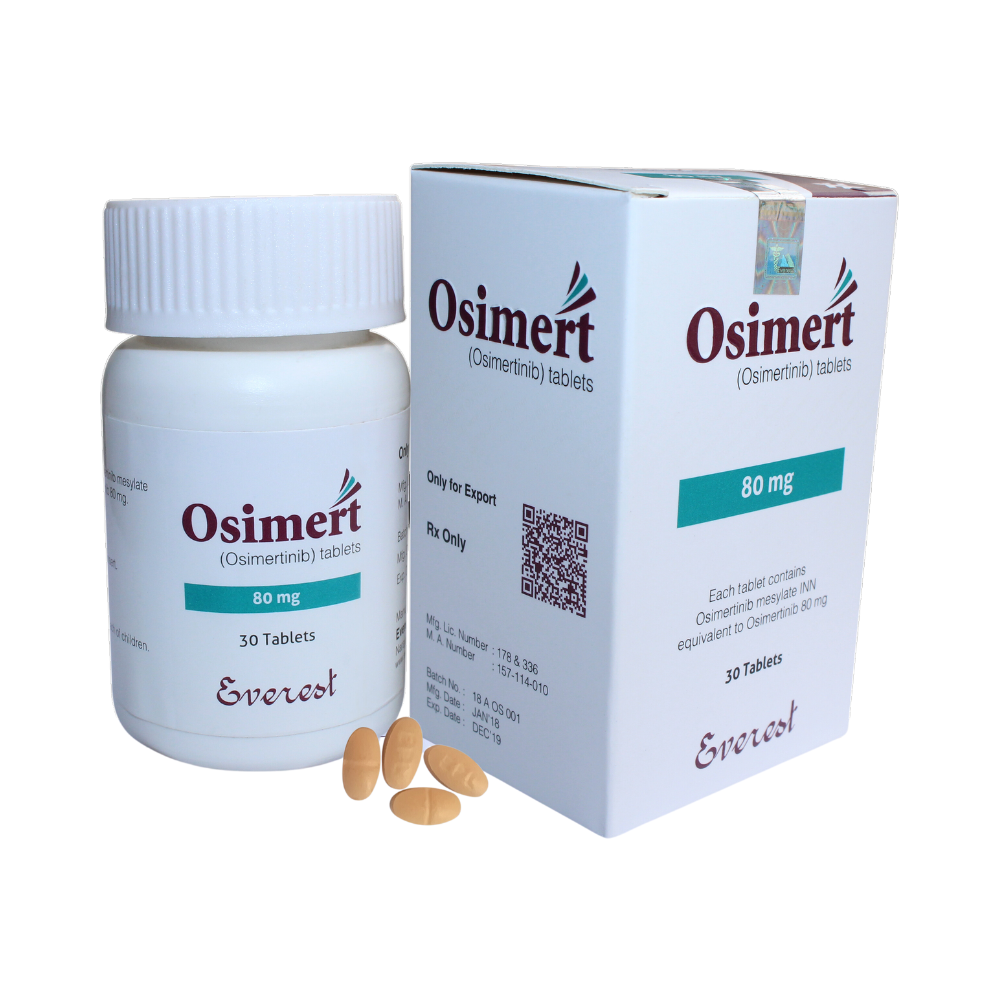
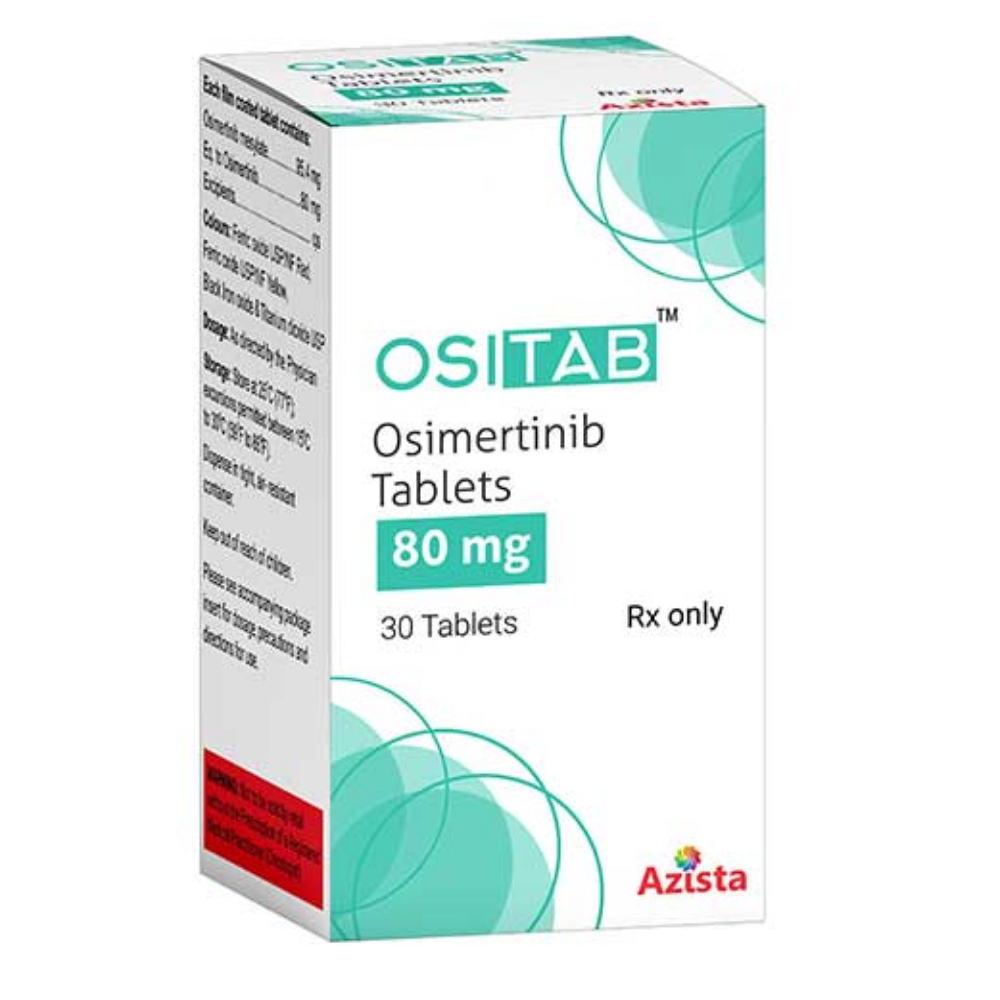
Generic Tagrisso contains the same active ingredient:
Osimertinib
It is designed to provide the same:
- Mechanism of action
- Effectiveness
- Safety profile
while potentially improving affordability and accessibility.
Generic Tagrisso vs Brand Tagrisso
Both contain:
- Osimertinib is the active drug
- Similar dosage strengths
- Similar therapeutic action
The most commonly prescribed strength is:
Clinical Benefits of Tagrisso Treatment
1. Improved Progression-Free Survival (PFS)
Clinical studies showed Tagrisso significantly delayed cancer progression compared to older EGFR inhibitors.
FLAURA Trial Results:
- Median progression-free survival:
- Tagrisso: 18.9 months
- Older EGFR therapies: 10.2 months
This means patients receiving Tagrisso lived longer before cancer worsened.
2. Better Overall Survival
Patients taking Tagrisso also demonstrated improved overall survival.
Clinical Findings:
- Median overall survival:
- Tagrisso: 38.6 months
- Comparator therapies: 31.8 months
3. Effective Brain Metastasis Control
One major advantage of osimertinib is its ability to cross the blood-brain barrier.
This allows it to:
- Treat brain metastases
- Reduce CNS progression risk
This is especially important because EGFR-mutated lung cancer commonly spreads to the brain.
Tagrisso as Adjuvant Therapy After Surgery
ADAURA Trial
Tagrisso is also used after surgery in early-stage lung cancer to reduce recurrence risk.
Key Findings:
- 5-year survival rate:
- Tagrisso: 88%
- Placebo: 78%
This established Tagrisso as an important adjuvant targeted therapy.
Common Side Effects of Tagrisso
Common Side Effects:
- Diarrhea
- Rash or dry skin
- Nail changes
- Fatigue
- Mouth sores
Serious Side Effects
Rare but serious complications include:
- Lung inflammation (interstitial lung disease)
- Heart rhythm problems
- Eye disorders
- Bone marrow suppression
Patients should report:
- Cough
- Shortness of breath
- Chest pain
- Vision changes
immediately to their healthcare provider.
What Methods Are Used to Track My Progress?
Tagrisso starts working immediately after you take your first dose. Your health care professional will typically perform a scan on how the medicine affects your cancer in six weeks' time since you started taking the medication.
Your health care professional can decide to either perform the scan before or after six weeks,
depending on whether it is the right decision for you.
Your health care professional will normally conduct regular tests, such as blood tests, in order to check how the drug works in your body. Blood tests include monitoring your white blood cell count, neutrophils, and platelet levels to ensure that your health care professional confirms that it is safe for you to keep taking Tagrisso.
In case you experience certain side effects like a cough and shortness of breath, more tests may be conducted to confirm that it is safe for you to take the drug.
How Can Side Effects Be Prevented and Managed?
The use of medications for the treatment of cancer causes several adverse effects; some of these side effects include those caused by Tagrisso.
Patients must report any side effects when using Tagrisso. This will enable them to understand whether their side effects are severe and get more information to help them cope with their side effects.
When taking Tagrisso, your doctor may prescribe additional drugs based on your side effects.
For instance, if diarrhea occurs during Tagrisso administration, your doctor will recommend drinking electrolyte-rich fluids, taking more fluids, and taking an anti-diarrheal drug.
When you are on Tagrisso combined with pemetrexed and platinum based chemotherapy, your healthcare professional is likely going to give you advice to take some medicines before receiving your infusion so that you could avoid the most frequent side effects that are nausea and vomiting.
They usually occur as a result of receiving chemotherapy infusions. Do not forget about following this advice. You can also ask your healthcare professional what other things could be done for avoiding and treating common side effects.
Side effects such as nausea, vomiting, and diarrhea can be avoided and treated if you eat bland food and have several smaller meals each day rather than big meals three times per day.
Depending on the kind of side effect that you experience while taking Tagrisso, there might be a need for the reduction of your dose of medicine, discontinuation of infusions, or even discontinuation of the use of Tagrisso.
The above changes will be based on the type of side effect that you get and its severity. In the event that your dose of the medicine is decreased, then you can rest assured that the medicine will continue to work effectively within your body.
What Other Important Considerations Should I Be Aware Of?
Tagrisso may damage your unborn baby. Your doctor will tell you about your contraceptive choices when you use Tagrisso.
In case you are capable of becoming pregnant, you should use effective contraception for 6 weeks following your last dose of Tagrisso.
Should you be a man or a person who was born a man, and your female partner is capable of becoming pregnant, then you should use effective contraception for 4 months following your last dose of Tagrisso.
Tagrisso has many severe adverse reactions. They can affect your lungs, heart, eyes, skin, and your blood and bone marrow.
It is crucial to let your healthcare provider know when you have adverse reactions. However, it is especially important when you have such reactions as a cough, difficulty breathing, rapid heartbeat, blurry vision, fever, or peeling and blistering skin.
Conclusion
Tagrisso (osimertinib) has revolutionized the treatment of EGFR-mutated non-small cell lung cancer by specifically targeting the molecular drivers of cancer growth. Its ability to overcome resistance mutations, control brain metastases, and improve survival makes it one of the most important advancements in modern lung cancer care.
The availability of generic Tagrisso may also improve accessibility for many patients worldwide. Whether used as early-stage adjuvant therapy or for metastatic disease, Tagrisso 80 mg continues to play a central role in precision oncology.
References
- WebMD – How Does Tagrisso Work for Lung Cancer?
https://www.webmd.com/lung-cancer/tagrisso-non-small-cell-lung-cancer
Medical Disclaimer
This content is for informational purposes only and does not replace professional medical advice, diagnosis, or treatment. Always consult a qualified healthcare provider before starting or changing any cancer treatment.
Renu Meena
Last reviewed: 2026-07-11