Description
What are Ciplar 20 Mg Tablets?
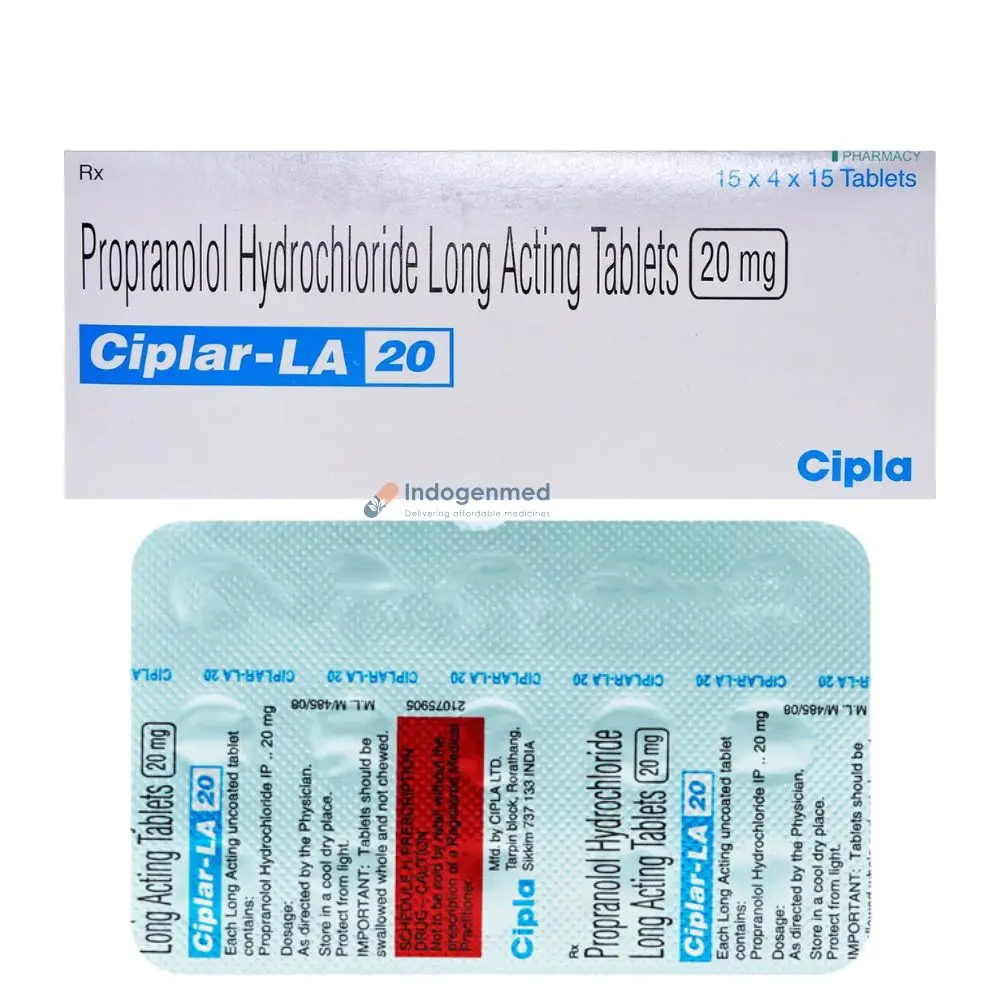
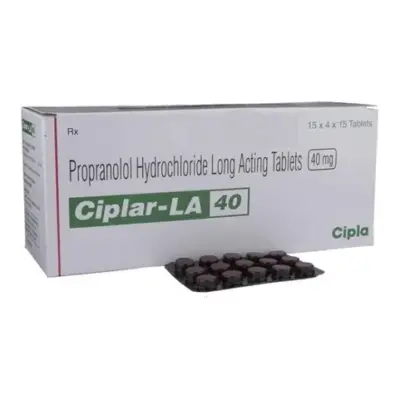
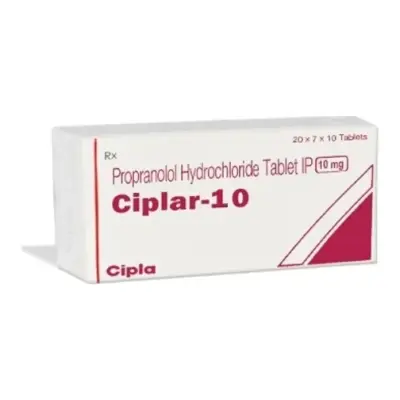
Ciplar 20 Mg Tablets contain Propranolol 20 mg, a non-selective beta-adrenoceptor blocker (beta-blocker) used in the management of a wide range of cardiovascular and non-cardiovascular conditions. Propranolol was one of the first beta-blockers introduced into clinical practice and remains among the most widely prescribed medicines in its class due to its proven efficacy across multiple indications, from hypertension and angina to migraine prevention, essential tremor, and anxiety.
Ciplar 20 Mg Tablets are manufactured by Cipla Ltd., one of India’s most recognised global pharmaceutical companies with a long history of producing high-quality, internationally regulated medicines. Each strip contains 10 tablets.
Prescription only (Rx). Use Ciplar 20 Mg only under a doctor’s supervision. Do not adjust your dose or stop taking this medicine without medical advice — abrupt withdrawal can trigger serious rebound effects including worsening angina or dangerous changes in heart rhythm.
Composition
| Component | Detail |
|---|---|
| Active ingredient | Propranolol hydrochloride 20 mg |
| Formulation type | Immediate-release oral tablet |
| Pack size | 10 tablets per strip |
| Manufacturer | Cipla Ltd., India |
| Medicine type | Generic (Rx — prescription required) |
About Cipla Ltd.
Cipla Ltd. is one of India’s largest and most internationally recognised pharmaceutical companies, founded in 1935 in Mumbai. With manufacturing facilities that have received approvals from the US FDA, the UK MHRA, the EU, and the WHO, Cipla supplies medicines to more than 80 countries. The company is listed on the BSE and NSE and is widely known for its commitment to making essential medicines accessible globally.
How Propranolol Works
Propranolol is a non-selective beta-adrenoceptor antagonist (beta-blocker). It competes with adrenaline (epinephrine) and noradrenaline (norepinephrine) for binding to both beta-1 and beta-2 adrenergic receptors, blocking their stimulatory effects.
Beta-1 Receptor Blockade (Heart)
Beta-1 receptors are concentrated in the heart. By blocking them, propranolol reduces heart rate (negative chronotropy), decreases the force of each heartbeat (negative inotropy), and slows conduction through the AV node. These effects collectively lower blood pressure, reduce myocardial oxygen demand (important in angina), and control abnormal heart rhythms.
Beta-2 Receptor Blockade (Airways and Blood Vessels)
Beta-2 receptors are found in airway smooth muscle and peripheral blood vessels. Propranolol’s non-selective blockade of beta-2 receptors means it can cause airway narrowing (bronchoconstriction) — which is why it is contraindicated in asthma — and can increase peripheral vascular resistance in early treatment. This distinguishes propranolol from cardioselective beta-blockers such as atenolol or bisoprolol, which primarily target beta-1 receptors.
Lipophilicity and Central Effects
Propranolol is highly lipophilic (fat-soluble), allowing it to cross the blood-brain barrier more readily than many other beta-blockers. This central penetration is responsible for its effectiveness in migraine prophylaxis, essential tremor, and anxiety — conditions influenced by central adrenergic pathways — but also contributes to central nervous system side effects such as vivid dreams, fatigue, and, rarely, depression.
Antiarrhythmic Action
By slowing conduction through the AV node and reducing automaticity in the sinus node, propranolol can restore normal rhythm or control ventricular rate in a range of supraventricular and ventricular arrhythmias. This makes it one of the few medicines used across multiple arrhythmia types.
Indications: When Is Ciplar 20 Prescribed?
Doctors prescribe Ciplar 20 Mg Tablets for a broad range of conditions, always as part of an individualised treatment plan:
- Hypertension (high blood pressure): Reduces elevated blood pressure, lowering the risk of stroke, heart attack, and kidney disease. Often used in combination with other antihypertensives.
- Angina pectoris: Reduces the frequency and severity of stable angina episodes by lowering heart rate and myocardial oxygen demand.
- Cardiac arrhythmias: Controls ventricular rate in atrial fibrillation and flutter; used in supraventricular tachycardias, prevention of paroxysmal AF, and management of ventricular arrhythmias in selected patients.
- Post-myocardial infarction (post-MI): Started after a heart attack to reduce the risk of further cardiac death and reinfarction.
- Migraine prophylaxis: One of the first-line preventive medicines for frequent migraine — reduces the frequency and severity of attacks when taken regularly. Not used for acute migraine treatment.
- Essential tremor: Reduces the amplitude of tremor in essential tremor disorder, including tremor of the hands, head, and voice.
- Anxiety and performance anxiety: Controls the physical symptoms of anxiety (palpitations, rapid heartbeat, trembling, sweating) in situational anxiety and generalised anxiety disorder. Sometimes prescribed for specific performance anxiety (e.g., before public speaking).
- Thyrotoxicosis (overactive thyroid): Provides rapid symptomatic relief of palpitations, tremor, and agitation while awaiting the effects of antithyroid treatment. Also used in acute thyroid storm as an emergency measure.
- Hypertrophic obstructive cardiomyopathy (HOCM): Reduces outflow obstruction and improves symptoms.
- Phaeochromocytoma: Used alongside alpha-blockers (never alone) to manage the cardiovascular effects of this adrenal tumour.
The indication, dose, and duration of treatment will be tailored by your doctor to your specific diagnosis and clinical situation.
Dosage and Administration
Ciplar 20 Mg is an immediate-release tablet that is usually taken two to four times daily (depending on the indication) due to propranolol’s short plasma half-life of approximately 3–6 hours. It can be taken with or without food, but taking it consistently with respect to meals helps maintain predictable blood levels. Swallow whole with water.
Typical adult dosing ranges (doses are expressed as total daily dose and frequency):
| Indication | Typical Starting Dose | Usual Maintenance Dose | Frequency |
|---|---|---|---|
| Hypertension | 40 mg twice daily | 80–160 mg/day (max 320 mg/day) | Twice daily |
| Angina | 40 mg twice–three times daily | 80–240 mg/day | Two to three times daily |
| Arrhythmias | 10–40 mg three to four times daily | Adjusted by response and heart rate | Three to four times daily |
| Migraine prophylaxis | 40 mg twice daily | 80–160 mg/day | Twice daily |
| Essential tremor | 40 mg twice daily | 80–160 mg/day | Twice daily |
| Anxiety (situational) | 40 mg as a single dose before the event | 40–80 mg as needed (up to 40 mg three times daily for chronic anxiety) | As directed by doctor |
| Thyrotoxicosis (adjunctive) | 10–40 mg three to four times daily | Adjusted to control symptoms | Three to four times daily |
Note: Propranolol 20 mg tablets are commonly used as a unit dose for titration. Your doctor will specify the exact number of tablets per dose and the daily schedule for your condition.
Never stop Ciplar abruptly. Sudden withdrawal can trigger rebound angina, serious arrhythmias, or heart attack — particularly in patients with coronary artery disease. If stopping treatment is necessary, the dose should be tapered gradually over 1–2 weeks under medical supervision.
Special Populations
Renal Impairment
Propranolol is predominantly metabolised in the liver and only negligible amounts are excreted unchanged in urine; therefore, dose adjustment is generally not required for renal impairment. However, accumulation of active metabolites may occur in severe renal failure — use with monitoring and consider dose reduction.
Hepatic (Liver) Impairment
Propranolol undergoes extensive first-pass hepatic metabolism, with oral bioavailability of approximately 30% in healthy individuals. In liver disease (cirrhosis, hepatitis), first-pass metabolism is reduced and bioavailability increases substantially, raising blood levels and the risk of side effects. Dose reduction is required in moderate-to-severe hepatic impairment; use with caution.
Elderly Patients
Elderly patients may experience enhanced blood-pressure-lowering effects and are at increased risk of dizziness, falls, and bradycardia. Therapy should begin at the lowest appropriate dose with slow titration and regular monitoring of blood pressure and heart rate.
Paediatric Use
Propranolol is used in children for specific cardiac conditions (e.g., supraventricular tachyarrhythmias, haemangioma) under specialist supervision with weight-based dosing. Self-purchase or off-label paediatric use without specialist direction is not appropriate.
Pregnancy (Category C)
Propranolol crosses the placenta. Use during pregnancy — particularly near term — has been associated with intrauterine growth restriction (IUGR), neonatal bradycardia, hypoglycaemia, hypotension, and respiratory depression. It is used in pregnancy only when the benefit to the mother clearly outweighs these risks. Neonates of mothers taking propranolol at delivery should be monitored closely. Inform your doctor immediately if you are pregnant or planning to become pregnant.
Breastfeeding
Propranolol passes into breast milk, but concentrations are generally considered low. The decision to breastfeed while taking propranolol should be made with a doctor’s guidance, taking into account the clinical necessity of the medicine and the known effects on nursing infants.
Precautions and Warnings
- Asthma and reactive airway disease: Propranolol’s non-selective beta-2 blockade can provoke potentially life-threatening bronchospasm. It is absolutely contraindicated in patients with asthma or a history of asthma and in those with severe chronic obstructive pulmonary disease (COPD). Even a small dose can precipitate a severe attack in susceptible individuals.
- Bradycardia and AV block: Monitor heart rate during treatment. If resting pulse falls below 55 bpm, contact your doctor. Do not use in patients with second- or third-degree AV block or sick sinus syndrome (without a pacemaker).
- Diabetes mellitus: Propranolol may mask the tachycardia that signals hypoglycaemia; sweating (a non-adrenergic symptom) remains. Patients taking insulin or oral hypoglycaemics should monitor blood glucose more frequently, especially when starting treatment or changing doses.
- Peripheral vascular disease: May worsen symptoms of Raynaud’s phenomenon, claudication, or other peripheral arterial conditions due to peripheral vasoconstriction from unopposed alpha-adrenergic activity.
- Abrupt withdrawal: Never stop propranolol suddenly, especially in patients with coronary artery disease or angina. Taper over at least 1–2 weeks under medical supervision.
- Thyrotoxicosis: Propranolol masks the tachycardia of overactive thyroid. If propranolol is suddenly stopped in a patient with undiagnosed hyperthyroidism, a potentially fatal thyroid storm may be precipitated.
- CNS effects: Due to its lipophilicity, propranolol can cause fatigue, sleep disturbances, vivid dreams, and, rarely, depression. Patients with a history of depression should be monitored.
- Psoriasis: Beta-blockers including propranolol may exacerbate psoriasis. Use with caution in patients with psoriasis and monitor for worsening skin changes.
- Surgery and anaesthesia: Inform your anaesthetist that you are taking propranolol. Beta-blockade potentiates the cardiovascular effects of many anaesthetic agents. In general, propranolol should not be stopped abruptly before surgery.
- Phaeochromocytoma: Must be used only after adequate alpha-adrenergic blockade. Using propranolol alone (without alpha-blockade) in phaeochromocytoma can cause severe paradoxical hypertension due to unopposed alpha stimulation.
Contraindications
Ciplar 20 Mg Tablets must not be used in patients with:
- Known hypersensitivity to propranolol or any excipient in the formulation
- Bronchial asthma or a history of asthma
- Severe reactive airway disease / severe COPD
- Cardiogenic shock
- Uncontrolled heart failure (decompensated)
- Second- or third-degree atrioventricular (AV) block (without a functioning pacemaker)
- Sick sinus syndrome (without a functioning pacemaker)
- Prinzmetal’s (variant) angina (vasospastic angina) — non-selective beta-blockade may increase frequency and duration of episodes
- Severe bradycardia (heart rate <50 bpm)
- Untreated phaeochromocytoma
- Metabolic acidosis
- Severe peripheral arterial disease
Side Effects
Like all medicines, propranolol can cause side effects, though not all people experience them.
Common Side Effects (may affect up to 1 in 10 people)
- Fatigue and tiredness (one of the most frequently reported effects)
- Cold hands and feet (due to peripheral vasoconstriction)
- Slow heart rate (bradycardia)
- Dizziness or light-headedness, especially on standing
- Sleep disturbances — difficulty sleeping, vivid or unusual dreams
- Nausea, stomach discomfort, or diarrhoea
- Headache
Less Common Side Effects (may affect up to 1 in 100 people)
- Low blood pressure (hypotension), including orthostatic hypotension
- Worsening of heart failure symptoms (breathlessness, ankle swelling)
- Dry eyes or visual disturbances (relevant for contact lens wearers)
- Mood changes or depression
- Memory or concentration difficulties
- Impotence or reduced libido
- Skin rash, psoriasis-like skin changes, or worsening of existing psoriasis
Rare but Serious — Seek Immediate Medical Help
- Severe bronchospasm or acute breathlessness (wheezing) — medical emergency
- Severe bradycardia or high-degree AV block
- Severe allergic reaction (anaphylaxis) — rash, swelling of face, lips, tongue or throat, difficulty breathing
- Severe skin reactions (erythema multiforme, Stevens-Johnson syndrome)
- Thrombocytopenia (unusual bruising or bleeding)
Report any unexpected or worsening symptoms to your doctor or pharmacist promptly.
Drug Interactions
Always tell your doctor and pharmacist about all medicines you are taking — including those bought without a prescription, vitamins, and herbal supplements — before starting Ciplar 20 Mg. Important interactions include:
- Calcium channel blockers (verapamil, diltiazem): Combining with propranolol greatly increases the risk of severe bradycardia, AV block, hypotension, and heart failure. Intravenous verapamil or diltiazem is contraindicated in patients taking propranolol. Oral use requires specialist supervision and close monitoring.
- Digoxin: Both medicines slow the heart. Combination can cause excessive bradycardia or AV block; digoxin levels and heart rate must be monitored closely.
- Antidiabetic medicines (insulin, metformin, sulfonylureas): Propranolol can enhance blood-glucose-lowering effects and mask the tachycardia that alerts patients to hypoglycaemia. More frequent blood glucose monitoring is essential.
- Clonidine: Propranolol must be withdrawn several days before gradually stopping clonidine to prevent dangerous rebound hypertension.
- Warfarin: Propranolol may increase warfarin plasma levels; INR should be monitored more closely when propranolol is started or stopped.
- Cimetidine: Inhibits propranolol metabolism, increasing propranolol plasma levels and the risk of side effects. Monitor and consider dose reduction.
- Rifampicin: A strong CYP inducer that significantly reduces propranolol levels, potentially reducing its therapeutic effect.
- NSAIDs (ibuprofen, naproxen): Regular use can attenuate the antihypertensive effect of propranolol. Paracetamol is a safer analgesic choice for most patients on propranolol.
- Lidocaine (lignocaine): Propranolol reduces hepatic clearance of lidocaine, potentially increasing lidocaine toxicity. Monitor closely if both are needed (e.g., during certain procedures).
- MAOIs (monoamine oxidase inhibitors): Concurrent use is generally contraindicated due to unpredictable blood pressure effects.
- Antipsychotics and antidepressants (e.g., thioridazine, chlorpromazine, fluoxetine): Additive cardiovascular effects and potential mutual pharmacokinetic interactions; monitor closely.
- Alcohol: May enhance the blood-pressure-lowering effect and increase CNS effects; advise patients to exercise caution.
Storage Instructions
- Store below 30°C (86°F) in a cool, dry place away from heat and humidity.
- Protect from light. Do not store in a bathroom or near a kitchen sink.
- Keep in the original strip until use.
- Keep out of the sight and reach of children.
- Do not use after the expiry date printed on the strip or outer carton.
- Dispose of unused medicines safely — ask your pharmacist about local disposal procedures.
Related Products
Patients managing cardiovascular conditions alongside other health concerns may find the following products relevant:
- Cardivas CR 40 Mg Tablets (Carvedilol CR) — a next-generation dual alpha/beta-blocker with once-daily controlled-release dosing; particularly used in systolic heart failure and hypertension.
- Bigomet 500 Mg Tablets (Metformin) — first-line medicine for type 2 diabetes, which commonly coexists with hypertension and coronary artery disease.
- Ceebis 20 Mg Tablets (Tadalafil) — used in pulmonary arterial hypertension in eligible patients; note potential interactions with antihypertensives.
Frequently Asked Questions (FAQs)
1. Can Ciplar 20 Mg be used for migraine prevention?
Yes. Propranolol is one of the most evidence-based first-line preventive medicines for frequent or severe migraine. It is used as a preventive (prophylactic) treatment to reduce the frequency and intensity of attacks, and typically takes 4–8 weeks to show its full effect. It does not treat an acute migraine attack in progress — a different medicine (e.g., a triptan or an NSAID) is used for that. Your neurologist or doctor will determine whether propranolol is the right preventive option for your migraine pattern.
2. I take Ciplar for anxiety. Is that correct?
Yes — propranolol is prescribed for both situational anxiety (e.g., before a performance or exam) and chronic anxiety disorders to relieve the physical symptoms: racing heart, trembling, and sweating. It does not treat the psychological or cognitive aspects of anxiety. For situational anxiety, it is typically taken as a single dose 30–60 minutes before the triggering event; for ongoing anxiety, it is taken on a regular schedule as directed by your doctor or psychiatrist.
3. Is it safe to stop Ciplar if I feel the side effects are too uncomfortable?
No — you must not stop propranolol suddenly. Abrupt withdrawal — particularly in patients with coronary artery disease, angina, or arrhythmias — can trigger a rebound surge in sympathetic activity, causing worsening angina, dangerous heart rhythm disturbances, or in severe cases a heart attack. Contact your doctor to discuss any side effects you are experiencing; if stopping is medically appropriate, your doctor will prescribe a gradual taper schedule over 1–2 weeks.
4. How is Ciplar 20 Mg (propranolol) different from Cardivas CR (carvedilol)?
Both are beta-blockers used in heart conditions, but they have key differences. Propranolol (Ciplar) blocks both beta-1 and beta-2 receptors, requires multiple daily doses (immediate-release), crosses the blood-brain barrier (useful for migraine, tremor, anxiety), and has no vasodilating effect. Carvedilol (Cardivas CR) additionally blocks alpha-1 receptors, causing vasodilation, and is available in a once-daily controlled-release form; it has stronger clinical evidence in systolic heart failure. Your doctor will prescribe whichever molecule and formulation best matches your specific diagnosis and clinical situation.
5. I have type 2 diabetes and take insulin. Is Ciplar safe for me?
Propranolol can be used in patients with diabetes but requires extra vigilance. It may mask the most recognisable warning sign of low blood sugar — rapid heartbeat (tachycardia) — so hypoglycaemia can develop without the usual early warning. Sweating and hunger are usually preserved as warning signs. You should monitor your blood glucose more frequently, especially when starting propranolol or when changing doses. A cardioselective beta-blocker such as bisoprolol or atenolol may be considered as an alternative in patients with frequent hypoglycaemic episodes; discuss this with your doctor or cardiologist.
References
- National Health Service (NHS). Beta-blockers. Available at: https://www.nhs.uk/conditions/beta-blockers/ [Accessed November 2026].
- MedlinePlus (US National Library of Medicine). Propranolol. Available at: https://medlineplus.gov/druginfo/meds/a682052.html [Accessed November 2026].
- US Food and Drug Administration (FDA). Propranolol Hydrochloride Tablets — Prescribing Information. Available at: FDA Prescribing Information [Accessed November 2026].
- European Medicines Agency (EMA). Propranolol — Summary of Product Characteristics. Available at: https://www.ema.europa.eu/ [Accessed November 2026].
Disclaimer: This information is provided for educational purposes only. It does not replace professional medical advice, diagnosis, or treatment. Always consult your doctor, cardiologist, or pharmacist before starting, stopping, or changing any medicine. If you experience a medical emergency, contact emergency services immediately.

Reviews
There are no reviews yet.