
Medicine Type

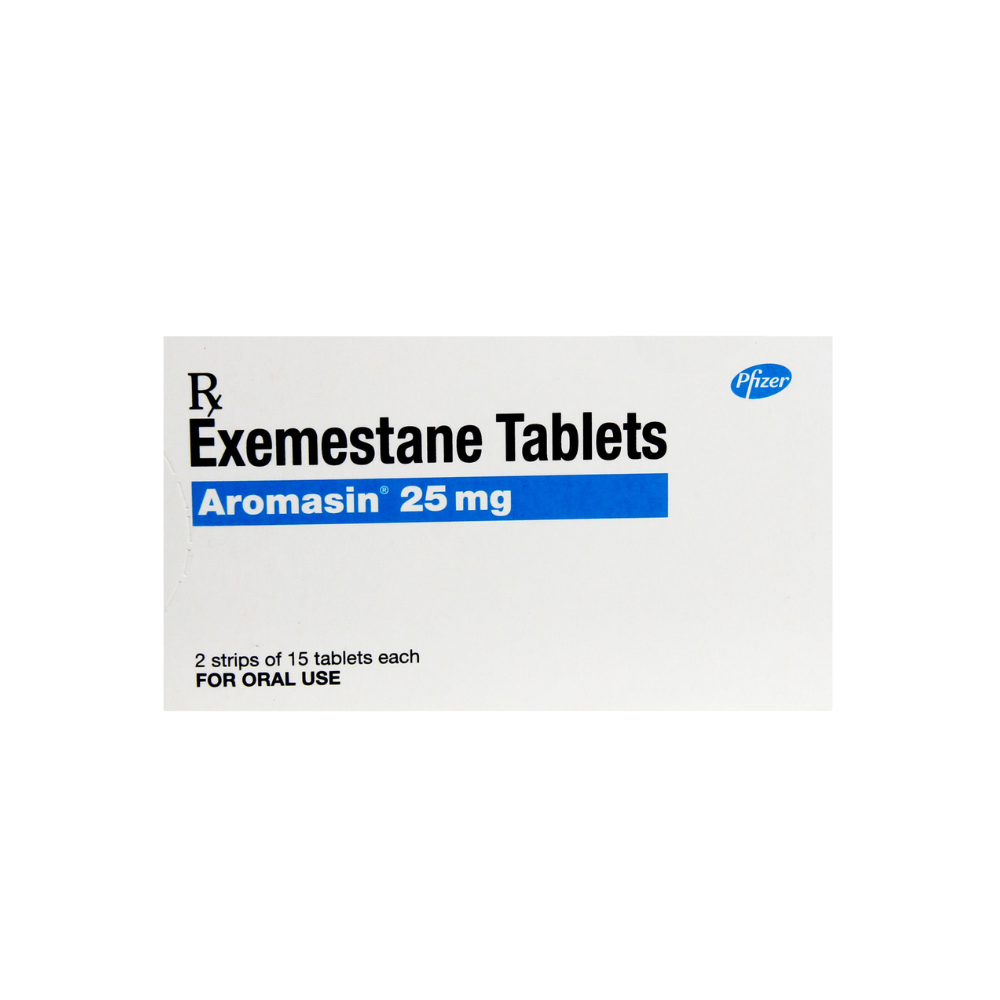
    Aromasin 25 Mg Tablets

    Price range: USD $ 285.00 through USD $ 796.00Box
    Select options This product has multiple variants. The options may be chosen on the product page

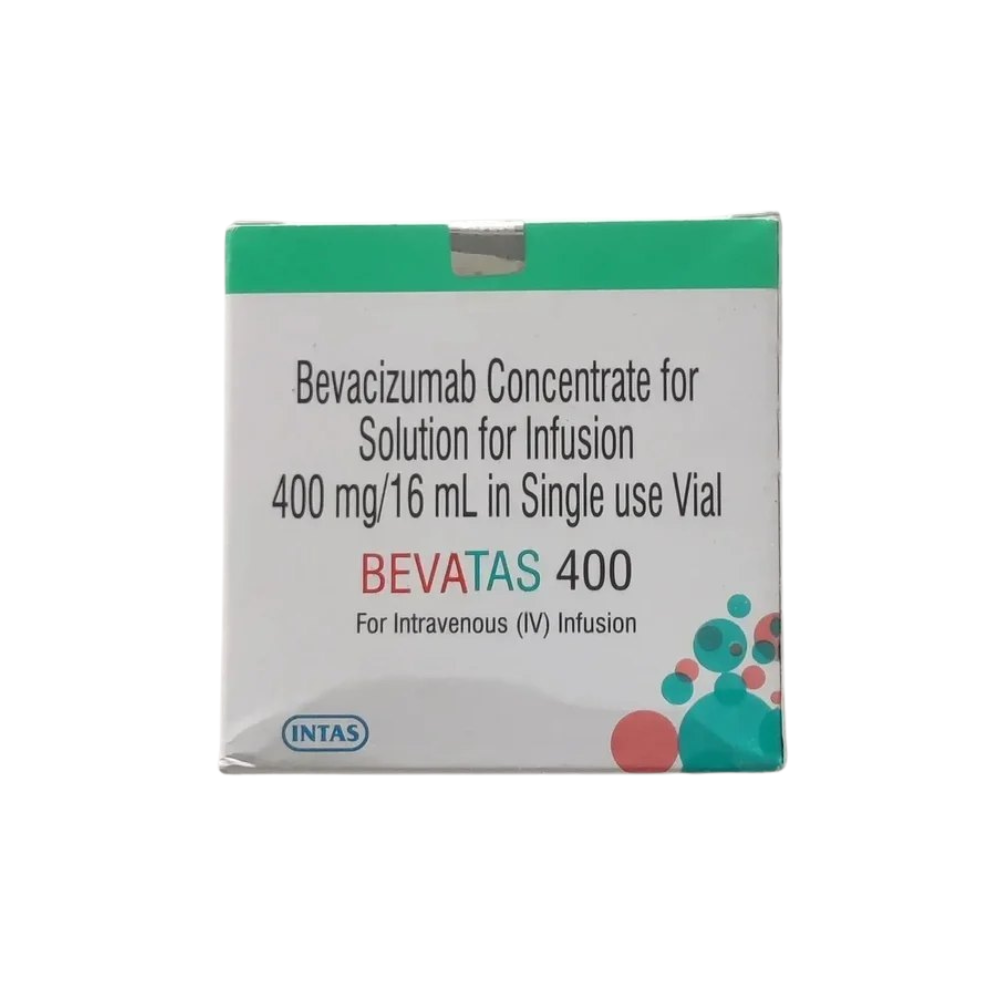
    Bevatas 400 Mg Injection

    Price range: USD $ 479.00 through USD $ 1,437.00
    Select options This product has multiple variants. The options may be chosen on the product page
    Recently Viewed Products

    Breast cancer is a disease in which abnormal cells in the breast grow out of control. It can start in the milk ducts, milk-producing glands, or other breast tissues. Breast cancer is more common in women, but it can also occur in men (rare). Early detection and the right treatment plan can improve outcomes.

    Breast cancer may stay in the breast, spread to nearby lymph nodes (especially in the underarm), or, in advanced cases, spread to other parts of the body. That’s why timely diagnosis and follow-up are important.

    Key Facts

    Usually seen in

    Adults (risk increases with age)

    Gender affected

    Mostly women (men can be affected rarely)

    Body parts involved

    Breast tissue, nearby lymph nodes (underarm), and sometimes other organs in advanced stages

    Conditions that can look similar

    Breast cysts, fibroadenoma, mastitis (infection), hormonal breast changes

    Common Symptoms

    Breast cancer may not cause pain in the early stages. Common signs include:

    • A new lump or thickening in the breast or underarm
    • Change in breast size, shape, or appearance
    • Skin changes (dimpling, puckering, thickened skin, redness)
    • Nipple changes (turning inward, pain, rash around nipple)
    • Nipple discharge (especially bloody discharge)
    • Swelling of part of the breast or underarm area

    When to get checked quickly

    • A new lump that stays for more than 2 weeks
    • Bloody nipple discharge
    • Skin dimpling or an orange-peel texture
    • Rapid swelling, redness, or warmth (needs urgent evaluation)

    Risk Factors

    Breast cancer can happen even without clear risk factors, but risk may increase with:

    • Increasing age
    • Family history of breast/ovarian cancer
    • Certain inherited gene changes (like BRCA, in some families)
    • Early periods or late menopause
    • Having no pregnancies or a first pregnancy at a later age
    • Obesity (especially after menopause)
    • Alcohol use and smoking
    • Past radiation exposure to the chest area
    • Long-term hormone therapy after menopause (in some cases)

    Types of Breast Cancer

    Ductal cancer

    Starts in the milk ducts (most common)

    Lobular cancer

    Starts in the milk-producing glands (lobules)

    Inflammatory breast cancer

    A less common but fast-growing type with redness and swelling

    Metastatic breast cancer

    Cancer that has spread to other parts of the body

    Diagnosis

    Doctors usually combine physical exam, imaging, and tissue testing.

    Tests commonly advised

    • Breast examination by a doctor
    • Mammogram (breast X-ray)
    • Breast ultrasound (often used for lumps)
    • Breast MRI (selected cases)
    • Biopsy (most important test to confirm cancer type)
    • Receptor testing (ER/PR/HER2) to guide treatment
    • Scans for staging if spread is suspected (based on symptoms and stage)

    Treatment

    Treatment depends on cancer type, stage, receptor status, and overall health.

    Surgery

    • Lump removal (lumpectomy) or breast removal (mastectomy)
    • Lymph node evaluation/removal in some cases

    Radiation therapy

    Often used after surgery, especially after lumpectomy, or in selected cases after mastectomy

    Chemotherapy

    May be used before surgery (to shrink the tumor) or after surgery (to reduce recurrence risk)

    Hormone therapy

    Used when the cancer is hormone-receptor positive (ER/PR positive)

    Targeted therapy

    Used in cancers with specific targets, such as HER2-positive disease

    Immunotherapy

    Used in selected cases, depending on cancer type and testing

    Supportive Care During Treatment

    Many patients need medicines to manage side effects, such as:

    • Nausea and vomiting control
    • Pain management
    • Mouth ulcer care
    • Infection prevention support (when advised)
    • Blood count support in selected cases
    • Nutrition and energy support

    Early Detection and Prevention Tips

    • Know what is normal for your breasts and report changes early
    • Attend screening if advised by your doctor based on age and risk
    • Maintain a healthy weight, stay active, and limit alcohol
    • Discuss family history with your doctor (genetic counseling/testing may be advised in some cases)

    When to Seek Urgent Medical Help

    Get medical help quickly if you have:

    • Severe breast redness/swelling with fever
    • Heavy bleeding from the nipple
    • Severe weakness, breathlessness, or chest pain
    • Any sudden worsening symptoms during cancer treatment (like high fever)

    Specialists to Consult

    • Oncologist (cancer specialist)
    • Breast surgeon / surgical oncologist
    • Radiation oncologist (if needed)
    • Pathologist and radiologist (for diagnosis support)

    If you want, tell me your website tone preference (more simple or more medical) and I’ll match it for all cancer category pages in the same style.