Description
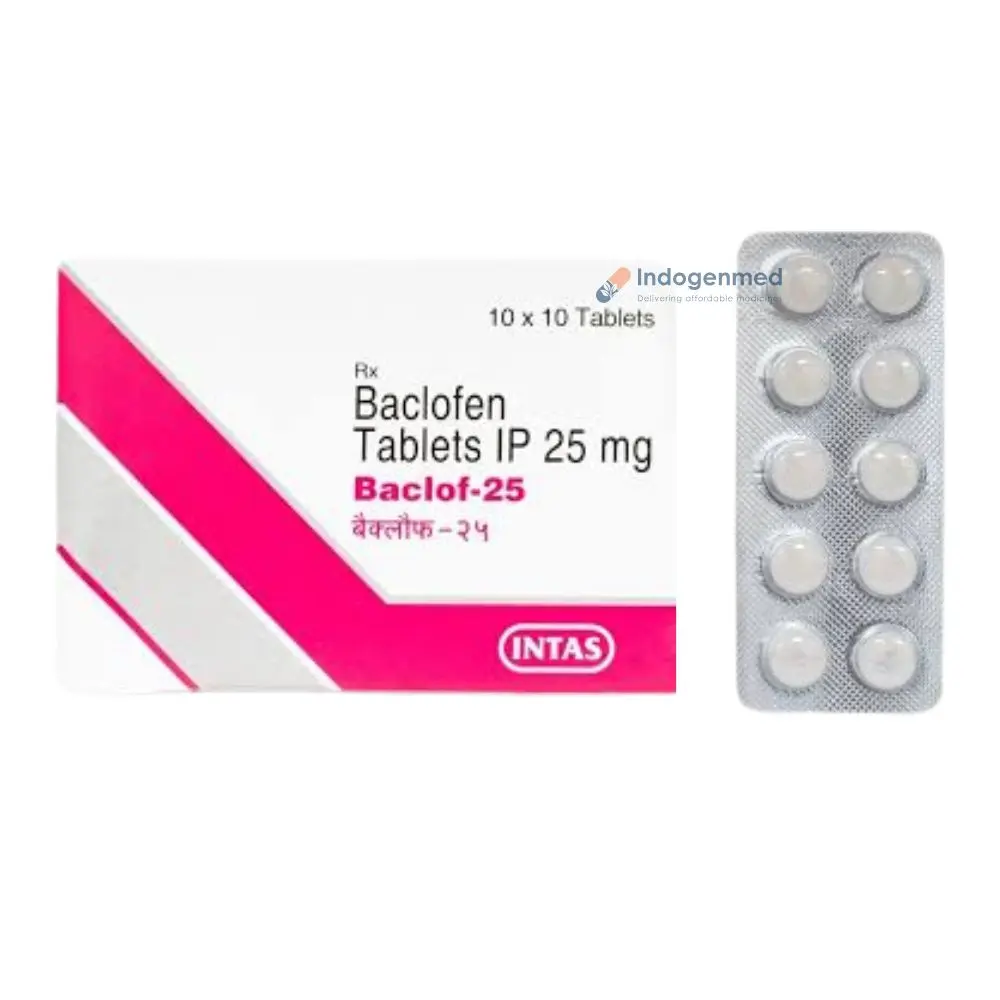
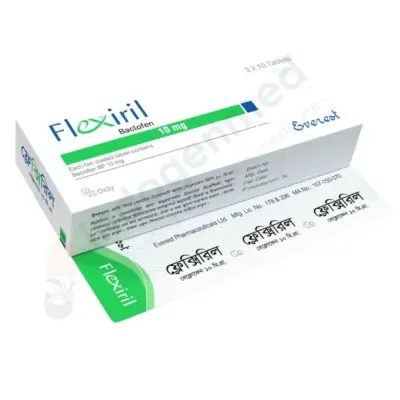
Baclof 25 Tablet: Baclofen 25 mg for Muscle Spasticity and Spasm
Baclof 25 Tablet is a centrally acting skeletal muscle relaxant containing baclofen 25 mg as the active ingredient. Baclofen is a gamma-aminobutyric acid (GABA) derivative and a selective agonist at GABA-B receptors in the spinal cord and brain. It is used principally to reduce muscle spasticity, spasms, and rigidity in conditions affecting the central nervous system, including multiple sclerosis, spinal cord injury, cerebral palsy, and stroke. The 25 mg strength represents the mid-range baclofen dose and is typically used in patients who have been titrated upward from the standard starting dose of 5 mg three times daily.
Baclofen was first synthesised in the 1960s and introduced clinically as a treatment for spasticity associated with multiple sclerosis. It has since become one of the most widely prescribed antispastic agents globally, with an established safety profile and broad clinical utility across spinal and supraspinal spasticity syndromes. At higher doses, it is also used intrathecally via implanted pump systems for severe, intractable spasticity that does not respond to oral therapy.
Composition
Each Baclof 25 Tablet contains:
- Baclofen 25 mg
Inactive ingredients typically include microcrystalline cellulose, lactose monohydrate, colloidal silicon dioxide, and magnesium stearate. The tablet is usually white and uncoated or film-coated, scored to allow splitting if dose titration is required.
How Baclof 25 Tablet Works
GABA-B Receptor Agonism
Baclofen is a structural analogue of the inhibitory neurotransmitter GABA, with a chlorophenyl substituent that confers selectivity for GABA-B receptors over GABA-A receptors. GABA-B receptors are metabotropic (G-protein coupled) receptors distributed throughout the central nervous system, with particularly high concentrations in the dorsal horn of the spinal cord, brainstem, and cerebral cortex.
Activation of GABA-B receptors at the presynaptic level inhibits calcium-dependent release of excitatory neurotransmitters (glutamate, aspartate, substance P) from primary afferent fibres entering the dorsal horn. At the postsynaptic level, baclofen activates inwardly rectifying potassium channels (GIRK channels), increasing potassium conductance and hyperpolarising the postsynaptic membrane — reducing the excitability of spinal interneurons and motor neurons. The combined presynaptic and postsynaptic inhibition suppresses the hyperactive spinal reflex arcs that underlie spasticity.
Antispastic and Antispasmodic Effects
Spasticity is characterised by velocity-dependent increased muscle tone, hyperreflexia, clonus, and muscle spasms — the result of loss of descending inhibitory control over spinal reflex circuits following upper motor neuron lesions. Baclofen restores inhibitory tone in the spinal cord by mimicking the action of GABA at GABA-B receptors, reducing the frequency and severity of painful muscle spasms, lowering muscle tone, and improving range of motion and functional mobility.
Unlike dantrolene (which acts peripherally at the sarcoplasmic reticulum) or benzodiazepines (which act at GABA-A receptors), baclofen’s selectivity for GABA-B receptors at spinal interneurons provides antispastic efficacy with less sedation than benzodiazepines, though sedation remains a clinically significant dose-dependent adverse effect.
Pharmacokinetics
Baclofen is rapidly and completely absorbed from the gastrointestinal tract following oral administration, with peak plasma concentrations reached within 30 minutes to 2 hours. Food may delay absorption slightly without affecting overall bioavailability, which approaches 70–85%. Baclofen is poorly protein-bound (approximately 30%), resulting in a relatively large apparent volume of distribution and good CNS penetration.
Baclofen is predominantly eliminated unchanged by the kidneys; approximately 70–80% of an oral dose is excreted as intact baclofen in the urine. The plasma elimination half-life is 3–4 hours, requiring dosing three to four times daily to maintain therapeutic plasma levels. Because renal clearance dominates, baclofen accumulates significantly in patients with renal impairment, with marked increases in both half-life and adverse effects. Hepatic metabolism is minor, and baclofen does not undergo significant first-pass metabolism.
Uses of Baclof 25 Tablet
- Multiple sclerosis (MS): Management of spasticity, painful flexor spasms, and clonus in patients with MS. Baclofen is a first-line oral antispastic agent in MS guidelines.
- Spinal cord injury: Reduction of spasticity and involuntary muscle spasms following traumatic or non-traumatic spinal cord lesions.
- Cerebral palsy: Improvement of muscle tone and function in children and adults with spastic cerebral palsy, particularly in combination with physiotherapy.
- Stroke and traumatic brain injury: Management of post-stroke or post-TBI spasticity affecting the upper and lower limbs.
- Spastic paraplegia: Hereditary or acquired spastic paraplegia presenting with lower limb stiffness and spasms.
- Other spinal pathologies: Spasticity associated with arachnoiditis, spinal tumours, amyotrophic lateral sclerosis (ALS/MND), and other upper motor neuron conditions.
- Musculoskeletal pain with reflex spasm: Although primarily indicated for central spasticity, baclofen is sometimes used off-label for painful skeletal muscle spasm of spinal origin in conditions such as lower back pain and spinal stenosis.
- Alcohol use disorder (off-label): At higher doses, baclofen has been investigated and used (primarily in France and some European centres) for reduction of alcohol craving and consumption; this indication is not universally approved and requires specialist supervision.
Dosage and Administration
Adults — initial dose: 5 mg three times daily. Increase gradually by 5 mg per dose every 3 days until the desired clinical effect is achieved. The usual effective dose is 30–75 mg/day in divided doses.
Maintenance dose: 25 mg three times daily (75 mg/day) is a common therapeutic dose. Maximum recommended dose is 100 mg/day in four divided doses, under close medical supervision. The 25 mg tablet is used once the patient has been titrated through lower doses.
Elderly: Start at the lowest dose (5 mg twice or three times daily) and titrate cautiously. Elderly patients are at higher risk of sedation, confusion, and falls.
Renal impairment: Significant dose reduction is required; use with extreme caution and close monitoring. In severe renal failure (eGFR below 15 mL/min), baclofen should generally be avoided or used only under specialist supervision at very low doses.
Children: Doses are based on weight; specialist paediatric neurology guidance is recommended.
Tablets should be taken with food or milk to reduce gastrointestinal upset. The dose should never be stopped abruptly — gradual tapering is essential to avoid withdrawal reactions (see Precautions).
Side Effects
CNS (Common and Dose-Dependent)
- Drowsiness and sedation — the most frequently reported adverse effect, occurring in up to 60% of patients; may diminish with time or dose reduction
- Dizziness and lightheadedness
- Fatigue and weakness
- Confusion and cognitive impairment, particularly in the elderly
- Headache
- Insomnia (paradoxical, particularly at night)
- Depression and mood disturbances
Gastrointestinal
- Nausea and vomiting
- Constipation or diarrhoea
- Dry mouth
Musculoskeletal
- Muscle hypotonia — excessive reduction in tone, potentially impairing ambulation in patients who rely on spasticity for functional stability
- Ataxia
Cardiovascular and Other
- Hypotension
- Urinary frequency, retention, or incontinence
- Visual disturbances and diplopia
Serious — Withdrawal Syndrome
Abrupt discontinuation of baclofen, even at modest doses, can precipitate a potentially life-threatening withdrawal syndrome characterised by severe rebound spasticity, hallucinations, seizures, hyperthermia, rhabdomyolysis, and multi-organ failure. All dose reductions must be gradual over weeks, and the drug must never be stopped without medical supervision.
Precautions and Warnings
- Abrupt withdrawal: Never stop baclofen suddenly. Taper slowly over at least 1–2 weeks — longer for high doses or long-term use. Warn patients emphatically about this risk.
- Renal impairment: Dose-reduce substantially in any degree of renal impairment; monitor closely for accumulation toxicity (excessive sedation, flaccidity, confusion).
- Epilepsy: Baclofen may lower seizure threshold and trigger seizures in susceptible patients; use with caution and monitor EEG if necessary.
- Psychiatric conditions: Use with caution in patients with psychosis, depression, or a history of substance use disorders. Baclofen has been misused recreationally at high doses.
- Elderly: Increased sensitivity to CNS adverse effects (sedation, confusion, falls); start low and titrate slowly.
- Respiratory compromise: Avoid or use with extreme caution in patients with respiratory insufficiency, as baclofen can suppress respiratory drive at higher doses.
- Pregnancy and lactation: Animal studies show foetal toxicity at high doses; use in pregnancy only if clearly necessary. Baclofen passes into breast milk; discontinue breastfeeding or use with caution.
- Driving and machinery: Sedation significantly impairs driving ability; patients should be warned not to drive until they know how baclofen affects them.
Drug Interactions
- CNS depressants (alcohol, benzodiazepines, opioids, sedating antihistamines, antidepressants): Additive CNS depression — increased sedation, respiratory depression, and risk of falls. Avoid concurrent use if possible; counsel patients to avoid alcohol.
- Antihypertensives: Baclofen may potentiate antihypertensive effects, increasing the risk of hypotension.
- Levodopa and dopaminergic agents: Concurrent use may increase the risk of hallucinations and mental confusion in Parkinson’s disease patients.
- Lithium: Concurrent use may exacerbate neurological toxicity; monitor carefully.
- Tricyclic antidepressants: May enhance the muscle-relaxant effect and increase hypotonia.
- NSAIDs (including naproxen): No direct pharmacokinetic interaction, but NSAIDs with renal effects may impair baclofen excretion in susceptible patients.
Contraindications
- Hypersensitivity to baclofen or any excipient
- Peptic ulceration (relative — baclofen may exacerbate gastric symptoms)
- Severe renal impairment where dose reduction cannot be safely managed
- Epilepsy not adequately controlled (relative)
Storage Instructions
- Store below 30°C in a cool, dry place
- Protect from light and moisture
- Keep in the original packaging
- Keep out of reach of children
- Do not use after the expiry date printed on the pack
Related Products
- Naprosyn 250 Mg Tablet — Naproxen 250mg for musculoskeletal pain often accompanying spasticity
- Mecofol Plus NF Capsule — Methylcobalamin + Folic Acid for neuropathy that may coexist with spastic conditions
- Suminat 100 Tablet — Sumatriptan 100mg for migraine headache, a common comorbidity in MS patients
- Pantop 40 Tablet — Pantoprazole 40mg for gastroprotection in patients on multiple CNS medications
- Hipres 50 Tablet — Atenolol 50mg; hypertension is common in spinal cord injury populations
References
- US Food and Drug Administration. Baclofen Tablets USP — Prescribing Information. Available at: https://www.accessdata.fda.gov/drugsatfda_docs/label/2011/017525s046lbl.pdf
- National Library of Medicine. Baclofen. MedlinePlus Drug Information. Available at: https://medlineplus.gov/druginfo/meds/a682530.html
- Mayo Clinic. Baclofen (Oral Route). Drug Information. Available at: https://www.mayoclinic.org/drugs-supplements/baclofen-oral-route/description/drg-20068069
- Electronic Medicines Compendium (EMC). Baclofen 10mg Tablets — Summary of Product Characteristics. Available at: https://www.medicines.org.uk/emc/product/5416
- National Library of Medicine. Baclofen. StatPearls. Available at: https://www.ncbi.nlm.nih.gov/books/NBK518940/
- National Library of Medicine. Spasticity Management. StatPearls. Available at: https://www.ncbi.nlm.nih.gov/books/NBK559210/




Reviews
There are no reviews yet.